What if the most powerful stories in the City of Light aren’t about art or romance, but are hidden in its quiet corners, waiting to be heard?
I’ll never forget the chill that ran down my spine standing behind Notre Dame. At the Deportation Memorial, the weight of the past felt incredibly real. It hit me then—this city holds profound stories from the Second World War in its very cobblestones.
When I first started looking into exploring this part of the city’s past, I was completely overwhelmed. The options seemed endless! From walking through the historic Le Marais district to river cruises passing key liberation sites, every option promised a unique perspective.
This guide is my personal attempt to help you navigate it all. I’ve walked the routes of the resistance and sought out hidden wartime gems. My goal is to help you connect with this crucial chapter of world history in a way that is both authentic and deeply respectful.
Whether you’re a history buff planning your first trip or a returning visitor wanting to dig deeper, I’ve got recommendations that go far beyond the typical tourist trail. I’ll share which experiences genuinely moved me and how to weave this meaningful exploration into your Paris adventure.
Key Takeaways
- Paris holds deep, often overlooked stories from the Second World War beyond its famous landmarks.
- Personal, experience-based recommendations can help you navigate the many available options.
- The goal is to create an authentic and respectful connection to this significant history.
- This guide focuses on meaningful sites that go beyond standard tourist itineraries.
- It’s possible to thoughtfully integrate this exploration into a broader visit to the city.
- Discovering this past can profoundly transform your understanding of Paris.
Introduction: Rediscovering Paris’ WWII Legacy
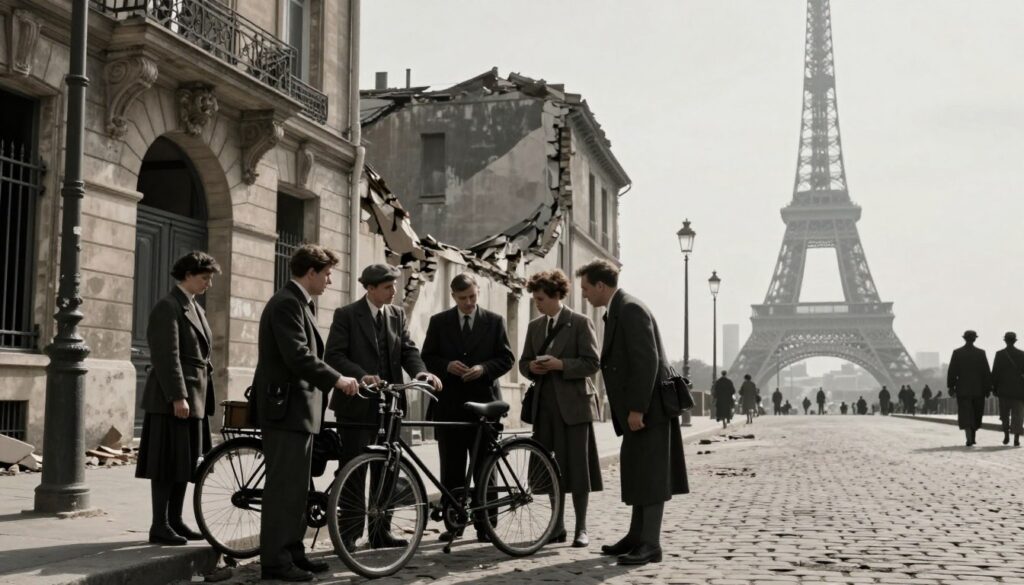
Walking through Paris today, it’s almost impossible to picture the city under occupation, yet that history is woven into its very fabric. The cheerful boulevards and bustling cafes hide stories of a profoundly different era.
I learned that Nazi forces entered the city on June 14, 1940, beginning over four years of darkness. This period during the second world war transformed Paris completely. The French government had fled to Vichy, while Charles de Gaulle’s Free France continued resisting from exile.
What strikes me most is how this city became a place of both collaboration and extraordinary courage. Daily acts of resistance happened alongside horrific persecution. American and French troops finally liberated Paris on August 25, 1944.
Understanding this context changed how I experience the city. Suddenly every street corner held deeper meaning. This legacy isn’t just about dates—it’s about real people whose stories and culture deserve to be remembered.
That connection to history is what I want to share with you. It transforms a visit from sightseeing to something much more meaningful.
Paris Through the Lens of WWII Occupation and Resistance
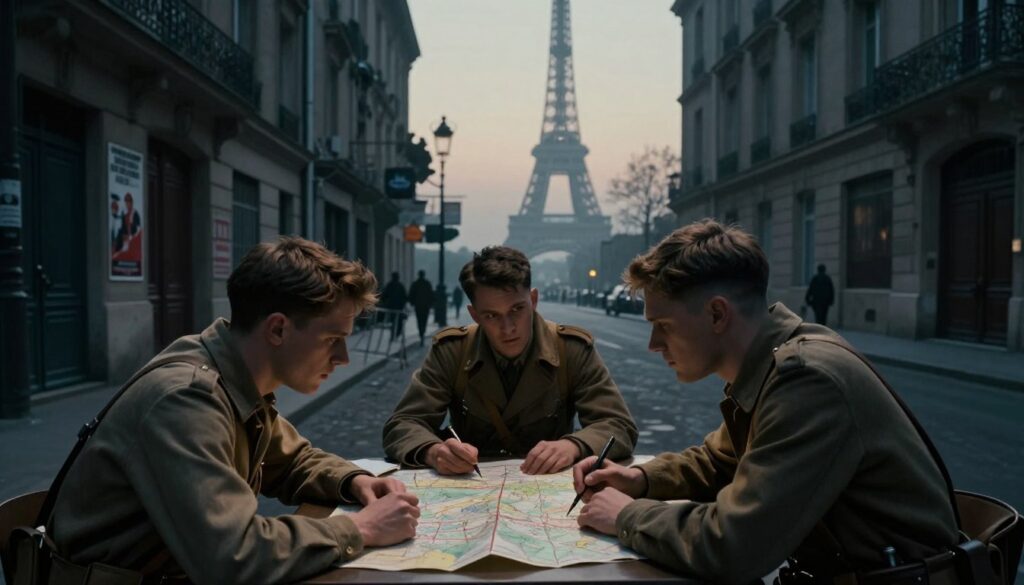
The real story of this period isn’t just about armies and politics—it’s about ordinary people making extraordinary choices. During the dark years of occupation, Paris became a city of stark contrasts. While Nazi forces controlled the streets, an incredible underground network was growing beneath them.
I was fascinated to learn how the french resistance evolved. It started with small acts of defiance—public demonstrations that showed solidarity. But as the war intensified, so did their methods. They moved to distributing forbidden materials, aiding Jewish families, espionage, and sabotage operations.
Life during the occupation was brutally difficult for citizens. Food rationing meant constant hunger. Blackouts literally darkened the City of Light. The threat of arrest hung over everyone, especially Jewish residents.
The persecution was horrific. The Vel’ d’Hiv Roundup in July 1942 saw French police arrest thousands of Jewish families. These innocent people were held in temporary camps before deportation to Auschwitz. Learning this history made my visits to memorial sites profoundly emotional.
What moves me most are the personal stories—the bookshop owner who refused to serve the Gestapo, the dancer who became a spy, families who hid their neighbors. This part of Paris’s history shows both incredible darkness and brilliant light. The french resistance represents that light—ordinary people performing extraordinary acts of resistance.
Understanding both sides gives you a complete picture. You’ll feel this duality at every memorial and museum. The courage of the resistance fighters continues to inspire me during each visit.
Key WWII Landmarks and Memorials in the City
What struck me most was how ordinary places became extraordinary witnesses to history during those dark years. Paris is filled with powerful sites that each offer a unique perspective. I’ve made it my mission to visit as many as possible.
Behind Notre Dame Cathedral sits the Deportation Memorial—one of the most moving sites I’ve encountered. It’s underground at Seine level, dark and disorienting. This memorial commemorates over 200,000 French citizens deported to camps.
Near the Eiffel Tower, the Vel d’Hiv Memorial Garden honors 4,115 deported children. Seeing their names on the wall was heartbreaking. In Le Marais, the Shoah Memorial serves as the main Holocaust memorial with 76,000 names.
Famous hotels played surprising roles. The Ritz on Place Vendôme was favored by Hermann Göring, while Le Meurice became German headquarters. At the Prefecture de Police opposite Notre Dame, you can still see battle scars.
| Memorial Site | Location | Significance | Emotional Impact |
|---|---|---|---|
| Deportation Memorial | Behind Notre Dame | 200,000+ deported citizens | Somber, reflective |
| Vel d’Hiv Garden | Near Eiffel Tower | 4,115 deported children | Heartbreaking, poignant |
| Shoah Memorial | Le Marais district | 76,000 Jewish victims | Educational, solemn |
| Liberation Viewpoint | De Gaulle statue | Triumphant liberation route | Hopeful, inspiring |
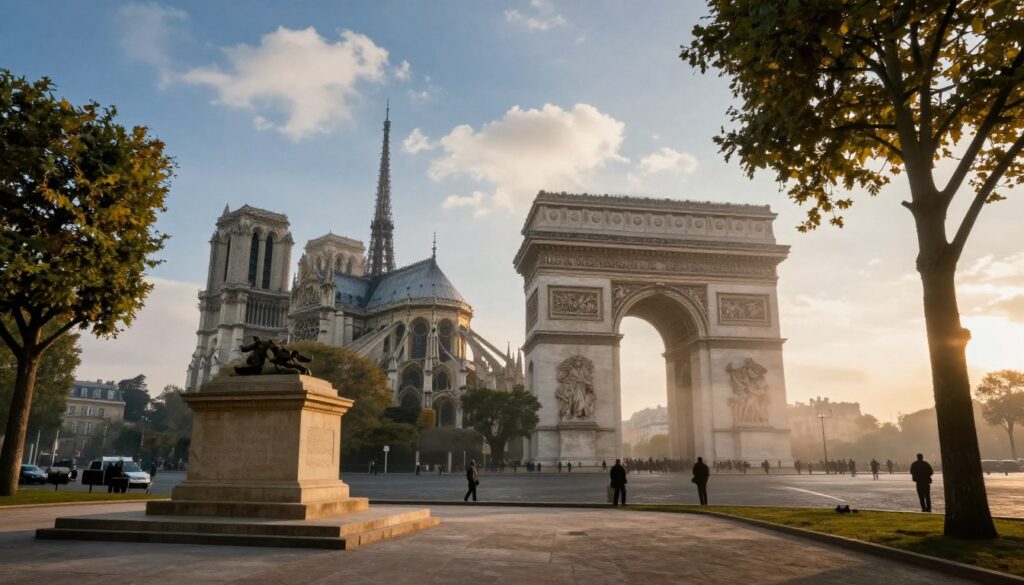
Standing at General de Gaulle’s statue offers a remarkable view stretching to the Arc de Triomphe. You can almost feel the emotion of liberation day. This perspective puts the entire story into context.
For a deeper exploration of these meaningful sites, check out this comprehensive guide to WWII sites in Paris. Each location tells a story worth hearing.
Discover the Best WWII Tours in Paris for an Authentic Experience
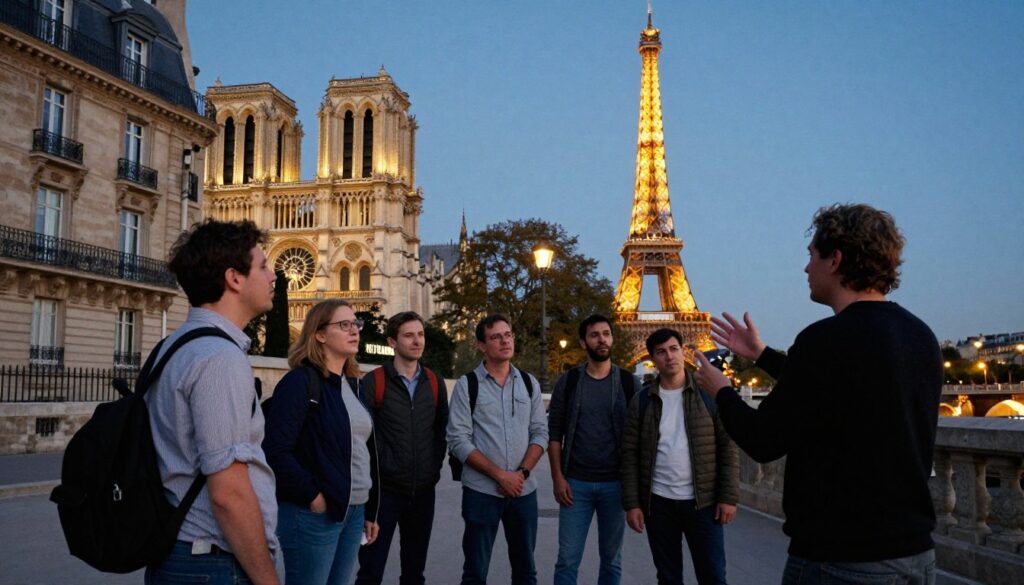
What surprised me most was discovering how different tour formats create completely different connections to history. After exploring countless options, I found that the most meaningful experiences combine expert guides, authentic sites, and enough time to really absorb what you’re seeing.
One comprehensive tour I discovered spans nine days, beginning with a Seine River cruise before heading to Normandy. This approach gives you the complete picture of occupation and liberation. It really helps connect the dots between Paris’s experience and the broader conflict.
For those with limited time, private half-day walking tour options offer an excellent introduction. They cover key areas like Le Marais and the Jewish Quarter in about three hours. Having an expert guided tour leader makes all the difference—they bring history to life with stories you’d never discover on your own.
I always recommend looking for tours led by specialists rather than general city guides. The depth of knowledge transforms your understanding. If your trip includes both Paris and Normandy, consider tours that connect these experiences.
Understanding Paris’s occupation makes visiting the D-Day beaches even more powerful. For American travelers, tours that explain the U.S. role alongside French resistance efforts provide important perspective on our shared history.
Guided Walking Tours: Immersive Cultural Journeys
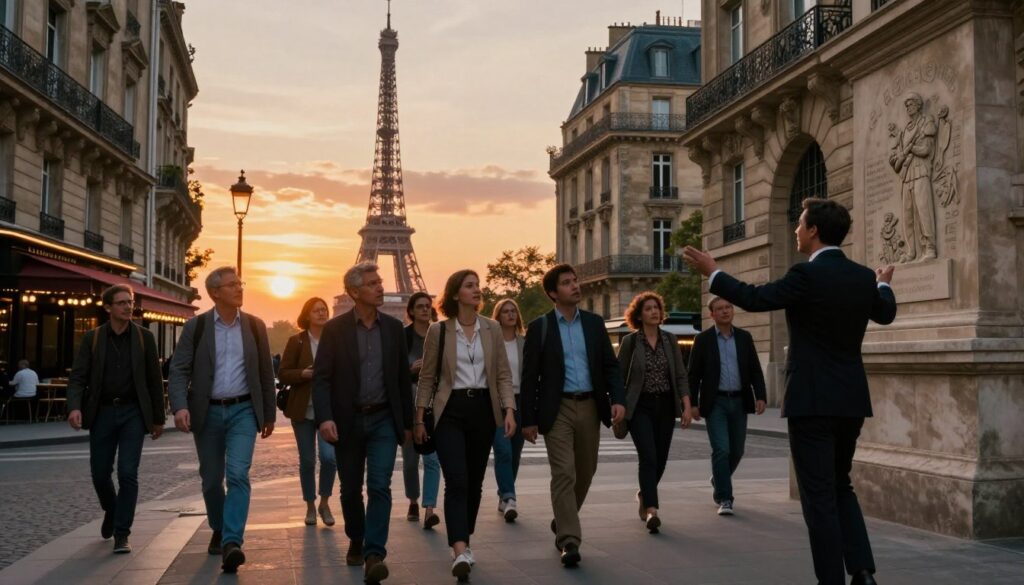
The moment I began my first walking tour of the city’s wartime history, I realized this was more than sightseeing—it was emotional archaeology. You’re literally tracing the paths where ordinary people faced extraordinary circumstances.
What makes this way of exploring so powerful is the intimacy. You feel the cobblestones under your feet and touch walls that witnessed history. The three-hour duration is perfect—enough time to cover key sites without overwhelming your feet or emotions.
Most walking explorations start at Paroisse Saint-Paul Saint-Louis on Rue St. Antoine, right in the Jewish Quarter. From there, you’ll visit powerful locations like the Holocaust Memorial and Rue des Rosiers, hearing stories of daily life under occupation.
The pace of a guided tour on foot allows for meaningful moments. You can stop to read memorial inscriptions or ask questions about what you’re seeing. I appreciated how my guide built in reflection time at each location.
Practical tip: Wear comfortable shoes and bring water. These walking tours don’t include pickup or meals, so plan a quiet lunch afterward to process the experience. The metro ride included breaks up the walking nicely while keeping you grounded in the city.
Nautical Tours and Seine River Cruises: A Unique Perspective
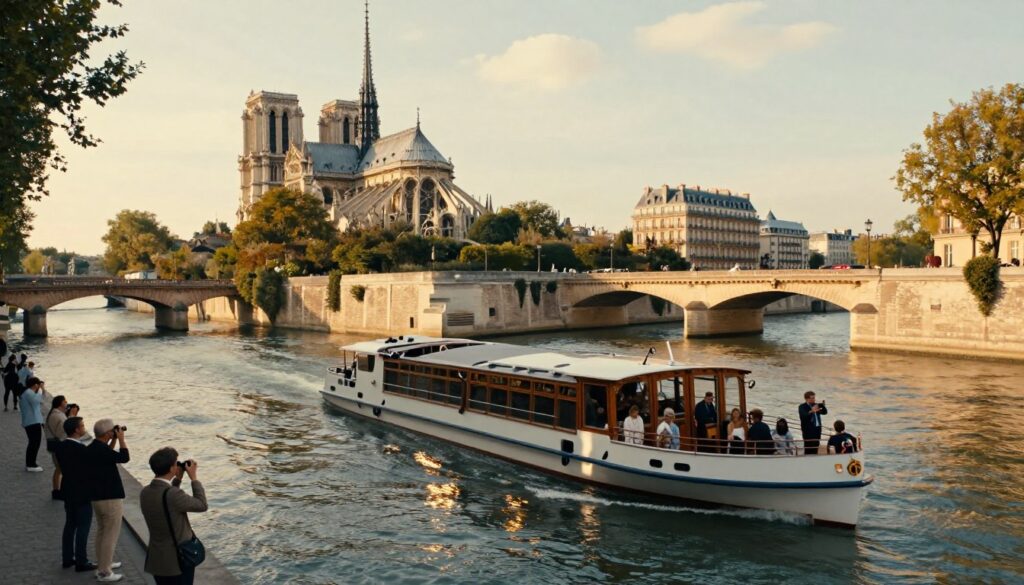
Seeing Paris from the water completely transformed my understanding of its wartime history. Gliding along the Seine gives you a commander’s-eye view of strategic locations. The river becomes your timeline, connecting occupation sites with liberation moments.
The most immersive option I discovered was the S.S. Joie de Vivre luxury cruise. Your first day begins with a welcome dinner on the water, saying farewell to the “City of Light” just as resistance fighters once did. Staying aboard eliminates packing hassles while traveling through the countryside.
What makes this river journey special is the strategic perspective. At La Roche-Guyon, you see the 12th-century château where Rommel planned D-Day defenses. The views from the water help you understand why these locations mattered.
| River Stop | Historical Significance | View Highlights | Time Required |
|---|---|---|---|
| La Roche-Guyon | Rommel’s headquarters | Château from river | Half day |
| Les Andelys | Château Gaillard visit | Seine valley panorama | 2-3 hours |
| Versailles | Treaty signing site | Palace grounds | Full day |
| Dieppe | 1942 raid location | Beach approaches | 3-4 hours |
This multi-day approach means you’re not cramming everything into one exhausting day. You have time to process each site’s significance. The journey connects Paris’s story with broader world events in a way that land-based tours can’t match.
Watching Dieppe’s beaches from the water where Canadian forces landed was incredibly moving. The river cruise format lets you absorb history while enjoying comfortable accommodations. It’s easily the most relaxing way to explore this profound chapter.
Visiting Iconic Museums and Hidden WWII Gems
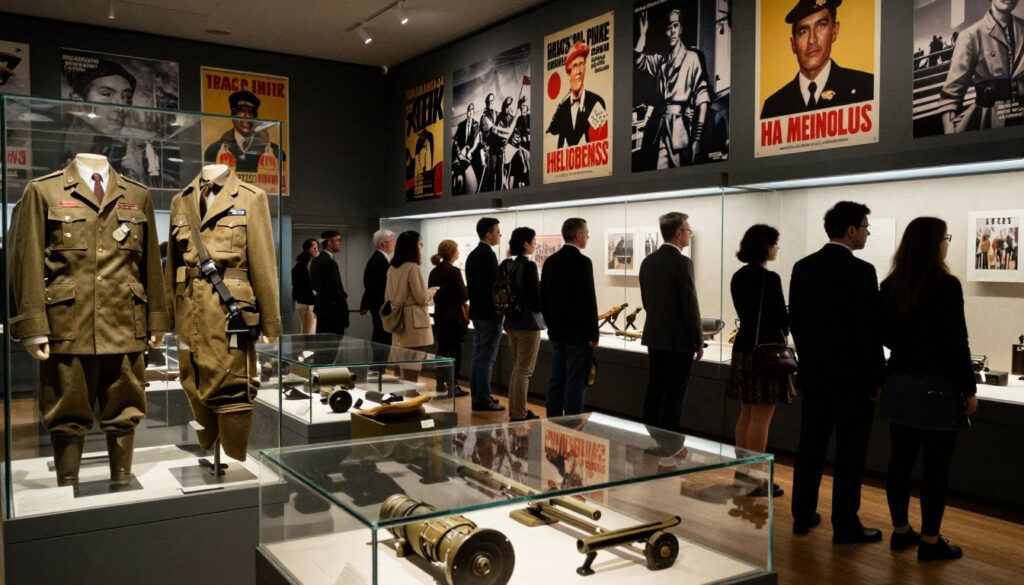
I discovered that some of the most powerful connections to this history happen indoors, within the walls of carefully curated spaces. The city’s museum collections range from world-famous institutions to intimate hidden gems that often deliver the most moving experiences.
The Museum of the Liberation of Paris completely captivated me. This free museum weaves together the story of French Resistance through the lives of General Philippe Leclerc and Jean Moulin. Their chronological pathway creates an emotional journey through occupation and freedom.
At Les Invalides, your single ticket covers multiple museum sites. The Army Museum’s exhibits bring the period to life with uniforms, personal letters, and film footage. The detail here operates at such a personal level—you feel connected to individual experiences.
The Mémorial de la Shoah offers a solemn but essential perspective with its Wall of Names honoring 76,000 deported Jews. For something completely different, the National Air and Space Museum displays actual aircraft from the era.
Pro tip: Plan around free admission days at several of these museum locations. You can experience world-class collections while stretching your travel budget significantly.
Memorials of Deportation, Holocaust, and Liberation
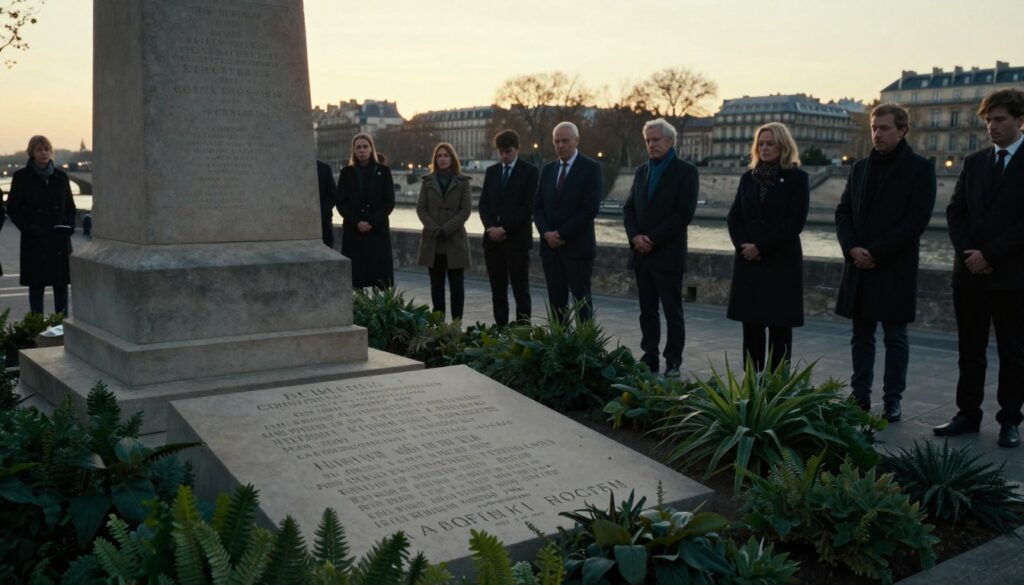
The memorials honoring victims of persecution during the occupation period left a permanent mark on my understanding of this city’s complex history. These quiet spaces demand reflection in ways that grand monuments cannot.
Behind Notre Dame Cathedral, the Deportation Martyrs Memorial descends underground to Seine level. The dark, disorienting space contains urns with soil from death camps. It commemorates over 200,000 citizens taken from their homes.
The Vel d’Hiv Memorial Garden near the Eiffel Tower lists names of 4,115 children. These young victims were arrested during the 1942 roundup. They were held at the Vélodrome d’Hiver and Drancy internment camp before deportation.
Paris recently unveiled “To the Forgotten Ones,” honoring LGBTQ+ victims. The striking star sculpture acknowledges those sent to camps for homosexuality. This memorial expands our understanding of Nazi persecution beyond commonly known stories.
Visiting these memorials isn’t easy, but it’s essential. They honor those who suffered during the dark years before liberation Paris arrived. Bearing witness feels like the least we can do for their memory.
Family-Friendly and Private Group WWII Tours in Paris
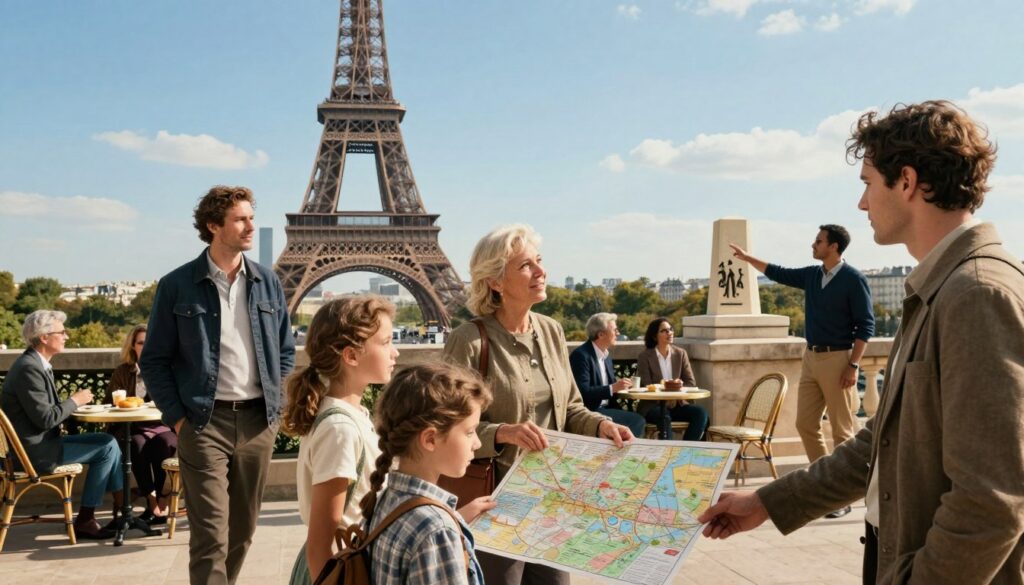
Private tours became my go-to recommendation after seeing how they transformed the experience for families. When I brought my niece along, I realized standard excursions just don’t work for younger visitors.
The three-hour private tour format works perfectly for children. Your guide can adjust pacing when little ones get tired. You’re not stuck with strangers on a rigid schedule.
What I love about booking a private group is the exclusive attention from professional guides. They tailor stories to be age-appropriate for your children. Focus on resistance heroes rather than traumatic details.
The walking format with one metro ride keeps kids engaged. They can move around and ask questions freely. Bathroom breaks happen when needed, not when the schedule allows.
If you’re traveling with friends or family, splitting costs makes private tours affordable. You get personalized attention without the large group dynamics.
Pro tip: Talk to your operator before your day about your kids’ ages. Good guides will create an educational experience that won’t overwhelm young travelers.
Special Pre-Tour Extensions: Paris Under Occupation Experiences
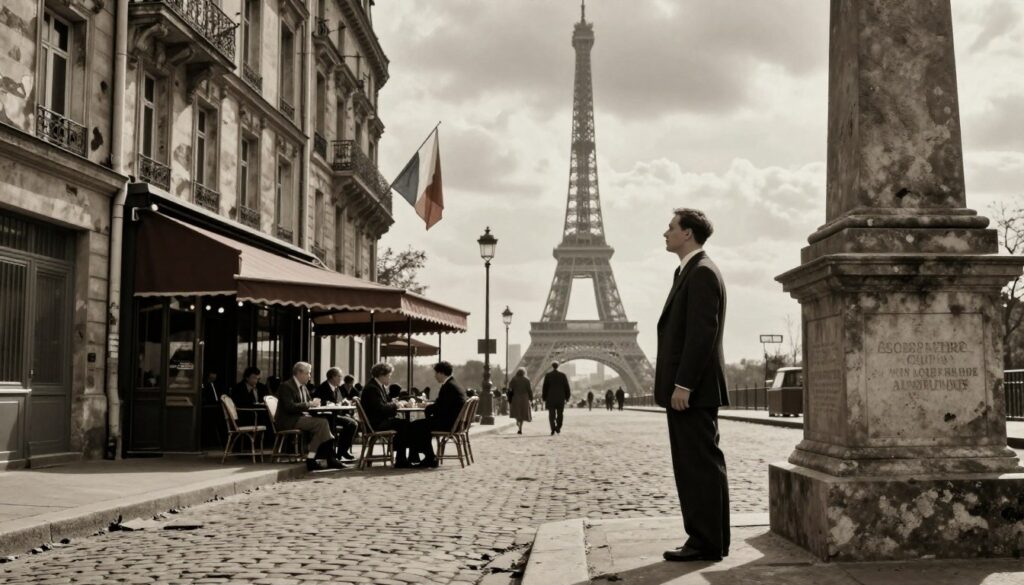
The optional two-night extension transforms a standard visit into a profound historical journey from the moment you land at Charles de Gaulle Airport. I discovered this pre-tour addition with historian Dr. Michael Neiberg offers unmatched depth for understanding the city’s occupation period.
Your first day begins with arrival at Paris Charles de Gaulle and transfer to the Hotel du Louvre. You’ll immediately explore the Trocadero and Eiffel Tower area, learning about life under Nazi control. The itinerary includes powerful memorial sites and a walking route from Notre Dame tracing resistance fighter footsteps.
| Day | Morning Activities | Afternoon Highlights | Evening |
|---|---|---|---|
| Day 1 | Arrival at Charles de Gaulle Airport, hotel transfer | Eiffel Tower area, memorial visits, Notre Dame walking tour | Welcome reception and lecture |
| Day 2 | Mount Valerian execution site visit | Paris Liberation Museum with underground bunker | Free evening to explore |
| Day 3 | Resistance stories walking tour | Independent lunch, transfer to main tour | Begin river cruise experience |
Staying at the central hotel for two nights before the main tour means you’re perfectly positioned. This foundation makes your subsequent Normandy visits exponentially more meaningful. The extension truly brings the resistance struggle to life.
Planning Your Itinerary: Essential Tips for U.S. Travelers
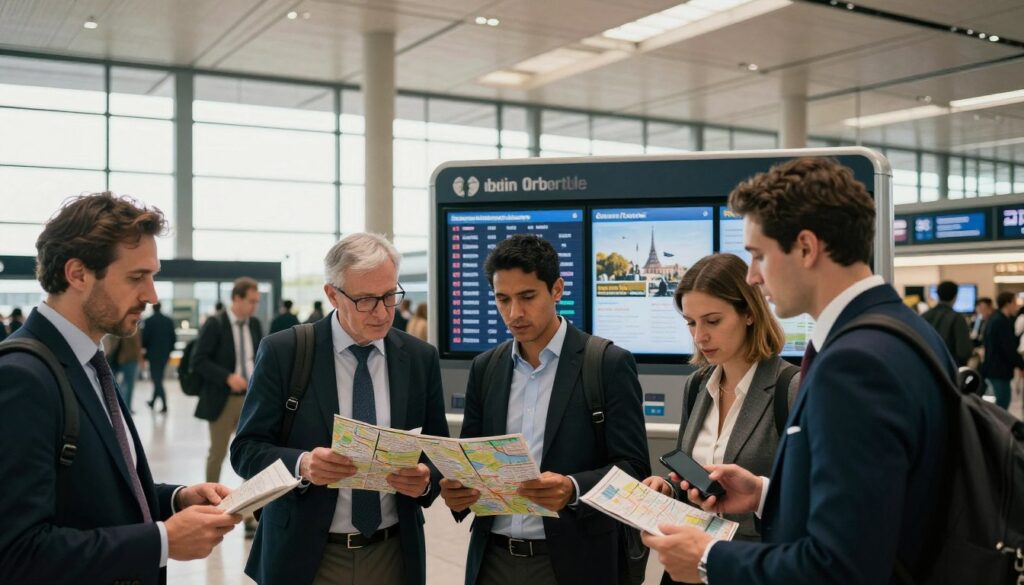
Your journey into Paris’s complex past begins long before you step foot in the city. Strategic planning transforms a good historical trip into an unforgettable experience that honors this profound chapter of world war history.
I always book morning flights into Charles de Gaulle Airport. This gives you maximum time on arrival day instead of losing it to travel fatigue. Most organized experiences start with morning arrivals, letting you explore independently or rest before official activities.
The most comprehensive option I’ve found spans nine days, covering Paris, a Seine River cruise, and Normandy’s D-Day sites. This approach connects occupation through liberation to the invasion that made freedom possible. Adding the optional two-night pre-tour extension provides deep context before the main experience begins.
When reviewing itineraries, note included meals versus free time. I appreciate the balance of structured guidance and independent exploration. This heavy emotional content requires downtime to process what you’re learning.
If combining this travel with other goals, dedicate 2-3 full days exclusively to wartime history. For a meaningful walking tour Parisian experience during WW2, book early—the best small-group options fill quickly, especially during peak seasons.
Navigating Paris: Transportation, Access, and Local Tips
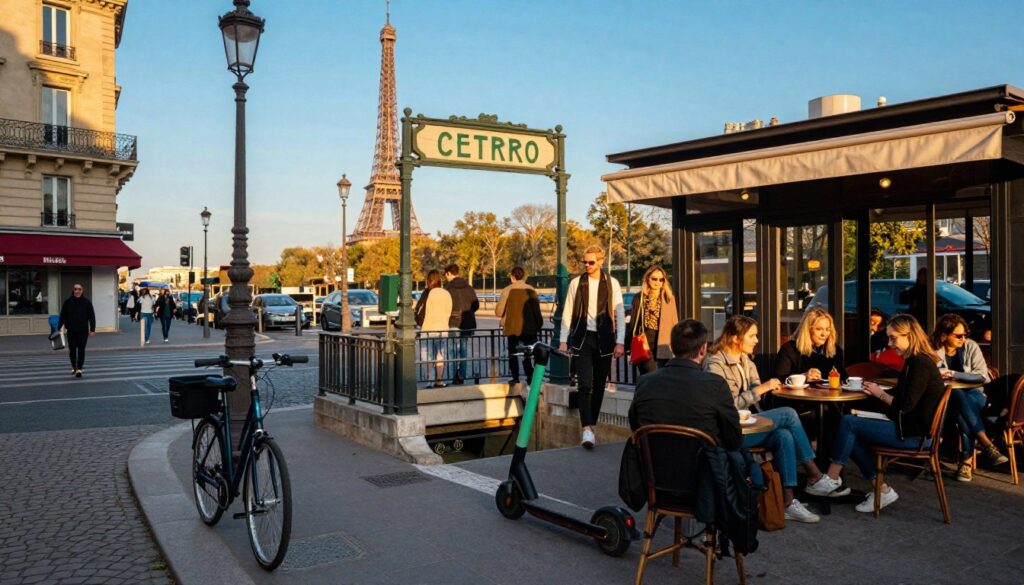
I quickly learned that getting around the city to visit meaningful locations doesn’t have to be complicated or stressful. Most major museums and memorials cluster in central areas, making them easily reachable by metro or short walks.
If you’re joining a guided experience, transportation logistics are typically handled for you. This includes metro tickets and transfers between Paris Charles de Gaulle Airport and your hotel or ship. It eliminates so much planning stress!
For independent exploration, I always buy a carnet—a book of 10 metro tickets. It’s cheaper than single tickets and gives you flexibility to hop between sites. The metro system is an efficient way to cover distances.
Accessibility surprised me pleasantly. Most museums offer accommodations like borrowed wheelchairs. However, some locations like the Deportation Memorial require descending stairs since they’re intentionally underground.
Download digital guides before arriving—they’re often free and provide rich detail. Many locations offer free admission or free days (first Sundays). Just watch closing schedules—Jewish sites close Saturdays, others close Mondays.
Planning your itinerary around these practical details makes exploring this profound chapter of world history much smoother. The right preparation ensures you can focus on the experience itself.
Comparing Tour Formats: Private vs. Group and Luxury vs. Walking
The biggest decision you’ll make isn’t which memorial to visit first, but how you want to experience these powerful stories. Each format creates a completely different connection to this chapter of world war history.
Private experiences give you 100% exclusive access to a professional guide. You control the pace and can linger at meaningful locations. This flexibility transformed my understanding of key events.
Shared group options cost less per person. I’ve found that hearing other travelers’ perspectives often reveals details I might have missed. The collective experience adds depth.
Luxury river journeys like the S.S. Joie de Vivre offer stunning views from the water. You wake up each morning already positioned for that day’s exploration. The all-inclusive nature removes planning stress.
| Tour Type | Immersion Level | Physical Demand | Historical Depth |
|---|---|---|---|
| Private Walking | High (personalized) | Moderate (3 hours walking) | Customizable focus |
| Group Walking | Medium (shared) | Moderate (5-10 sites) | Standard curriculum |
| Luxury River | High (multi-day) | Low (boat-based) | Comprehensive world war context |
| Half-Day Focus | Medium (3 hours) | Varies by format | Single site emphasis |
A ground-level walking tour provides intimate connection. You stand exactly where history unfolded. This demands a decent fitness level but rewards you with profound moments.
Multi-day experiences covering Paris to Normandy show the full progression from occupation to invasion. They offer the deepest understanding of how events interconnected across regions.
Your choice depends on time, budget, and how deeply you want to dive. Each format reveals different facets of this complex history.
Conclusion
This exploration of Paris’s Second World War legacy became more than a trip—it became a conversation with the past that continues to shape my present. Walking where ordinary people faced extraordinary circumstances during that global conflict gave me a profound new perspective.
These experiences connect you to the real story behind the history. You’re not just visiting sites—you’re honoring the courage of the french resistance and those who never made it home. From the shadows behind notre dame to the joy of liberation paris, each location tells a powerful tale.
Whether you choose a comprehensive tour or independent exploration, this journey will transform your understanding. It goes beyond typical art and culture to reveal the city’s deepest character.
Give yourself permission to feel the weight of this history. Let these stories of resilience during the world war change you as they changed me. Your connection to this chapter of human experience will last long after you leave.
FAQ
What is the best way to see Paris’ WWII history?
I always recommend a guided walking tour. You get to walk the same streets where the French Resistance operated and see the city up close. It feels much more personal and immersive than just reading about it in a museum. For a different view, a Seine River cruise can offer unique perspectives on sites like Notre Dame and the liberation history along the water.
Are there tours suitable for children or those with limited mobility?
A> Absolutely! Many operators offer family-friendly tours that tell the stories of the Second World War in an accessible way. For mobility concerns, look into private car tours or the nautical tours on the river. These options provide a comfortable way to see key sites like the Drancy internment camp memorial without extensive walking.
How far in advance should I book a tour?
I’d suggest booking at least a few weeks ahead, especially for smaller group tours or private guides. The really knowledgeable guides get booked up quickly. If you’re flying into Paris Charles de Gaulle Airport, it’s a great idea to have your tours scheduled before you even land to ensure you get the experience you want.
Can I visit these sites on my own, or is a guide necessary?
You can definitely visit places like the Musée de l’Armée on your own. But for understanding the deeper stories of the occupation and liberation, a guide is invaluable. They bring the history to life with personal anecdotes and point out details you’d easily miss, turning a simple walk into a powerful journey through time.
What should I look for in a quality tour?
Look for guides who specialize in Second World War history, not just general city tours. Read reviews to see if they mention the guide’s storytelling ability. A great tour will balance the big events—like the liberation of Paris—with lesser-known stories of everyday people during that difficult time.