Best Museums in Paris

Paris, the cultural capital of the world, is home to an extraordinary array of museums that celebrate human creativity, intellect, and innovation. From grand palaces filled with Renaissance masterpieces to intimate galleries tucked away in lush gardens, the city’s museums are a journey through time, emotion, and imagination. Whether you’re a first-time visitor or a seasoned art lover, exploring these institutions will open your eyes to the soul of Paris itself. Here’s your extended guide to the best museums in Paris — a mix of world-famous icons and lesser-known treasures, all worth discovering.


Musée du Louvre
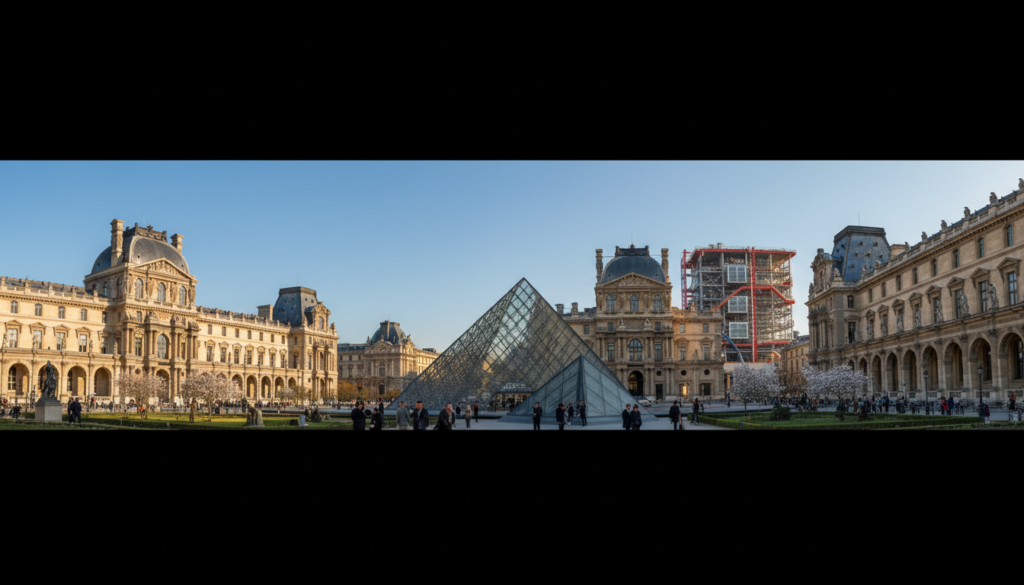
A panoramic view of iconic museums in Paris, showcasing the intricate architecture of the Louvre with its glass pyramid in the foreground, flanked by the Musée d'Orsay in elegant Beaux-Arts style, and the Centre Pompidou with its modern design and colorful exterior in the background. The scene is alive with visitors dressed in professional business attire and modest casual clothing, admiring the artworks and exploring the spaces. Soft cinematic lighting bathes the scene, creating depth and highlighting the textures of the buildings and the vibrancy of the surrounding gardens. The composition is shot from a low angle to emphasize the grandeur of the museums against a bright, clear sky, capturing the essence of cultural exploration and discovery. Raw photograph with highly detailed textures, 8k resolution.

The Louvre Museum stands as a monumental symbol of art, history, and culture. Once a royal palace, it is now the world’s most visited museum, home to over 35,000 works of art from prehistory to the 19th century. Its vast collection can take days to explore, making each visit a new discovery. The glass pyramid at its entrance, designed by architect I. M. Pei, has become one of Paris’s most recognizable modern landmarks.

Highlights:

  • 🎨 Leonardo da Vinci’s Mona Lisa — the enigmatic smile that draws millions each year.
  • 🏛️ Venus de Milo — a timeless representation of beauty and Greek sculpture.
  • 🕊️ Winged Victory of Samothrace — dramatically perched on a staircase, exuding power and grace.
  • 🐫 Egyptian Antiquities and Mesopotamian artifacts — intricate relics from the cradle of civilization.
  • 🏰 Medieval foundations of the original fortress — offering a glimpse into the Louvre’s centuries-old past.

Practical Info:

  • 🕘 Opening Hours: Wed–Mon 09:00–18:00 (Closed Tuesday)
  • 🌙 Late Nights: Wed & Fri until 21:00
  • 💶 Tickets: €22 (Free for under 18s and EU residents under 26)
  • 📍 Address: Rue de Rivoli, 75001 Paris
  • 🚇 Nearest Métro: Palais-Royal – Musée du Louvre (Lines 1, 7)

Visitor Tips: 🌇 Visit in the evening to experience the museum’s quiet majesty under soft lighting. Focus your route on one or two sections per visit — for example, Italian Renaissance or Ancient Egypt — to avoid fatigue. Don’t miss the lesser-known Richelieu Wing, which offers serene galleries and spectacular views of the courtyard. For an enhanced experience, rent an audio guide or join a thematic tour that dives deep into specific art movements or historical eras.
Official site: louvre.fr


Musée d’Orsay
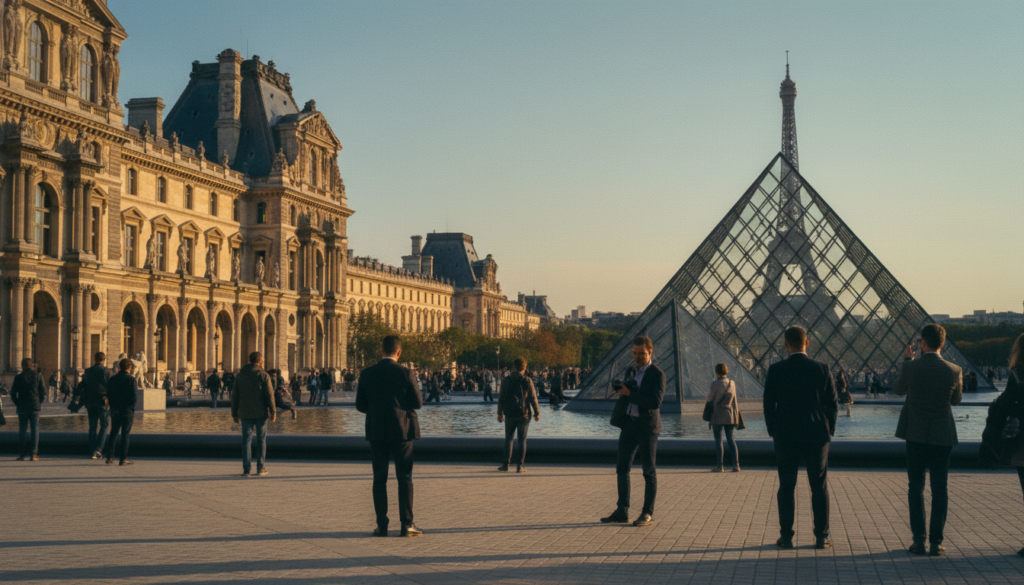
A stunning view of a famous Paris museum, such as the Louvre, showcasing its iconic glass pyramid entrance in the foreground. The scene is set during golden hour, with warm, cinematic lighting casting soft shadows and illuminating the intricate architectural details of the museum. In the middle ground, casual visitors in professional attire admire art pieces and take photographs, adding a sense of lively engagement. The background features the beautiful Parisian skyline, with the Eiffel Tower peeking through the trees of the Tuileries Garden. The image should be rich in color, capturing the essence of Paris and its cultural heritage. Rendered in highly detailed textures, 8k resolution.

Housed in a grand Beaux-Arts railway station overlooking the Seine, Musée d’Orsay offers an unparalleled collection of French art from 1848 to 1914. It bridges the artistic gap between the classical treasures of the Louvre and the modern masterpieces of the Pompidou, making it a must-see for art lovers. The museum’s light-filled nave and massive clock windows create an unforgettable atmosphere where art and architecture harmonize beautifully.

Highlights:

  • 🌸 Monet’s Water Lilies and Woman with a Parasol — the essence of Impressionism.
  • 💃 Renoir’s Dance at Le Moulin de la Galette — a vibrant portrait of Parisian joy.
  • 🌌 Van Gogh’s Bedroom in Arles and Starry Night Over the Rhône — timeless depictions of emotion and light.
  • 🩰 Degas’ Little Dancer Aged Fourteen — a study of movement and fragility.
  • 🎭 Gauguin, Cézanne, and Manet — pioneering works that transformed modern art.

Practical Info:

  • 🕘 Opening Hours: Tue–Sun 09:30–18:00 (Closed Monday)
  • 🌙 Late Night: Thursday until 21:45
  • 💶 Tickets: €16 online / €14 at museum (Free for under 18s & EU residents under 26)
  • 📍 Address: Esplanade Valéry Giscard d’Estaing, 75007 Paris
  • 🚇 Nearest Métro: Solférino (Line 12) / RER C Musée d’Orsay

Visitor Tips: 🎟️ Visit on Thursday evenings for a tranquil experience and discounted entry. Allow time to relax in the café beneath the clock — one of Paris’s most photogenic dining spots. If you love Impressionism, pair this visit with Musée de l’Orangerie for a complete artistic journey.
Official site: musee-orsay.fr


Musée de l’Orangerie
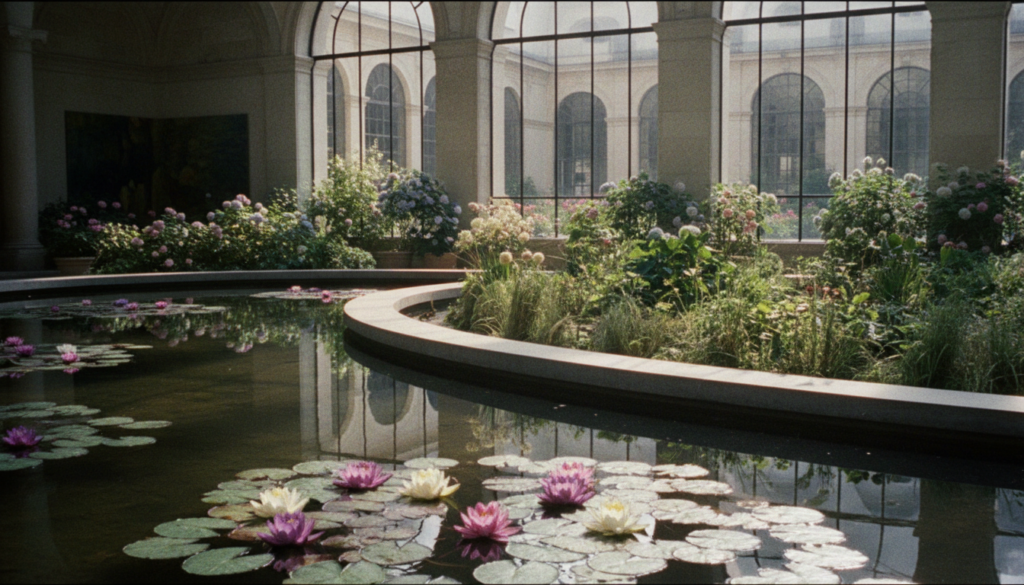
A serene view of Claude Monet's famous Water Lilies, displayed in the Musée de l'Orangerie. In the foreground, vibrant water lilies float gracefully on a tranquil pond, their blossoms reflecting a spectrum of pastel colors. The middle ground features the gentle curves of the pond's edge, lined with lush greenery and softly lit by the warm glow of early morning sunlight. In the background, the iconic architecture of the Musée de l'Orangerie can be seen, framed by blooming flowers in the Jardin des Tuileries. The scene captures a sense of tranquility and inspiration, with soft shadows and a dreamy ambiance. The image is a raw photograph, using cinematic lighting and highly detailed textures, rendered in stunning 8k resolution to evoke the timeless beauty of Monet's art.

Tucked away in the Tuileries Garden, the Musée de l’Orangerie is a serene haven for art lovers. Its intimate scale and natural light make it one of Paris’s most calming cultural experiences. The museum is world-famous for housing Claude Monet’s Water Lilies series — immersive murals painted specifically for this space as a gift to France.

Highlights:

  • 💧 Monet’s Water Lilies (Nymphéas) — a panoramic masterpiece that wraps you in color and light.
  • 🎨 Works by Cézanne, Matisse, Picasso, and Modigliani — showcasing early modernist creativity.
  • 🖼️ The Jean Walter and Paul Guillaume Collection — including pieces by Soutine, Derain, and Rousseau.
  • 🌻 Temporary exhibitions focusing on Impressionism and early 20th-century avant-garde art.

Practical Info:

  • 🕘 Opening Hours: Mon, Wed–Sun 09:00–18:00 (Closed Tuesday)
  • 💶 Tickets: €12.50 (Free for under 18s and EU under 26)
  • 📍 Address: Jardin des Tuileries, 75001 Paris
  • 🚇 Nearest Métro: Concorde (Lines 1, 8, 12)

Visitor Tips: 🌅 Arrive at opening time to have Monet’s Water Lilies almost to yourself — the peacefulness enhances the emotional impact. The museum’s compact layout makes it ideal for a 1–2 hour visit. Afterward, take a stroll through the Tuileries Gardens or relax by the fountains. Combine your ticket with the Musée d’Orsay for a full Impressionist experience.
Official site: musee-orangerie.fr


Musée Rodin
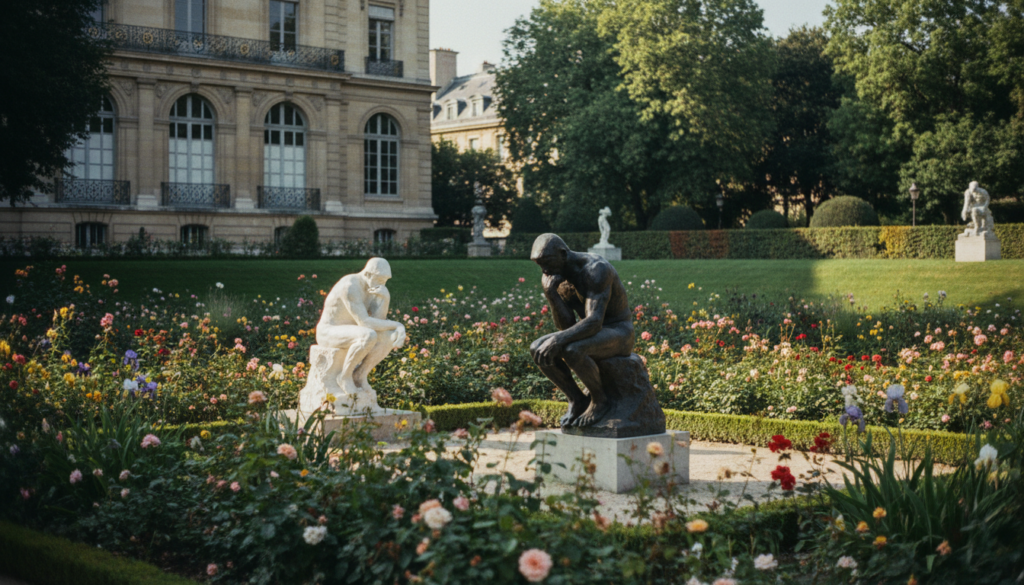
A serene view of the Musée Rodin in Paris, showcasing its beautiful romantic gardens and iconic sculptures. In the foreground, exquisite bronze and marble sculptures, including "The Thinker", eloquently positioned among vibrant flower beds. The middle ground features the elegant architecture of the museum, with lush greenery and carefully manicured hedges. The background reveals soft sunlight filtering through the trees, casting gentle shadows and enhancing the textures of the garden's foliage. Capture this scene with cinematic lighting and a shallow depth of field to create a dreamy, tranquil atmosphere, reminiscent of an artful day in one of Paris's most cherished cultural spaces. Render in 8k resolution for highly detailed textures and clarity.

The Musée Rodin celebrates one of France’s most influential sculptors in a setting that feels like a dream. Housed in the elegant Hôtel Biron, an 18th-century mansion, it offers a rare combination of art, architecture, and nature. Both the indoor galleries and the outdoor sculpture garden reflect the passion and depth of Rodin’s creative genius.

Highlights:

  • 🗿 The Thinker, The Kiss, and The Gates of Hell — Rodin’s most iconic sculptures.
  • 💫 Works by Camille Claudel, Rodin’s protégé and muse, offering emotional contrast and intensity.
  • 🖌️ Rodin’s private art collection featuring Van Gogh, Renoir, and Monet.
  • 🌳 The peaceful sculpture garden, dotted with fountains, rose bushes, and pathways lined with art.

Practical Info:

  • 🕘 Opening Hours: Tue–Sun 10:00–18:30 (Closed Monday)
  • 💶 Tickets: €14 (Free for EU residents under 26)
  • 📍 Address: 77 Rue de Varenne, 75007 Paris
  • 🚇 Nearest Métro: Varenne (Line 13) / Invalides (Lines 8, 13, RER C)

Visitor Tips: 🌿 Visit on a sunny day to fully enjoy the garden’s romantic ambiance. The outdoor café offers a perfect break surrounded by sculptures. Consider purchasing a combined Rodin-Orsay ticket for savings. Photography is permitted outdoors — the garden’s light is ideal for capturing artistic details.
Official site: musee-rodin.fr


Centre Pompidou
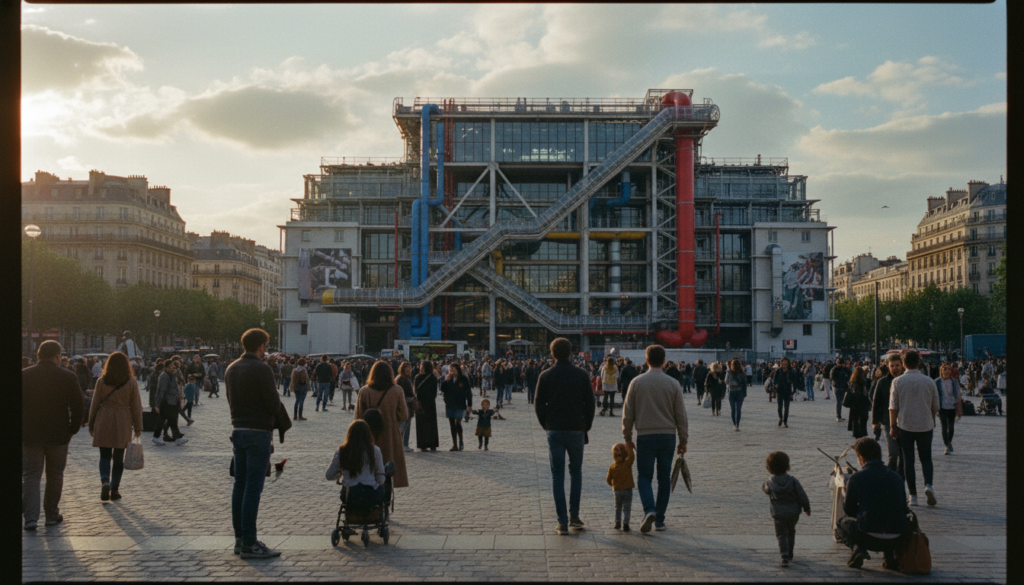
A captivating view of the Centre Pompidou in Paris, showcasing its iconic architecture. In the foreground, include the vibrant urban plaza bustling with art enthusiasts and families, dressed in casual, modest attire. The middle ground features the striking exterior of the Centre Pompidou, highlighted by its colorful industrial design and exposed structural elements. The background captures the Parisian skyline, with soft clouds and a hint of sunlight casting a warm glow over the city. Use a dynamic angle to emphasize the modern art museum's unique façade against the classic Parisian architecture. The image should be rendered in 8k resolution with rich, detailed textures and cinematic lighting that creates an inviting atmosphere, embodying the spirit of modern art in a lively city.

The Centre Pompidou is Paris’s boldest statement of modern design. Its colorful pipes, exposed steel framework, and transparent escalators have redefined architectural norms since 1977. Inside lies the National Museum of Modern Art — the largest modern art collection in Europe, housing more than 100,000 works.

Highlights:

  • 🖼️ Iconic works by Picasso, Kandinsky, Dali, Warhol, and Matisse.
  • 🌆 Rooftop terrace with sweeping views of Notre-Dame, the Eiffel Tower, and Sacré-Cœur.
  • 🎭 Temporary exhibitions exploring cutting-edge art, photography, and performance.
  • 🧩 Interactive installations and design-focused galleries for all ages.

Practical Info:

  • 🚧 Status: Closed for renovation from March 2025 to 2030
  • 📍 Address: Place Georges-Pompidou, 75004 Paris
  • 🚇 Nearest Métro: Rambuteau (Line 11) / Châtelet – Les Halles

Visitor Tips: 🏙️ Even though the main building is under renovation, the Centre Pompidou-Metz and traveling exhibitions keep its spirit alive. Check the official website for pop-up events and off-site displays. Once reopened, plan your visit at sunset to enjoy breathtaking rooftop views of Paris bathed in golden light.
Official site: centrepompidou.fr


Final Thoughts
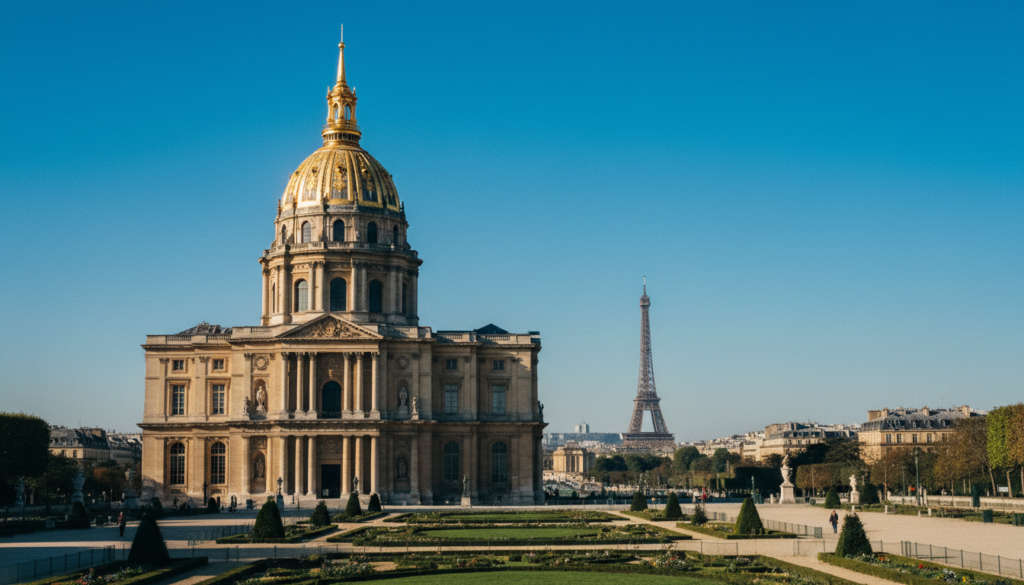
A stunning view of Les Invalides, featuring its magnificent golden dome shining brightly under a clear blue sky. In the foreground, a beautifully manicured lawn with classic French gardens, leading up to the grand entrance of the Army Museum. The middle layer showcases the ornate facade of Les Invalides, with its intricate baroque architecture and statues, bathed in soft, cinematic lighting that highlights the textures of the stone. In the background, the iconic silhouette of the Eiffel Tower can be seen, adding a Parisian flair to the scene. The atmosphere is serene and majestic, perfect for showcasing the historical importance of the location. Captured in 8k resolution, with a wide-angle lens to emphasize both the grandeur of the architecture and the lush surrounding landscape.

Paris’s museums aren’t just places to see art — they’re experiences that connect the past, present, and future of human creativity. Each institution tells a different story: the Louvre’s timeless grandeur, Orsay’s Impressionist brilliance, Orangerie’s tranquil beauty, Rodin’s sculptural poetry, and Pompidou’s modern audacity. Together, they paint the full picture of why Paris remains the artistic heart of the world.

Whether you’re marveling at Da Vinci’s Mona Lisa, absorbing the emotional depths of Van Gogh, or losing yourself in Monet’s tranquil reflections, you’re engaging in a conversation across centuries. To make the most of your visit, invest in the Paris Museum Pass — a convenient and cost-effective way to skip the lines and explore dozens of cultural landmarks. And remember: the best time to experience Paris’s museums is not when they’re the busiest, but when you can wander slowly, let the art speak, and feel the city’s timeless magic come alive around you.

FAQ

Which museums should first-time visitors prioritize for iconic highlights?

For a first visit, head to the Louvre for world-famous paintings and sculptures, Musée d’Orsay for Impressionist masters like Monet and Van Gogh, and Centre Pompidou for modern art and panoramic skyline views. Pair any of these with a stroll through nearby gardens or along the Seine to make the most of your day.

How do I choose the right museums for my trip based on interests?

Match museums to your passions: choose Musée Rodin or Musée Zadkine for sculpture and garden settings, Musée Carnavalet or Les Invalides for history, Musée Marmottan Monet or Musée de l’Orangerie for Impressionism, and Musée du Quai Branly for global art. Check current exhibitions and whether you prefer permanent collections or rotating shows before booking tickets.

When is the best time of day to visit popular sites to avoid crowds?

Visit right at opening or late afternoon on weekdays to avoid peak crowds. Many museums open mid-morning; evenings or late-night openings (when offered) can be quieter. Arrive early for special works like Monet’s Water Lilies or major temporary exhibitions to enjoy them with fewer people.

Do I need to buy tickets in advance and are there discounted options?

Buying timed-entry tickets online is recommended for major museums to skip long lines. Look for combined tickets, city passes, or reduced fares for students, seniors, and EU residents under certain ages. Some public museums offer free admission on the first Sunday of the month or on specific dates.

What should I expect at Musée de l’Orangerie and how long should I plan to spend?

Musée de l’Orangerie houses Monet’s Water Lilies in two oval rooms and a fine collection of Impressionist and modern works. Plan 60–90 minutes to appreciate the series and nearby galleries; longer if you enjoy reading labels and pausing in the Jardin des Tuileries afterward.

How is Musée Marmottan Monet different from other Impressionist venues?

Musée Marmottan Monet focuses on Impressionism with a strong Monet collection, including early works and lesser-known pieces. The museum offers a more intimate, residential feel than larger institutions, making it ideal for visitors who like quieter, focused displays.

What makes Musée National Picasso-Paris worth a visit for modern art fans?

Musée National Picasso-Paris holds an extensive permanent collection covering Picasso’s many periods, plus drawings, ceramics, and personal archives. The displays trace his artistic evolution and give context to major 20th-century movements—perfect for anyone studying modern art or Picasso himself.

What can I see around the Centre Pompidou area besides the collection?

Beyond the museum’s modern and contemporary holdings, the Centre Pompidou area offers street performers, outdoor sculptures, design shops, and great views of Paris rooftops. It’s a lively neighborhood for contemporary culture, cafes, and short walks to nearby galleries.

Why visit Musée de Cluny and how long is a typical visit?

Musée de Cluny showcases medieval art, including the famous Lady and the Unicorn tapestries. The building itself is a historic hôtel particulier with atmospheric rooms. Plan 60–90 minutes to tour the tapestries, sculptures, and period interiors.

What does Musée Carnavalet reveal about city history?

Musée Carnavalet tells Paris’s story from Roman times to the present through paintings, decorative arts, and reconstructed interiors. It’s great for visitors curious about urban life, architecture, and how events shaped daily living across centuries.

What should I know before visiting Musée Rodin and its gardens?

Musée Rodin combines a significant sculpture collection with serene gardens where many works sit outdoors, including The Thinker. Wear comfortable shoes to enjoy both indoor galleries and the landscaped grounds; allow 90 minutes to two hours to take it all in.

Are Les Invalides and the Army Museum worth visiting near the Eiffel Tower?

Yes. Les Invalides houses the Army Museum and Napoleon’s tomb, offering deep insight into French military history and impressive architecture. It pairs well with a visit to the Eiffel Tower and nearby museums along the Seine.

What highlights does Musée du Quai Branly Jacques Chirac offer for global art lovers?

Musée du Quai Branly presents arts and cultures from Africa, Asia, Oceania, and the Americas. Its displays emphasize material culture, ritual objects, and non-Western perspectives, paired with lush gardens and a striking riverside location near the Eiffel Tower.

When should I visit Musée Maillol and what to expect from its exhibitions?

Musée Maillol hosts major temporary shows focusing on 20th-century works and modern masters. Check the schedule before your trip—exhibitions often attract international visitors. The museum’s scale makes for an intimate viewing experience.

What makes Musée National Gustave Moreau unique for lovers of Symbolism?

Housed in the artist’s former studio, Musée National Gustave Moreau displays richly detailed Symbolist paintings and drawings in their original domestic setting. The atmosphere is personal and immersive; allow about an hour to explore his dense, narrative works.

How is Musée Zadkine different from larger sculpture venues?

Musée Zadkine is a small studio museum near the Luxembourg Garden with a quiet garden and intimate sculptures by Ossip Zadkine. It’s ideal for a short, contemplative stop away from busier sites.

Why should I include the Petit Palais on my itinerary?

Petit Palais combines a beautiful Beaux-Arts building with a diverse fine art collection and free permanent displays. Its central location and charming courtyard make it an easy, rewarding stop for art lovers and casual visitors alike.

What draws visitors to Musée des Arts Décoratifs?

Musée des Arts Décoratifs focuses on fashion, design, and decorative arts, showing historic objects alongside contemporary design. Exhibitions often cover fashion houses, furniture design, and applied arts—great for designers and style enthusiasts.

Leave a Comment