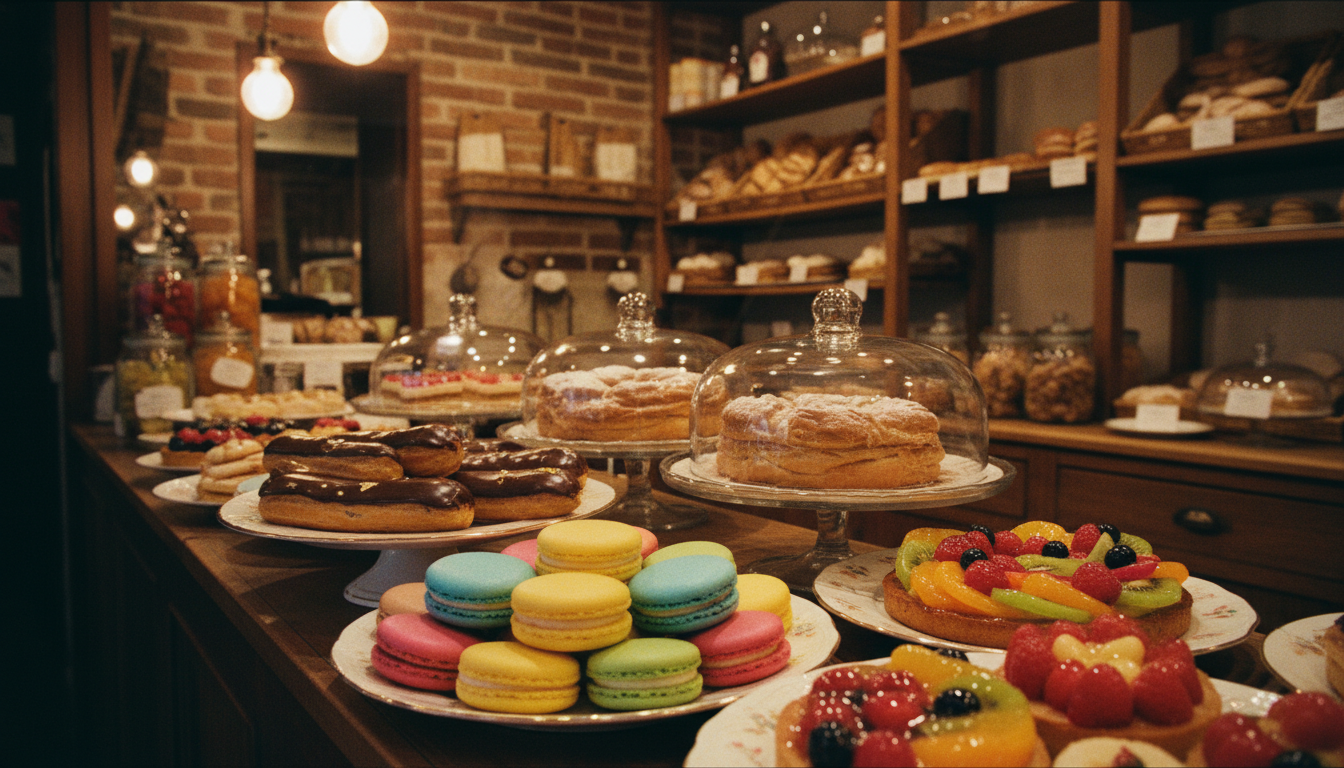
Have you ever wondered why Paris is known as the world’s top pastry capital? It’s because of the countless parisian patisseries and boulangeries along its streets. Each one shows the city’s rich pastry history and skill.
Knowing the difference between a pâtisserie and a boulangerie changes your Paris pastry adventure. Pâtisseries make refrigerated treats like layered cakes, tarts, and cream-filled pastries. Boulangeries focus on breads, croissants, and other baked goods that last longer.
Many places are both pâtisseries and boulangeries. They offer a wide range of treats, from delicate madeleines to parisian macarons. This lets you try all of French pastry artistry in one place.
Exploring gourmet pastry shops in Paris takes you through different areas. You’ll find over 20 top places, loved by chefs, pastry students, and food writers. These spots are the best for both traditional french patisserie and new, exciting pastries.
Key Takeaways
- Paris has thousands of pastry shops, with pâtisseries for cakes and boulangeries for breads
- Many shops offer both pastries and breads, making them hybrids
- Over 20 top places are recommended by experts and food writers
- Knowing the difference between shops helps you find what you want in Paris
- French pastry-making is a long tradition of skill and culture
- Each area in Paris has its own special pastry shops and experiences
Iconic Parisian Pâtisseries You Must Visit
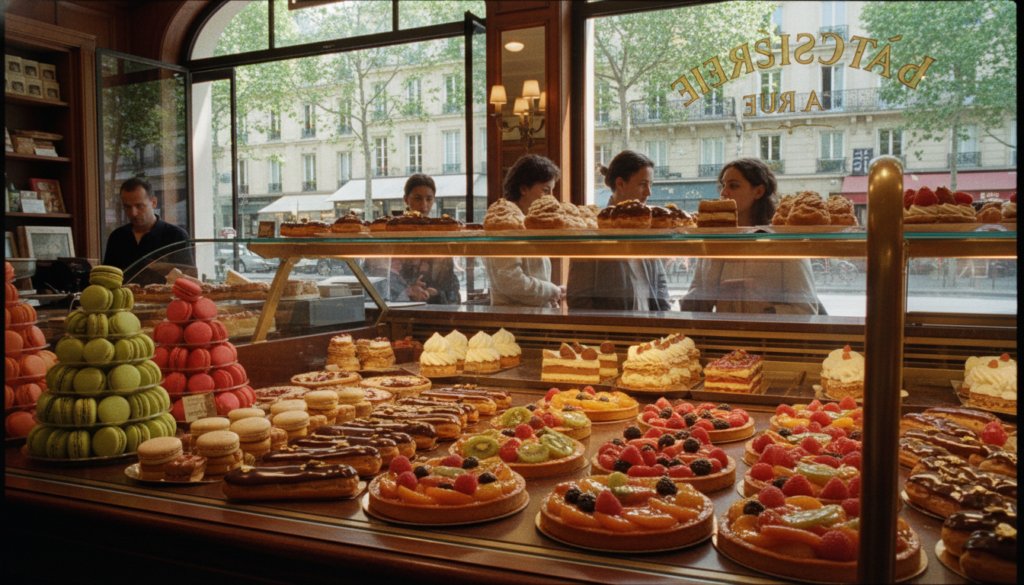
Four legendary cake shops have made a mark in Parisian pastry history. They have become pilgrimage sites for dessert lovers worldwide. Each shop brings something unique, whether it’s revolutionary technique, timeless elegance, or flavors that challenge everything you thought you knew about French pastry.
When you explore the best pastries in Paris, these four names are always at the top. They represent different eras and philosophies of French pâtisserie. Yet, they all share an uncompromising commitment to quality that has made them cultural institutions.
Cédric Grolet Opéra
At Cédric Grolet Opéra, you’ll question reality when you see the pastries. This pastry chef has created desserts that look exactly like perfect pieces of fruit. His signature trompe-l’oeil creations appear to be flawless apples, lemons, or hazelnuts sitting in the display case.
But slice into one of these botanical masterpieces and you’ll discover intricate layers of flavor. The lemon sculpture transforms into a complex interplay of citrus cream, delicate sponge, and subtle meringue. His Instagram-worthy presentations have made him a global sensation, but the taste backs up every bit of the visual spectacle.
The Opéra location showcases his full range of technical mastery. You can watch pastry chefs meticulously assembling these edible artworks through the glass kitchen windows. Expect queues, especially on weekends, but the wait rewards you with some of the most innovative pastry work happening in Paris today.
Pierre Hermé Paris
When pastry experts call someone the “Picasso of Pastry,” you know you’re dealing with a true innovator. Pierre Hermé Paris operates multiple boutiques throughout the city, each one offering his revolutionary approach to French desserts. While his macarons have achieved global fame, insiders know to look beyond these colorful confections.
The Tarte Infiniment Vanille represents Pierre Hermé’s philosophy perfectly. This seemingly simple vanilla tart elevates a single ingredient to extraordinary heights through impeccable technique and quality. You’ll taste the difference that premium Madagascar vanilla and precise baking make in every bite. It’s a masterclass in restraint and execution.
Pierre Hermé locations offer seating at select shops, allowing you to savor your selections in comfort. The variety extends well beyond macarons to include stunning entremets, seasonal fruit tarts, and creative flavor combinations like his famous Ispahan (rose, lychee, and raspberry). His multiple locations across Paris mean you’re never far from exceptional pastry.
“Pierre Hermé is not just making desserts; he’s composing symphonies of flavor that challenge and delight in equal measure.”
Ladurée Champs-Élysées
Step into Ladurée Champs-Élysées and you’ll travel back to the Belle Époque era of Parisian elegance. This historic establishment popularized macarons globally and continues to set the standard for quintessential French tea salon experiences. The ornate interiors feature gilded moldings, pastel colors, and an atmosphere of refined luxury.
The Ladurée macarons remain the star attraction, available in dozens of flavors and beautifully packaged for gifts or personal indulgence. The delicate almond meringue shells sandwich ganaches, jams, and buttercreams in classic combinations like salted caramel, pistachio, and rose. But don’t overlook their other pastries, including elegant fruit tarts and seasonal specialties.
Visiting Ladurée macarons Paris locations means experiencing pastry shopping as theater. The carefully orchestrated ritual of selecting your flavors, watching them boxed in signature green packaging, and settling into the tea room creates memories beyond the desserts themselves. The Champs-Élysées location offers the most iconic setting for this Parisian tradition.
Angelina Paris
You haven’t truly experienced Parisian decadence until you’ve tried the hot chocolate at Angelina Paris. This legendary establishment has served its impossibly rich chocolat africain for over a century. The beverage arrives at your table thick enough to coat a spoon, delivering an intense cocoa experience that borders on overwhelming in the best possible way.
The Angelina tea room Paris location near the Tuileries Gardens transports you to another era with its Belle Époque décor. High ceilings, marble tables, and attentive service create an elegant backdrop for their famous Mont-Blanc pastry. This dessert features sweetened chestnut cream vermicelli piled atop meringue and whipped cream—a combination that has remained essentially unchanged for generations.
When you visit Angelina Paris, arrive prepared for crowds, especially during peak tourist seasons. The restaurant and tea room attract visitors seeking both the signature hot chocolate and light lunch options. Consider timing your visit for mid-afternoon to experience the authentic Parisian tradition of le goûter (afternoon snack) in this storied setting.
What sets these establishments apart:
- Consistent appearance on expert recommendation lists across multiple sources
- Decades or centuries of history refining their signature offerings
- Innovation balanced with respect for French pastry traditions
- Exceptional quality ingredients sourced from premium suppliers
- Skilled pastry chefs, many holding prestigious culinary certifications
These four iconic Parisian pâtisseries you must visit represent the pinnacle of French pastry achievement. Each brings a different perspective to the craft, whether through cutting-edge innovation at Cédric Grolet Opéra, flavor mastery at Pierre Hermé, timeless elegance at Ladurée Champs-Élysées, or century-old traditions at Angelina Paris. Your exploration of Paris’s cake scene should absolutely include these legendary establishments.
Best Cake Shops in Paris for Classic French Pastries
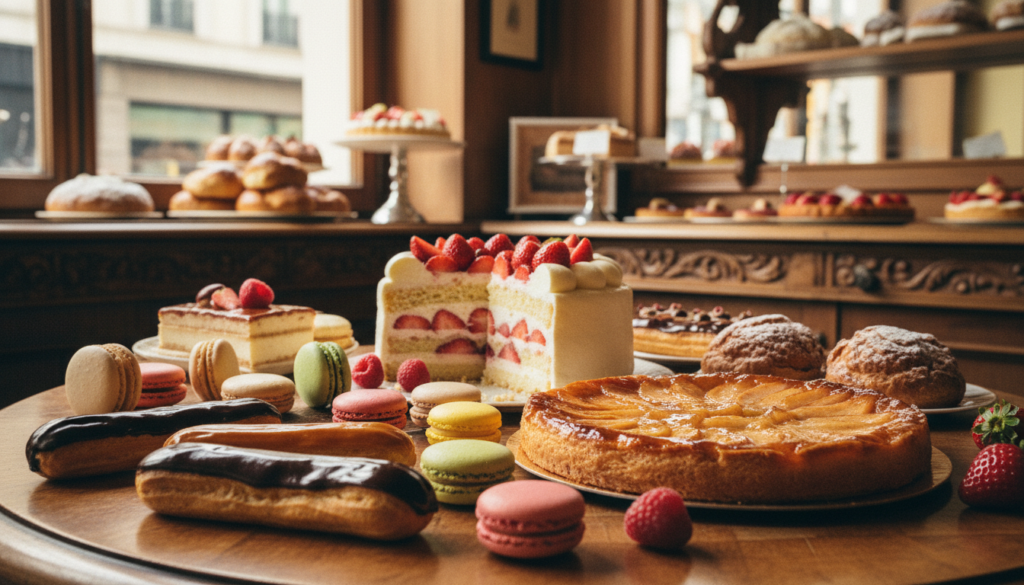
Some of the best cake shops in Paris for classic French pastries show that perfection is in mastering old traditions. These bakeries are known for their flawless execution of recipes that have defined French baking for generations. You’ll find buttery croissants, madeleines, and escargot pastries that turn simple ingredients into art.
Visiting these places lets you experience the heart of French pâtisserie. The bakers here follow techniques passed down through apprenticeships and refined over decades. Each pastry is a result of hours of careful work, precise temperature control, and a commitment to quality ingredients.
Du Pain et des Idées
In the 10th arrondissement, Du Pain et des Idées is a legendary spot among top bakeries in Paris. It’s famous for its oversized escargot pastries and the Pistachio Chocolate Escargot. This pastry has spiraled layers of buttery dough wrapped around pistachio and chocolate filling.
Prices here are nearly double what other bakeries charge. But the quality is worth it. Top chefs and food writers often recommend this bakery for its traditional methods and high-quality ingredients.
The shop doesn’t have seating, focusing on quick purchases of always-fresh items. Arrive early, as the most popular items sell out by mid-morning. The bakers use organic flour and high-quality butter for those distinctive, crispy-tender layers.
What to order: The Pistachio Chocolate Escargot is a must-try. But don’t miss the pain des amis (a crusty sourdough loaf) and seasonal fruit tarts. Every item shows the technical precision that sets great bakeries apart.
Blé Sucré
Blé Sucré is often mentioned when discussing the finest croissants and madeleines in Paris. This bakery in the 12th arrondissement is known for its authentic French pastries. Baker Fabrice Le Bourdat trained with some of France’s most respected artisans, and his skills are evident in every pastry.
The madeleines here are perfect in miniature. They have the classic golden shell, tender crumb, and rich butter flavor. These aren’t the dry, commercial versions found in supermarkets—they’re the real deal.
The croissants are equally impressive. Each one has hundreds of paper-thin layers from precise lamination. When you bite through the crispy exterior, you’ll find a tender, honeycomb interior with deep, buttery flavor.
Key features of Blé Sucré include:
- Daily production using traditional overnight fermentation methods
- Organic flour sourced from French mills
- Butter from Normandy with higher fat content for superior flavor
- Small-batch production ensuring freshness
- Seasonal fruit tarts featuring produce from local markets
The bakery keeps prices reasonable despite the exceptional quality. This neighborhood gem is less crowded than tourist spots, but locals know to arrive before the afternoon rush.
Laurent Duchêne
Laurent Duchêne is the gold standard for traditional French cakes with modern precision. This pâtisserie in the 2nd arrondissement combines classical training with contemporary quality standards. Duchêne himself earned his credentials at prestigious establishments before opening his own shop, where he applies rigorous technique to time-honored recipes.
You’ll find the full range of French pastry classics here, each one refined to near-perfection. The fruit tarts feature crisp pâte sucrée bases topped with silky pastry cream and seasonal fruits arranged with artistic precision. The éclairs demonstrate textbook execution—light choux pastry filled with smooth cream and topped with glossy fondant.
What distinguishes this bakery is the consistency. Every visit delivers the same exceptional quality, a testament to systematic processes and skilled hands. The Paris-Brest, a classic dessert featuring choux pastry and praline cream, showcases the kind of technical mastery that requires years to develop.
The shop’s commitment to authentic French desserts extends to lesser-known regional specialties. You might find Breton kouign-amann, Norman tarts, or Basque cake—each prepared according to traditional specifications. This dedication to preserving regional baking traditions makes Laurent Duchêne a destination for serious pastry enthusiasts.
Gérard Mulot
Few establishments embody the spirit of famous bakeries in Paris like Gérard Mulot. This beloved institution in Saint-Germain-des-Prés has served Parisians since 1975, building a reputation for impeccable classical pastries. The shop produces everything from morning viennoiseries to elaborate celebration cakes, all united by exceptional craftsmanship.
When you enter Gérard Mulot, you’re greeted by display cases overflowing with perfectly formed pastries. The croissants achieve that ideal balance of crispy exterior and tender interior. The fruit tarts showcase pristine seasonal produce atop flawless crusts. The chocolate éclairs glisten with mirror-smooth glaze.
The success of French pâtisserie lies in respecting traditional methods while maintaining the highest standards of execution.
This philosophy guides everything at Gérard Mulot. The bakery maintains traditional recipes while refusing to compromise on ingredient quality or technique. You’ll taste the difference in the depth of flavor and refined texture of each pastry.
Standout offerings include:
- Mille-feuille: Layers of crispy puff pastry with vanilla cream, demonstrating perfect lamination
- Tarte au citron: Bright lemon curd in sweet pastry shell with Italian meringue
- Religieuse: Double choux pastry filled with coffee or chocolate cream
- Saint-Honoré: The classic French pastry featuring caramel-topped cream puffs
The shop operates multiple locations across Paris, though the original Saint-Germain location maintains special charm. You’ll find both a retail counter for takeaway and a small tearoom where you can enjoy your selections with excellent coffee.
Visiting during weekday mornings offers the best selection and shorter lines. The bakery also produces exceptional bread, so consider picking up a baguette alongside your pastries. Prices remain reasonable given the prime location and superior quality.
These four establishments represent the pinnacle of traditional French baking in Paris. When you seek authentic Parisian cakes crafted with time-honored techniques, these bakeries deliver experiences that connect you to generations of pastry excellence. The mastery you’ll taste in each bite demonstrates why classical French pastries remain the benchmark against which all others are measured.
Where to Find the Best Chocolate Cakes in Paris
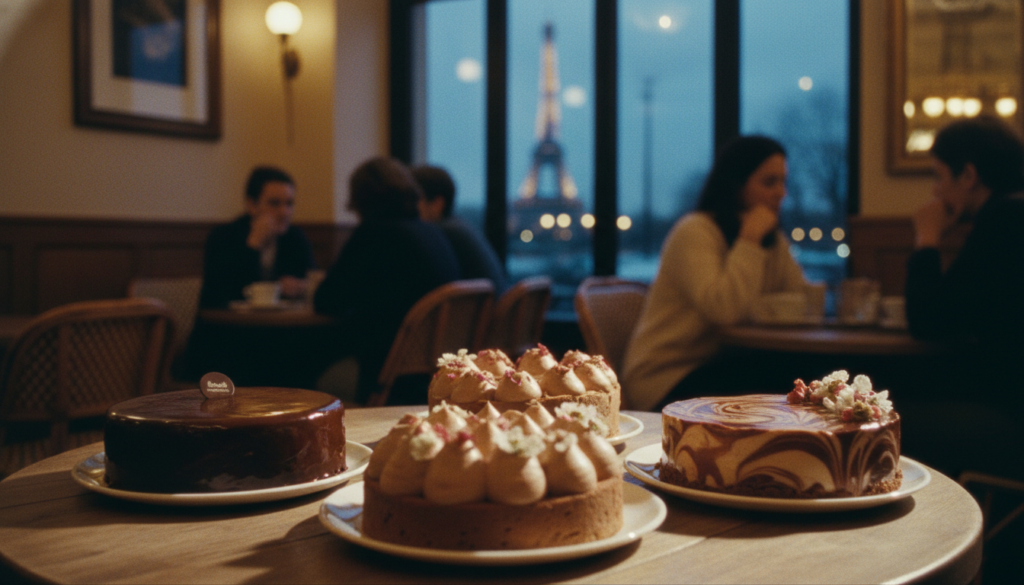
In Paris, finding the best chocolate cakes is like entering a world where chocolatiers treat cacao like fine wine. The city’s top chocolate spots create pastries that show off the complexity of quality cacao. These experts balance intense chocolate with sweet notes, making desserts that look and taste amazing.
These shops focus only on chocolate, unlike general pâtisseries. They use the best cacao, try different origins, and perfect techniques. Your chocolate cake experience will reveal new flavors you’ve never noticed before.
Jacques Genin
Jacques Genin has an atelier-boutique in the Marais where you can watch chocolate creations. The space is both a working kitchen and elegant salon. Here, he focuses on pure flavors and perfect balance, never letting sugar overpower the cacao.
The chocolate millefeuille at Jacques Genin is famous among chocolate lovers. It has layers of crisp pastry and silky chocolate cream. This dessert offers intense cacao flavor without too much sweetness. His chocolate tarts also highlight single-origin chocolates, letting you taste the differences.
His famous caramels and pâtes de fruits are also available, but the chocolate cakes are the stars. The cakes change with the seasons, using chocolate at its best quality. Visit in the afternoon to avoid morning crowds and get the best selection.
Patrick Roger
Patrick Roger, a Meilleur Ouvrier de France chocolatier, creates stunning chocolate desserts. His shops are like art galleries, with dramatic chocolate sculptures. These displays show his technical skill, but the chocolate cakes are the real showstoppers.
His chocolate entremets mix different textures and chocolate intensities. You might find layers of dark chocolate mousse, milk chocolate cream, and chocolate biscuit. Each part adds to the complex flavor. Patrick Roger sources his own cacao and controls every step of chocolate-making, ensuring quality.
The shops across Paris maintain high standards, but the original Boulevard Saint-Germain location has the most choices. Expect to pay premium prices for the quality and artistry in each dessert.
La Maison du Chocolat
La Maison du Chocolat has been perfecting chocolate pastries for decades. They are known for their refined elegance and consistency. Their chocolate entremets are studies in balance and sophistication, showcasing different cacao origins and percentages.
They offer a range of chocolate tarts, each with a specific cacao percentage from 60% to 85%. This lets you discover your favorite flavor while appreciating the differences in cacao. Their seasonal creations add complementary flavors like hazelnut, coffee, or citrus, always focusing on the chocolate.
La Maison du Chocolat has many locations in Paris, making it easy to find. The staff is well-trained and can help you choose based on your taste preferences. Their packaged chocolate cakes also make great gifts if you want to take some home.
Jean-Paul Hévin
Jean-Paul Hévin trained at Lenôtre before starting his own chocolate empire. His pastries blend confectionery and pâtisserie skills, creating desserts with perfect textures and complex flavors. His chocolate cakes are a testament to his mastery.
The shop offers a variety of chocolate cakes, from classics to innovative pairings. You might try a traditional chocolate fondant or something more adventurous like chocolate with Earl Grey tea. Each dessert focuses on quality chocolate, introducing complementary elements that enhance the cacao.
Jean-Paul Hévin also has a chocolate bar where you can enjoy plated desserts with wine or coffee pairings. This experience shows how different beverages interact with chocolate. The Saint-Honoré location offers the most comprehensive experience, though other shops are also available.
The table below compares these four paris chocolate cake destinations to help you plan your visits and understand what makes each unique among gourmet desserts in paris:
| Chocolatier | Signature Specialty | Price Range | Best Location | Unique Feature |
|---|---|---|---|---|
| Jacques Genin | Chocolate millefeuille and single-origin tarts | €8-€15 per slice | 133 Rue de Turenne, Marais | Working atelier with viewing area |
| Patrick Roger | Multi-textured chocolate entremets | €10-€18 per slice | 108 Boulevard Saint-Germain | MOF chocolatier with gallery atmosphere |
| La Maison du Chocolat | Percentage-specific cacao showcases | €7-€14 per slice | Multiple locations citywide | Different cacao origins and percentages |
| Jean-Paul Hévin | Chocolate fondant and innovative pairings | €8-€16 per slice | 231 Rue Saint-Honoré | Chocolate bar with pairing experiences |
Best Cake Shops in Paris for Custom and Celebration Cakes
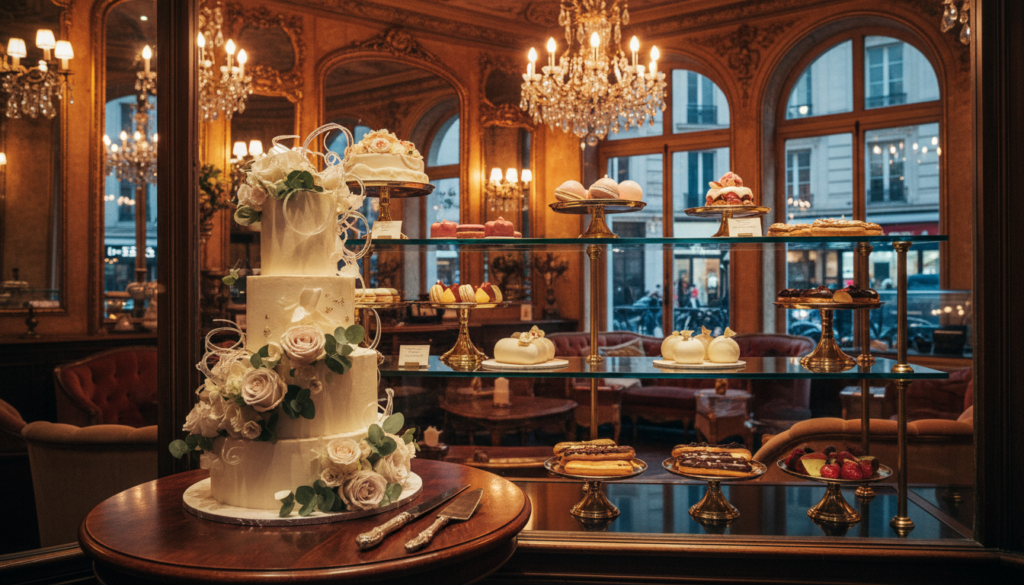
Special occasions call for special cakes, and Paris has many luxury cake boutiques for custom cakes. These shops offer more than just daily pastries. They create unique cakes that make your event unforgettable.
French celebration cakes are different from American ones. They focus on flavor complexity and sweetness, not just looks. Their elegant presentation makes them perfect for sophisticated events.
Here are some top gourmet cake shops Paris has to offer. Each excels in custom cake design, blending tradition with modern flair.
Sébastien Dégardin
Sébastien Dégardin combines old techniques with new looks. His cakes are perfect for modern celebrations, balancing taste and style.
Ordering custom cakes here means working with a team trained in French methods. They create designs that are both modern and authentically French.
His cakes have clean lines and architectural details. You won’t find too much fondant or sweet buttercream. Instead, expect high-quality ingredients and flavors that enhance your taste buds.
Pâtisserie Cyril Lignac
Cyril Lignac has many shops in Paris, offering a wide range of pastries and breads. His chausson aux pommes and pain viennois are especially loved.
His pastries and breads are always fresh and delicious. This skill is also seen in his custom cakes.
For special cakes, Pâtisserie Cyril Lignac is known for the Equinoxe entremet and chocolate cakes. The Equinoxe is famous in Paris, but opinions vary.
For custom orders, visit one of his main shops. Orders take 3-7 days, depending on the complexity and season. They can accommodate various dietary needs while keeping flavors sophisticated.
Hugo & Victor
Hugo & Victor is known for modern, artistic cakes. Their bold colors and geometric patterns make a statement. These cakes are perfect for contemporary celebrations.
Their flavors are innovative, yet stay true to French pâtisserie. You might find unique pairings like passion fruit with vanilla. These cakes appeal to those who love trying new things.
Ordering from Hugo & Victor means a collaborative process. They help you choose flavors, sizes, and designs. They turn your vision into a real cake, ensuring it meets Parisian standards.
Pricing is high, but reflects the quality and artistry. Order at least a week in advance, especially for weddings or large events.
Des Gâteaux et du Pain by Claire Damon
This shop focuses on both cakes and breads. Des Gâteaux et du Pain by Claire Damon has several locations in Paris. They offer a variety of baked goods, from seeded loaves to delicate tarts.
Claire Damon’s attention to detail is unmatched. Her shops, without seating, still offer high-quality treats. This is considered a top-tier shop in Paris.
Her chausson rhubarbe is a favorite among locals. It shows her dedication to refining traditional recipes. One bite will explain why it’s so sought-after.
Des Gâteaux et du Pain is great for turnovers and tartes. For bigger cakes, they apply the same care. You’ll work with chefs who value both skill and creativity.
Ordering custom cakes requires planning. They focus on quality over quantity, so they only take a few orders each week. Contact them at least two weeks before your event, especially during busy times.
When choosing from these famous Paris cake shops, remember French cakes focus on flavor. They use lighter buttercreams and natural fruit flavors. This makes them perfect for those who value taste over sweetness.
Pricing for custom cakes varies based on size and complexity. Expect to pay a premium for high-quality ingredients and expertise. Most shops require a 50% deposit upfront, with the balance due at pickup.
These best cake shops in Paris for custom and celebration cakes offer different styles. Your choice depends on your taste, budget, and what you want your cake to look like. Each shop brings exceptional skill to their work, making your cake a memorable part of your celebration.
Hidden Gem Cake Shops Off the Tourist Trail
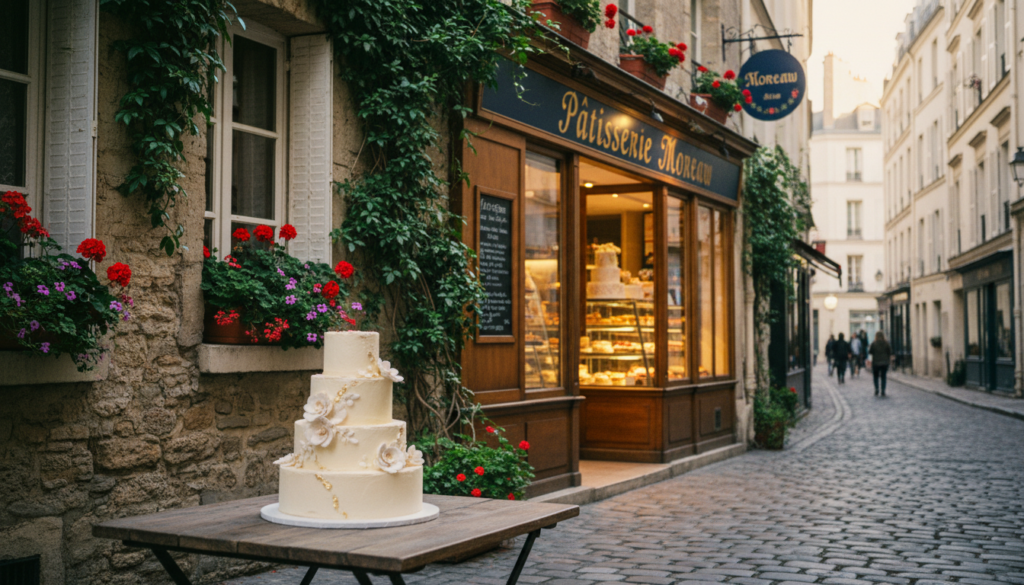
Exploring off the beaten path, you’ll find hidden gem cake shops. Here, passionate bakers create amazing pastries without the high prices. These spots offer real connections with locals, shorter lines, and prices that show the value of their craft.
The charm of these artisan cakes Paris offers is in their accessibility. While tourists wait in long lines, you can enjoy world-class pastries in a relaxed setting. These places are favorites for both daily treats and special occasion cakes.
These authentic French pastry shops capture the true spirit of Parisian baking. You won’t find crowds or high prices here. Instead, bakers know their customers by name and create pastries that honor tradition and innovation.
Mokonuts in the 11th Arrondissement
Mokonuts brings a fresh perspective to Parisian pastries. Located at 5 Rue Saint-Bernard in the 11th arrondissement, it combines French technique with global flavors. The pastries change with the seasons, reflecting what’s fresh at local markets.
The husband-and-wife team focuses on flavor and community over looks. Their cookies, like tahini chocolate chip and brown butter sage, are cult favorites. Morning pastries showcase perfect lamination and unique flavors that keep customers coming back.
Reach Mokonuts via Ledru-Rollin or Bastille metro stations. The cozy space fills up quickly during breakfast and lunch. Arrive early for a seat, and enjoy prices under €5.
Bontemps Pâtisserie in the Marais
Bontemps Pâtisserie is a small-batch bakery at 57 Rue de Bretagne in the Marais. Everything in the display case was made that morning. The attention to detail is evident in every layer of their croissants and entremets.
This shop balances classic French technique with modern twists. Their Paris-Brest has crisp choux pastry with airy praline cream. Fruit tarts feature seasonal produce and real vanilla and fresh berries.
“The best pastries don’t shout for attention—they whisper quality through every carefully crafted element.”
Take the metro to Temple or Filles du Calvaire to find Bontemps. The morning selection is impressive before the lunch crowd. Expect to pay €4-7 for individual pastries.
Yann Couvreur Pâtisserie
Yann Couvreur worked at top hotels before opening his own shops. His flagship at 137 Avenue Parmentier in the 11th arrondissement offers world-class pastries. The modern shop focuses on the beautiful creations in the display case.
His signature items show technical mastery with approachable flavors. The lemon tart and mille-feuille are legendary. Seasonal specialties highlight French ingredients, from strawberries in spring to roasted chestnuts in autumn.
The shop operates efficiently but warmly. Staff explain each pastry’s components and offer recommendations. With locations in the 10th and 20th arrondissements, you can try these artisanal French pastries in several areas.
Liberté Pâtisserie Boulangerie
Liberté Pâtisserie Boulangerie is known for consistency across Paris. They excel at breads, viennoiseries, and classic pastries. You won’t find avant-garde flavors here, but perfect French baking tradition.
Their pain aux chocolat raisins is exceptional, with fluffy layers that melt in your mouth. The lamination shows the bakers’ skill in fermentation and temperature control. Most customers grab their pastries to go, making it perfect for a morning treat.
Each Liberté location maintains high standards. You might find a limited selection at smaller outposts, but the quality is consistent. Prices are neighborhood-friendly, making it a good choice for daily pastries.
Beyond these spots, the 11th arrondissement has more treasures. Boulangerie Utopie offers a wide range of products and flavors, from sourdough loaves to creative éclairs. Their entremets showcase technical skill with smooth, creamy textures and balanced flavors.
For those willing to explore the 7th or return to the 11th, Tapisserie brings rustic elegance to French pastries. Created by the team behind Michelin-starred restaurant Septime, this bakery proves fine dining chefs understand pastry as well as savory cuisine. Their non-traditional Paris-Brest made with peanuts instead of hazelnuts challenges expectations while honoring French pâtisserie.
| Shop Name | Neighborhood | Specialty | Price Range |
|---|---|---|---|
| Mokonuts | 11th Arrondissement | Creative seasonal pastries with global influences | €3-€5 |
| Bontemps Pâtisserie | Marais (3rd) | Small-batch artisan classics with modern touches | €4-€7 |
| Yann Couvreur | 11th Arrondissement | Refined modern French pastries | €5-€8 |
| Liberté | Multiple locations | Perfectly executed viennoiseries and breads | €2-€5 |
These hidden gems offer authentic experiences for adventurous travelers. You’ll return home with stories of discovering a neighborhood bakery where locals welcomed you. The pastries taste better when they come with genuine connections and fair prices.
Vegan and Gluten-Free Cake Shops in Paris
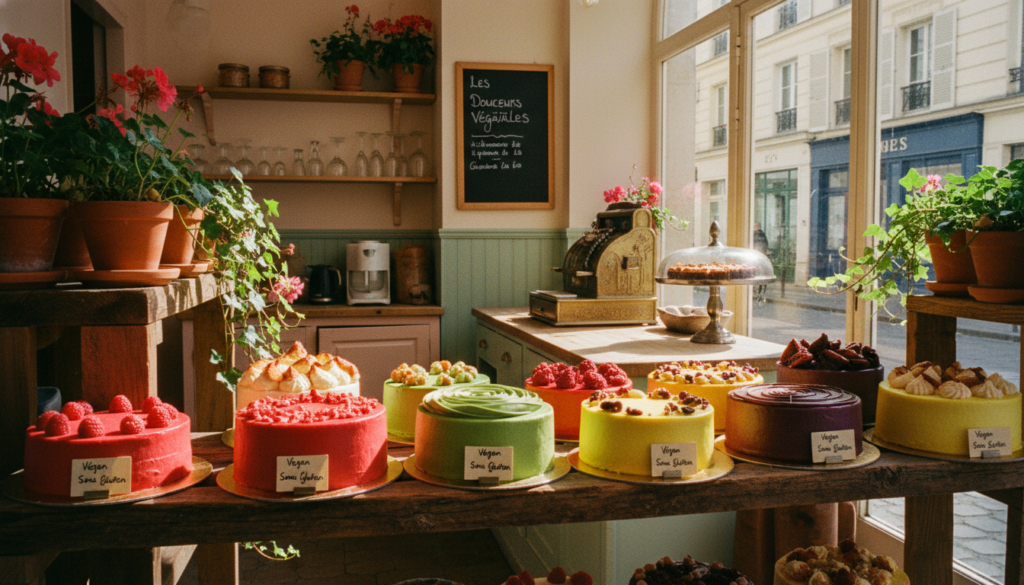
Dietary restrictions don’t mean missing out on Parisian treats anymore. Specialized cake shops in Paris offer amazing vegan and gluten-free pastries. They use plant-based and wheat-free ingredients to create delicious alternatives. These shops keep the artistry and flavor of French pastries alive.
These shops show that you can enjoy authentic taste without dietary restrictions. While textures might be different, talented chefs have found ways to make them satisfying. Expect denser textures in some items, but the flavors are rich and complex.
Plant-Based Excellence at a Pioneering Pâtisserie
VG Pâtisserie is a top spot for vegan French pastry in Paris. They make plant-based versions of classic treats that impress everyone. Chefs use ingredients like aquafaba and coconut cream to get the right texture.
Their vegan croissants are flaky, and their éclairs are creamy. Some pastries work better as vegan versions than others. Fruit tarts and chocolate-based treats often shine, while laminated doughs show the skill needed for plant-based baking.
The shop has daily pastries and custom celebration cakes. Prices are higher than usual, reflecting the quality of ingredients. VG Pâtisserie takes reservations for special orders, perfect for celebrations with dietary needs.
The Rice Flour Revolution
Chambelland Boulangerie led the way in gluten-free baking in Paris with rice flour. They’ve mastered making light, flaky pastries without wheat. Their gluten-free bread is famous for being light and not dense or crumbly.
They offer croissants, pain au chocolat, and seasonal tarts. Chambelland’s products have impressive texture, unlike common gluten-free stereotypes. Their rice flour puff pastry is layered and buttery.
Key offerings at Chambelland Boulangerie include:
- Daily baked gluten-free bread in multiple varieties
- Laminated pastries with crispy, flaky layers
- Seasonal fruit tarts with rice flour crusts
- Custom orders for special dietary needs
Modern Plant-Based Café Experience
Land & Monkeys offers vegan and gluten-free options in a modern café. They serve plant-based pastries and great coffee, perfect for breakfast or afternoon. Their approach is creative, blending traditional French pastries with new flavors.
They have unique items like matcha cheesecakes and grain-free brownies. The café is great for enjoying coffee and trying different treats. Land & Monkeys attracts a diverse crowd, from health-conscious locals to curious food enthusiasts.
The menu changes with the seasons, using fresh ingredients. Their vegan tarts and cookies show that dense textures can be flavorful. Weekend brunch has sweet and savory options for all diets.
Celebration Cakes Without Compromise
Helmut Newcake specializes in gluten-free cakes that look and taste amazing. They offer beautifully decorated celebration cakes and daily pastries for various diets. You won’t feel like you’re settling for less when you order from them.
Their expertise is in mixing alternative flours for the right texture and moisture. Their cakes are decorated like any traditional shop, with elaborate designs. Helmut Newcake offers both in-store and custom orders for weddings and events.
They’re known for chocolate fondant cakes, fruit-topped cheesecakes, and layered entremets. They clearly label ingredients, making it easy to find what you need. Prices reflect the quality and the effort put into each item.
Accessible Options Across the City
Copains has multiple locations in Paris, making gluten-free and vegan pastries easy to find. This chain specializes in both categories and has seating at most spots. Their gluten-free puff pastry is especially impressive, with delicate layers.
Some of their vegan tarts and cookies are denser, but the flavors are rich. Copains shows that quality options for dietary restrictions are becoming common in Paris. With many locations, you can find great pastries in different neighborhoods.
The best vegan and gluten-free pastries in Paris prove that restriction can inspire creativity, transforming alternative ingredients into genuine artistry.
When visiting these shops, be open to texture differences while appreciating the skill in creating delicious alternatives. The pastry chefs have mastered challenging techniques that honor French traditions while meeting modern dietary needs. You’ll find that Parisian treats can be enjoyed by everyone, no matter their dietary restrictions.
Best Neighbourhoods for Cake Shop Hopping in Paris
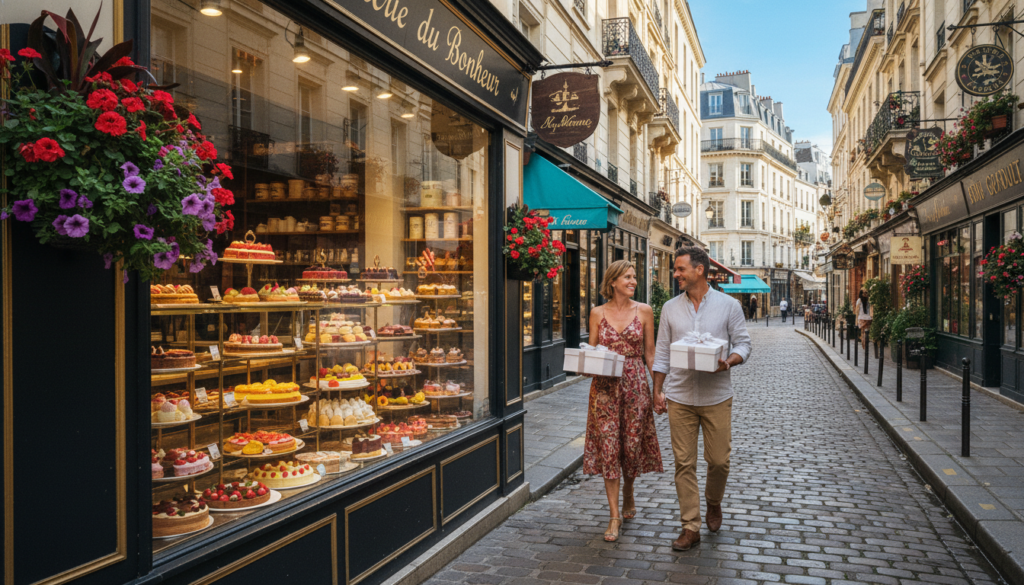
Paris has the best spots for cake lovers, with top pâtisseries close to each other. This makes it easy to try different kinds without getting tired. You can visit four to six amazing shops in one afternoon, enjoying each district’s unique vibe.
Each area in Paris has its own pastry style, showing off local traditions and new ideas. Knowing where to go helps you make the most of your paris food tourism trip. Some places have many top bakeries, perfect for exploring.
Classic Elegance on the Left Bank
The Left Bank is known for its classic Paris charm. You’ll find famous pâtisseries like Pierre Hermé and Ladurée near art galleries. The 6th arrondissement has Bread and Roses and Patisserie Tomo, offering a mix of French and modern pastries.
Walking around the Left Bank is like exploring culture and cake together. You can visit famous bookstores and enjoy your treats in Luxembourg Gardens. It’s a leisurely pace, perfect for enjoying the moment.
The 7th arrondissement adds more to your Left Bank adventure. Mori Yoshida, Tapisserie, and La Grande Épicerie de Paris offer luxury and creativity. Spend an afternoon here, enjoying the upscale atmosphere and amazing pastries.
Explore the Left Bank on weekday mornings to avoid crowds. Shops usually open between 8:00 and 10:00 AM, offering fresh treats before the afternoon rush.
Historic Diversity in the Marais
Le Marais and Rue de Rivoli mix old Jewish bakeries with new pâtisseries. The 3rd and 4th arrondissements have Christophe Louie and Patisserie Tourbillon, along with trendy spots. It’s a place of cultural variety in Paris.
The 1st arrondissement has its own treasures like Maxime Frederic at Louis Vuitton and Aki Boulangerie. These places show off Japanese-French fusion and classic techniques. You can try different pastry styles in just a few blocks.
Rue de Rivoli is a great walking route for visiting bakeries. The area is small, so you can see a lot without getting tired. The mix of old buildings and art galleries adds to the experience.
Visit Le Marais on Sunday afternoons for a local vibe. Shops here stay open, unlike in busier areas.
Village Charm in Montmartre
Montmartre has a village feel, with artistic heritage and charming pâtisseries. Places like Patisserie Gilles Marchal offer quality pastries despite the crowds. You’ll find authentic bakeries on quieter streets.
Walking in Montmartre is a workout, with cobblestone streets and stairs. It helps you enjoy your treats without feeling too full. This natural pacing is perfect for exploring.
The 9th and 10th arrondissements extend your Montmartre adventure. Mamiche and Du Pain et Des Idées offer more variety. You can create your own walking paths, mixing famous sites with hidden gems.
Best times to visit Montmartre are early morning or late afternoon. Avoid mid-day when it’s too busy. This way, you can enjoy the village atmosphere better.
Creative Energy in Eastern Districts
Bastille and Oberkampf are trendy areas with innovative pastry chefs. The 11th arrondissement has Boulangerie Utopie and Mokonuts, attracting locals. These places offer creativity and technical skill.
The area feels like real Paris, with locals enjoying weekend treats. You get to see how Parisians live, beyond just eating cake. It’s a cultural experience.
The 5th arrondissement has more to explore, like La Maison d’Isabelle and Le Boulanger de la Tour. These places add to your eastern Paris adventure. You can plan a full day of exploring different areas.
The 15th arrondissement and 2nd arrondissement offer alternative routes. Le Fournil de Vaugirard and Stohrer are hidden gems. These french dessert cafes are worth the trip.
Visit Bastille and Oberkampf on Saturday mornings for a lively market. You can enjoy your pastry tour and fresh market browsing together.
Multi-Pâtissier Destinations
Lafayette Gourmet and Fou de Pâtisserie offer a unique experience. They bring together pastries from top pâtissiers under one roof. You can try many styles without moving between neighborhoods.
Fou de Pâtisserie is a boutique featuring Paris’s best bakers. It’s great for comparing different pastries. However, the selection is limited compared to visiting individual shops.
Keep in mind that these places might not have everything available at original shops. They’re perfect for a quick taste of Paris’s pastry scene. You’ll get a good overview but miss out on some variety and atmosphere.
What Makes Parisian Cake Shops Stand Apart
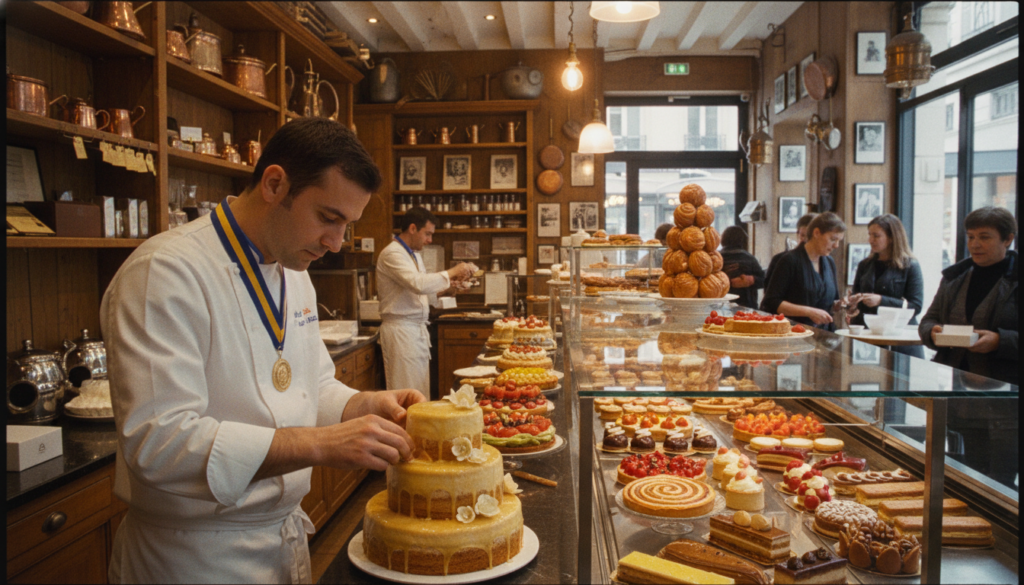
Parisian cake shops are different from others because of tradition, training, and art. When you enter a pâtisserie in Paris, you step into a world shaped by centuries of refinement. The pastries show not just creativity but also generations of knowledge passed down through apprenticeships.
Parisian cake shops stand out for several reasons. These factors create an experience you can’t find elsewhere. Knowing these differences helps you see why French pastry shops are so famous and expensive.
In Paris, even small shops have high standards. This shows France’s deep commitment to pastry-making. You’ll see this in everything, from the ingredients to how they’re presented.
The French Apprenticeship and MOF Tradition
To become a top pastry chef in Paris, you start with the CAP (Certificat d’Aptitude Professionnelle). This certification takes years of apprenticeship. Students work under master chefs, learning by doing.
The apprenticeship system ensures knowledge is passed down through generations. You learn not just how to make a croissant but also why. These details come from centuries of experience.
After the CAP, chefs aim for the Meilleur Ouvrier de France (MOF) title. This is the highest honor, given every four years to a few top craftspeople. Seeing the MOF badge means you’re looking at a master.
The MOF competition tests skills in making pastries. Candidates spend months preparing elaborate pieces. Judges, who are also MOFs, evaluate with very high standards.
This system means even non-MOF chefs are very skilled. French pastry-making standards are much higher than in other countries. This is why Parisian pastry chefs are so renowned.
| Certification Level | Duration | Key Focus Areas | Career Impact |
|---|---|---|---|
| CAP Pâtissier | 2-3 years | Fundamental techniques, dough work, cream preparation, basic decoration | Entry to profession, enables employment in bakeries and pastry shops |
| BTM (Brevet Technique des Métiers) | 2 years post-CAP | Advanced techniques, team management, recipe development, artistic skills | Qualification for supervisory roles and specialized positions |
| MOF (Meilleur Ouvrier de France) | Years of preparation | Mastery of all techniques, innovation, artistic excellence, competition performance | Highest professional recognition, enables opening prestigious shops and international reputation |
Seasonal Ingredients and Regional Terroir
Top Parisian pastry shops choose ingredients with care, like Michelin-starred restaurants. They pick butter from Poitou-Charentes or Normandy for its flavor. Each region’s terroir gives pastries unique tastes.
Seasonal ingredients guide the menu at these shops. In spring, you’ll find strawberry and rhubarb creations. Summer brings stone fruits and berries. Autumn offers chestnuts, pears, and apples.
This approach means you taste ingredients at their best. A June strawberry tart uses fresh strawberries, not imported ones. The flavor is amazing.
Flour selection is also key. Many chefs work with specific mills for different flours. The right flour is crucial for croissants or pâte sucrée. This shows the precision of French pastry-making.
Chocolate selection is about understanding origin and working with specific producers. Shops use Venezuelan or Madagascar cacao for unique flavors. These choices enhance the pastry’s taste.
Presentation as an Art Form
In French pastry philosophy, presentation is as important as taste. The pastries in Paris are designed to delight your eyes first. This shows the chef’s skill and creativity.
The perfect mirror glaze on an entremet shows control and technique. Decorations require years of practice. Color combinations are also carefully chosen for visual harmony.
This philosophy goes beyond decoration to the pastry’s construction. Layers in a mille-feuille should be even. A tarte should have clean edges and smooth filling. These details show the chef’s respect for their craft.
French pastry shops arrange their displays like museums. Each pastry is placed to show its best side. This presentation honors the chef’s work and builds anticipation.
Pastry chefs in Paris see themselves as artists, not just following recipes. They express their vision within traditional frameworks. This mix of innovation and tradition makes Parisian pâtisseries unique.
Understanding training, ingredient obsession, and artistic presentation reveals why Parisian cake shops are famous. You’re not just buying pastries. You’re experiencing centuries of expertise, high standards, and a deep commitment to craft.
Practical Tips for Visiting the Best Cake Shops in Paris
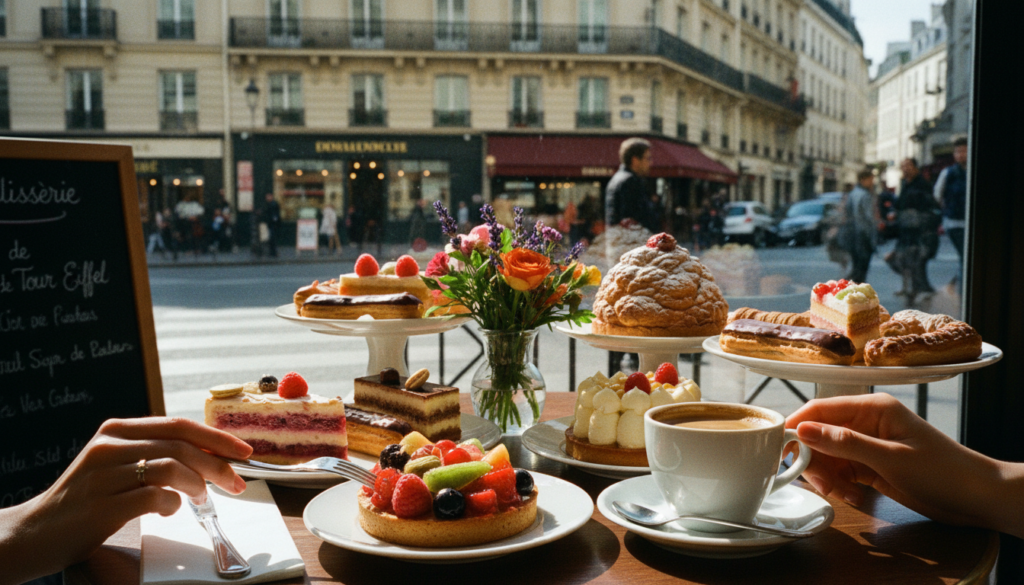
With the right tips, you’ll go from a confused tourist to a confident pastry lover. Navigating Paris’s top pastry shops requires planning. You’ll avoid crowds, understand local customs, and enjoy your sweet adventure.
This guide gives you insider knowledge for a successful pastry tour. You’ll learn when to visit, how to behave, what to order, and how to budget.
Best Times to Visit and Avoid Queues
Timing is key for a great cake tasting in Paris. Shops like La Maison d’Isabelle have long queues. But, smart planning can help you avoid them.
Visit early in the morning for two big advantages. You’ll find the shortest lines and the freshest pastries.
But, many shops bake all day. Afternoon visits between 2 PM and 4 PM can also get you fresh pastries with fewer people.
Saturday mornings are the busiest when locals shop. Weekday mornings from 10 AM to 11:30 AM are a sweet spot with fewer crowds and great choices.
The best times to visit and avoid queues are:
- Tuesday through Thursday mornings: Quietest days with full inventory
- Weekday afternoons (2-4 PM): Fresh afternoon batches, fewer tourists
- Sunday evenings: Avoid completely—most shops close early or entirely
- Monday mornings: Some establishments remain closed
Don’t let lines scare you. French bakeries move quickly, and queues go fast. Some famous shops always have lines, which are part of the real experience.
Smart strategies include visiting secondary locations of big brands or exploring lesser-known places. Some shops now offer online ordering or reservations to skip the wait.
Understanding French Pâtisserie Etiquette
Knowing French bakery etiquette helps you avoid awkward moments and shows respect. French bakeries have their own rules that differ from American ones.
The most essential rule: always say “Bonjour” when you enter. This is not optional in French culture—it’s required. Skipping this greeting is seen as rude, not just foreign.
Wait patiently in line. The French value orderly waiting. Rushing or looking impatient will get you disapproving looks.
Never touch the pastries or point at them with your finger. Instead, describe what you want or gesture to the area. The staff will help you find what you’re looking for.
Key etiquette guidelines include:
- Always say “Merci” and “Au revoir” when leaving, even if you didn’t buy anything
- Don’t expect samples or tastings—this isn’t common practice in traditional French pâtisseries
- Ask permission before photographing inside the shop, especially if capturing staff or other customers
- Keep voices low—French shops maintain a quieter atmosphere than American bakeries
Many pâtisseries have no seating or very little space. Be ready to take pastries to a nearby park or enjoy them while walking. While eating on the move isn’t traditionally French, it’s becoming more accepted in tourist areas.
Payment customs matter too. Many smaller shops prefer cash, though card acceptance is growing. Tipping isn’t expected in bakeries—your purchase price includes service.
When you’re overwhelmed by choices, ask for recommendations: “Qu’est-ce que vous recommandez?” The staff will appreciate your interest and suggest great options.
How to Order and What to Try First
Knowing how to order and what to try first makes your Paris cake tasting better. A few essential phrases and smart choices will enhance your experience.
Start with simple French phrases to communicate easily. “Je voudrais…” means “I would like,” and “C’est quoi, ça?” means “What is that?” These basics cover most ordering situations.
Begin with classic items like croissants or pain au chocolat. These basics set your taste buds up for more complex treats.
Ordering small items is okay and even encouraged. You don’t have to buy a whole cake—individual portions let you try different things.
Strategic first-order recommendations include:
- Start with a signature viennoiserie to assess the shop’s fundamental technique
- Progress to a seasonal tart showcasing fresh ingredients and pastry skill
- Try an entremet or mousse cake for complex flavor layers
- End with a macaron or petit four as a light finishing touch
Specify whether you want items boxed for later (“Pour emporter”) or to eat immediately (“Pour manger maintenant”). This affects how they’re packaged and presented.
If you have allergies or dietary restrictions, ask about ingredients: “Est-ce qu’il y a des noix?” (Are there nuts?). Staff can help you find safe options.
When visiting famous shops where you can only choose one or two items, pick their signature creations. These are what made them famous and justify the higher prices.
Don’t hesitate to ask for half portions or smaller sizes if available. Some shops can accommodate requests, especially for rich chocolate desserts where a full portion might be too much.
Budgeting for a Parisian Cake Tour
Budgeting for a Parisian cake tour means understanding the costs at different shops. Prices vary a lot across Paris’s pastry scene.
Pastries cost from €2-4 for simple viennoiseries to €8-12 for elaborate desserts. Celebrity pâtisseries charge more, with individual portions up to €20.
Du Pain et Des Idées costs almost twice as much as regular bakeries because of its high quality. High-end places like Ritz Paris Le Comptoir and Maxime Frédéric at Louis Vuitton also charge more.
A serious cake tasting tour can cost €50-100 per person in a day. The costs add up quickly when trying three to five items at each of four or five shops.
Smart money-saving strategies include:
- Mix famous and neighborhood shops—balance celebrity pâtisseries with excellent local bakeries
- Share items with companions—this multiplies variety while controlling costs
- Focus on each shop’s specialty rather than buying everything that looks appealing
- Treat pastries as meal replacements—a substantial pain au chocolat serves as breakfast
- Visit expensive shops for one signature item rather than multiple purchases
Remember, one exceptional pastry from a master pâtissier gives more joy than many average ones. Quality over quantity should guide your spending.
Save money by splurging on shops that truly deserve it. Spend less at less expensive places for everyday treats and save the premium spending for unique experiences.
Consider these budget tiers for planning:
| Budget Level | Daily Spending | Shop Selection | Sampling Strategy |
|---|---|---|---|
| Conservative | €20-30 | 2-3 neighborhood bakeries | One item per shop, focus on viennoiseries |
| Moderate | €50-70 | 3-4 mixed establishments | Two items per shop, include one celebrity spot |
| Enthusiast | €100-150 | 5-6 top-rated locations | Multiple items per shop, all premium destinations |
Carrying cash is helpful at smaller shops, though most now accept cards. Budget an extra 10-15% for potential café drinks or unexpected finds.
With smart planning, your Parisian cake tasting becomes affordable and focused on the best experiences. You’ll go from a confused tourist to a confident pastry explorer, enjoying these French culinary temples with ease.
Final Tips for Choosing the Right Cake Shop in Paris
Finding the perfect pastry in Paris starts with knowing what you love. If chocolate is your weakness, head to Jacques Genin or Patrick Roger. For a taste of classic French baking, try Pierre Hermé Paris or Ladurée Champs-Élysées. If you’re after something new and exciting, Yann Couvreur Pâtisserie or Hugo & Victor are your go-to spots.
Before you go, look up each shop’s famous treats. This way, you can focus on trying the best, not just anything. A student who tried 31 places learned that even famous spots have hidden gems. For example, Cyril Lignac’s chausson aux pommes might be a hit, while another might not impress.
Don’t just visit famous places. Also, explore local bakeries for a more authentic experience. They often offer great value and fewer crowds. Grouping your visits by neighborhood can also save time and let you see different parts of the city.
Remember, what tastes good is always up to you. Even if critics love a dessert, it might not be your favorite. Listen to your taste buds and choose places that make you happy.
Choosing five shops that really speak to you is better than rushing through many. Enjoying a simple croissant in a quiet spot can be more special than a fancy cake eaten on the go. Use these tips to plan a trip that matches your tastes and leaves you with sweet memories.
FAQ
What is the difference between a pâtisserie and a boulangerie in Paris?
A pâtisserie focuses on delicate, refrigerated items like layered desserts and cream-filled pastries. A boulangerie specializes in breads and other shelf-stable baked goods. Many shops in Paris offer both, with a wide range of items.
This knowledge helps you navigate Paris’s pastry scene better. It sets the right expectations for each type of shop.
Which Paris cake shop should I visit first if I only have time for one?
If you only have time for one, Pierre Hermé Paris is the best introduction to French pastry. It’s known for innovative flavors and impeccable technique.
Choose based on your interests. If you love chocolate, Jacques Genin is great. For modern, Instagram-worthy pastries, try Cédric Grolet Opéra.
What are the must-try pastries at Cédric Grolet Opéra?
At Cédric Grolet Opéra, try the trompe-l’oeil fruit pastries. They look like real fruits but taste amazing. The Paris-Brest is also exceptional.
Be prepared for long queues and high prices. Reservations or early arrival are key. The visual and taste experiences are worth it.
Are Ladurée macarons worth the hype and premium price?
Ladurée Champs-Élysées offers macarons that are historically significant. They’re known for their quality. Whether they’re worth it depends on your priorities.
If you value the experience, Ladurée is perfect. They offer a quintessential Parisian atmosphere. For innovative flavors, consider Pierre Hermé.
What should I order at Angelina Paris besides hot chocolate?
At Angelina Paris, try the Mont-Blanc pastry. It’s a classic dessert that’s been unchanged for over a century. It’s a taste of Belle Époque Paris.
The Mont-Blanc and hot chocolate together are the quintessential Angelina experience. Other items are available, but these two are essential.
Where can I find the best croissants in Paris?
Du Pain et des Idées in the 10th arrondissement offers the best croissants. They’re buttery and flaky. Blé Sucré also has excellent croissants.
Gérard Mulot and Liberté Pâtisserie Boulangerie are hidden gems. They offer exceptional croissants. Visit early for the freshest pastries.
What is the difference between a pâtisserie and a boulangerie in Paris?
A pâtisserie focuses on delicate, refrigerated items like layered desserts and cream-filled pastries. A boulangerie specializes in breads and other shelf-stable baked goods. Many shops in Paris offer both, with a wide range of items.
This knowledge helps you navigate Paris’s pastry scene better. It sets the right expectations for each type of shop.
What should I order at Angelina Paris besides hot chocolate?
At Angelina Paris, try the Mont-Blanc pastry. It’s a classic dessert that’s been unchanged for over a century. It’s a taste of Belle Époque Paris.
The Mont-Blanc and hot chocolate together are the quintessential Angelina experience. Other items are available, but these two are essential.
Where can I find the best croissants in Paris?
Du Pain et des Idées in the 10th arrondissement offers the best croissants. They’re buttery and flaky. Blé Sucré also has excellent croissants.
Gérard Mulot and Liberté Pâtisserie Boulangerie are hidden gems. They offer exceptional croissants. Visit early for the freshest pastries.
What is the difference between a pâtisserie and a boulangerie in Paris?
A pâtisserie focuses on delicate, refrigerated items like layered desserts and cream-filled pastries. A boulangerie specializes in breads and other shelf-stable baked goods. Many shops in Paris offer both, with a wide range of items.
This knowledge helps you navigate Paris’s pastry scene better. It sets the right expectations for each type of shop.
What should I order at Angelina Paris besides hot chocolate?
At Angelina Paris, try the Mont-Blanc pastry. It’s a classic dessert that’s been unchanged for over a century. It’s a taste of Belle Époque Paris.
The Mont-Blanc and hot chocolate together are the quintessential Angelina experience. Other items are available, but these two are essential.
Where can I find the best croissants in Paris?
Du Pain et des Idées in the 10th arrondissement offers the best croissants. They’re buttery and flaky. Blé Sucré also has excellent croissants.
Gérard Mulot and Liberté Pâtisserie Boulangerie are hidden gems. They offer exceptional croissants. Visit early for the freshest pastries.
What is the difference between a pâtisserie and a boulangerie in Paris?
A pâtisserie focuses on delicate, refrigerated items like layered desserts and cream-filled pastries. A boulangerie specializes in breads and other shelf-stable baked goods. Many shops in Paris offer both, with a wide range of items.
This knowledge helps you navigate Paris’s pastry scene better. It sets the right expectations for each type of shop.
What should I order at Angelina Paris besides hot chocolate?
At Angelina Paris, try the Mont-Blanc pastry. It’s a classic dessert that’s been unchanged for over a century. It’s a taste of Belle Époque Paris.
The Mont-Blanc and hot chocolate together are the quintessential Angelina experience. Other items are available, but these two are essential.
Where can I find the best croissants in Paris?
Du Pain et des Idées in the 10th arrondissement offers the best croissants. They’re buttery and flaky. Blé Sucré also has excellent croissants.
Gérard Mulot and Liberté Pâtisserie Boulangerie are hidden gems. They offer exceptional croissants. Visit early for the freshest pastries.
What is the difference between a pâtisserie and a boulangerie in Paris?
A pâtisserie focuses on delicate, refrigerated items like layered desserts and cream-filled pastries. A boulangerie specializes in breads and other shelf-stable baked goods. Many shops in Paris offer both, with a wide range of items.
This knowledge helps you navigate Paris’s pastry scene better. It sets the right expectations for each type of shop.
What should I order at Angelina Paris besides hot chocolate?
At Angelina Paris, try the Mont-Blanc pastry. It’s a classic dessert that’s been unchanged for over a century. It’s a taste of Belle Époque Paris.
The Mont-Blanc and hot chocolate together are the quintessential Angelina experience. Other items are available, but these two are essential.
Where can I find the best croissants in Paris?
Du Pain et des Idées in the 10th arrondissement offers the best croissants. They’re buttery and flaky. Blé Sucré also has excellent croissants.
Gérard Mulot and Liberté Pâtisserie Boulangerie are hidden gems. They offer exceptional croissants. Visit early for the freshest pastries.
What is the difference between a pâtisserie and a boulangerie in Paris?
A pâtisserie focuses on delicate, refrigerated items like layered desserts and cream-filled pastries. A boulangerie specializes in breads and other shelf-stable baked goods. Many shops in Paris offer both, with a wide range of items.
This knowledge helps you navigate Paris’s pastry scene better. It sets the right expectations for each type of shop.
What should I order at Angelina Paris besides hot chocolate?
At Angelina Paris, try the Mont-Blanc pastry. It’s a classic dessert that’s been unchanged for over a century. It’s a taste of Belle Époque Paris.
The Mont-Blanc and hot chocolate together are the quintessential Angelina experience. Other items are available, but these two are essential.
Where can I find the best croissants in Paris?
Du Pain et des Idées in the 10th arrondissement offers the best croissants. They’re buttery and flaky. Blé Sucré also has excellent croissants.
Gérard Mulot and Liberté Pâtisserie Boulangerie are hidden gems. They offer exceptional croissants. Visit early for the freshest pastries.
What is the difference between a pâtisserie and a boulangerie in Paris?
A pâtisserie focuses on delicate, refrigerated items like layered desserts and cream-filled pastries. A boulangerie specializes in breads and other shelf-stable baked goods. Many shops in Paris offer both, with a wide range of items.
This knowledge helps you navigate Paris’s pastry scene better. It sets the right expectations for each type of shop.
What should I order at Angelina Paris besides hot chocolate?
At Angelina Paris, try the Mont-Blanc pastry. It’s a classic dessert that’s been unchanged for over a century. It’s a taste of Belle Époque Paris.
The Mont-Blanc and hot chocolate together are the quintessential Angelina experience. Other items are available, but these two are essential.
Where can I find the best croissants in Paris?
Du Pain et des Idées in the 10th arrondissement offers the best croissants. They’re buttery and flaky. Blé Sucré also has excellent croissants.
Gérard Mulot and Liberté Pâtisserie Boulangerie are hidden gems. They offer exceptional croissants. Visit early for the freshest pastries.
What is the difference between a pâtisserie and a boulangerie in Paris?
A pâtisserie focuses on delicate, refrigerated items like layered desserts and cream-filled pastries. A boulangerie specializes in breads and other shelf-stable baked goods. Many shops in Paris offer both, with a wide range of items.
This knowledge helps you navigate Paris’s pastry scene better. It sets the right expectations for each type of shop.
What should I order at Angelina Paris besides hot chocolate?
At Angelina Paris, try the Mont-Blanc pastry. It’s a classic dessert that’s been unchanged for over a century. It’s a taste of Belle Époque Paris.
The Mont-Blanc and hot chocolate together are the quintessential Angelina experience. Other items are available, but these two are essential.
Where can I find the best croissants in Paris?
Du Pain et des Idées in the 10th arrondissement offers the best croissants. They’re buttery and flaky. Blé Sucré also has excellent croissants.
Gérard Mulot and Liberté Pâtisserie Boulangerie are hidden gems. They offer exceptional croissants. Visit early for the freshest pastries.
What is the difference between a pâtisserie and a boulangerie in Paris?
A pâtisserie focuses on delicate, refrigerated items like layered desserts and cream-filled pastries. A boulangerie specializes in breads and other shelf-stable baked goods. Many shops in Paris offer both, with a wide range of items.
This knowledge helps you navigate Paris’s pastry scene better. It sets the right expectations for each type of shop.
What should I order at Angelina Paris besides hot chocolate?
At Angelina Paris, try the Mont-Blanc pastry. It’s a classic dessert that’s been unchanged for over a