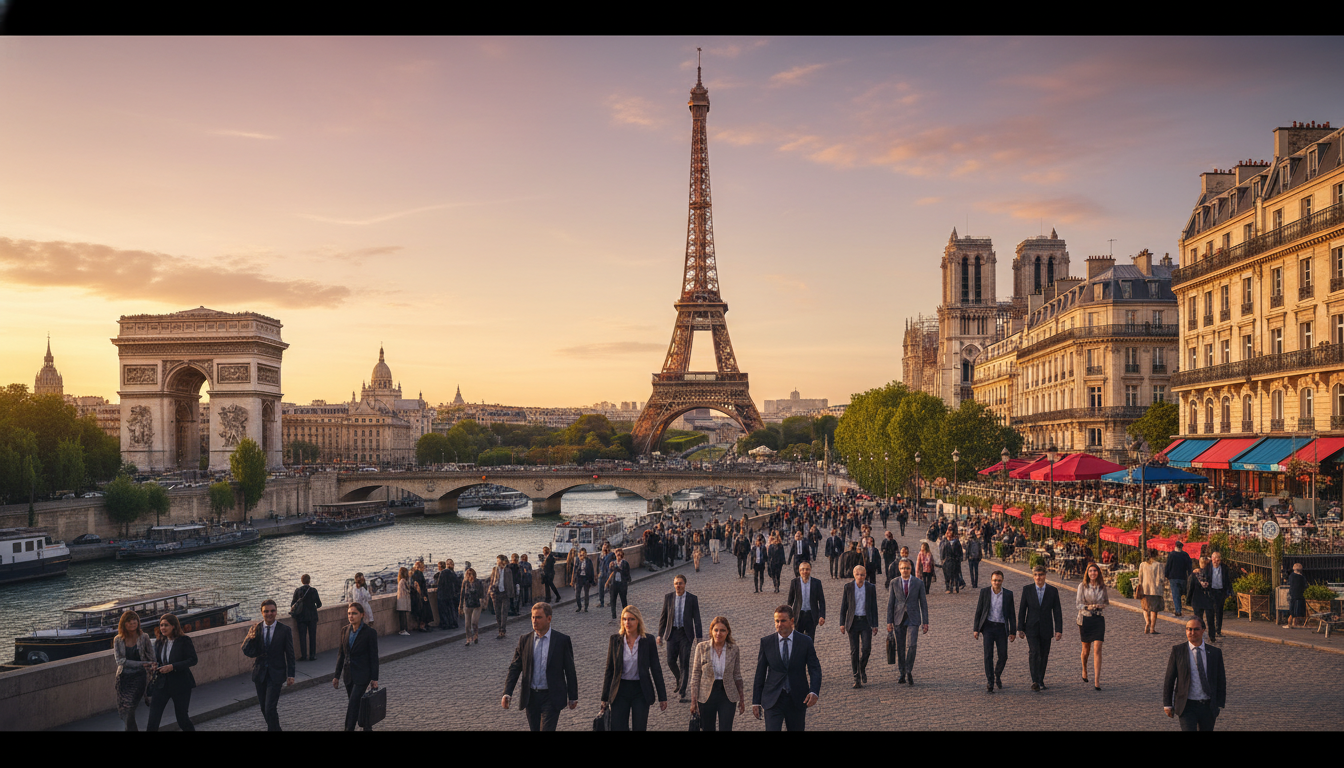
Over 30 million people visit this city each year—and many of them come for the skyline moments that stick with you long after a trip ends.
I write this as a practical, skimmable list to help you build an itinerary that feels like yours, not a box to tick. I’ll show how to group highlights so you walk less and soak in more.
You’ll learn which landmarks you can admire from the outside and which deserve a full visit. That choice saves time and money on a busy day, and it keeps the pace enjoyable.
Plan by neighborhood and you avoid zig-zags across town. I’ll lead with the top skyline icons, then add quieter streets, parks, and easy day trips that deepen the experience.
Key Takeaways
- Think neighborhoods first to save time and energy.
- You can spot many landmarks without going inside.
- This guide is a flexible list to build your own trip.
- Mix big sights with small, local moments for balance.
- Plan at least one classic day trip to round out your visit.
How to Use This List of Paris Landmarks for a Smooth Trip
This list is a planning tool: flexible, neighborhood-focused, and built to save you time. I want your days to feel easy, not overbooked. Use these notes to map a rhythm that fits your pace and your priorities.
Pick a pace that fits your days
I’ll help you match landmark density to realistic blocks of time. Some stops are 60–90 minute wins; others—like the big museums—can eat half a day if you let them.
Tip: Aim for one major visit per morning and leave afternoons for less structured exploring.
Group sights by neighborhood and arrondissement
Paris is split into 20 arrondissements. Staying or starting in Paris Centre (1st–4th) means many top spots are within walking reach.
Build walking-friendly clusters: Seine corridor, Louvre/Tuileries, Île de la Cité/Latin Quarter, and Eiffel Tower/Champ de Mars. This cuts transit time and gives you more moments to enjoy the city.
Plan for “must-see” moments plus time to wander
Pick a few non-negotiable landmarks, then schedule blank space for cafés, bookstores, or a random street that surprises you.
- Realistic pace: don’t cram everything into three days.
- Flexibility: lines and crowds happen—people wait; you can return another year if needed.
- Balance: mix big sights with small places and slow walking breaks.
Famous Attractions in Paris You’ll Want to Prioritize First
I suggest prioritizing one major viewpoint, one big museum, and one relaxed experience each full day. That simple rule keeps your pace easy and your memories clear.
Iconic skyline sights vs. inside visits
Some landmarks are best admired from a distance. Views from Sacré-Cœur, the Champs-Élysées axis toward the Arc de Triomphe, and many riverside spots let you soak the skyline without a long line.
Go inside when the payoff is unique: the Louvre’s galleries, the Eiffel summit, or Versailles’ state rooms. Those require time and focus; they reward you with details you can’t see from outside.
What to book ahead to save time
Booking timed entry can be game-changing. A timed ticket or skip-the-line entry turns hours of waiting into minutes.
- Get tickets early for the Eiffel summit, Louvre timed entry, Versailles, and Moulin Rouge shows.
- Decide last-minute for relaxed things: riverside wandering, neighborhood cafés, and short walks.
- One museum, one viewpoint, one cruise or classic experience often feels like a complete first visit to this world-class city.
“Book the hard-to-reach slots ahead—then leave room to discover your own streets.”
Eiffel Tower Views, Tickets, and the Best Photo Spots
Deciding whether to climb to the summit or stop at the second floor is the first real planning choice you’ll face at the eiffel tower.
Second floor gives sweeping city views with less wait and less time commitment. The summit rewards you with the highest vantage and a bragging-rights moment—but expect tighter queues and a longer visit.
Timed entry and skip-the-line strategies
Buy timed tickets whenever possible; they cut long lines and make your day predictable. Skip-the-line options often combine elevator access and priority entry—use them during peak season.
Best photo spots and the sparkle show
Trocadéro is the classic postcard angle. For softer, cinematic frames, walk the seine river banks; they give context and fewer selfie crowds.
Plan a two-visit mini-schedule: daytime photos from the river or Trocadéro, then return after dusk for the sparkle show that lights up every hour.
“Book a morning slot, then stroll the river—see the tower twice without turning it into a late-night ordeal.”

The Louvre Museum Highlights Beyond the Mona Lisa
The Louvre can feel like a city inside a building—so pick a path before you enter. I recommend seeing the mona lisa if it’s your first visit, but don’t let her headline your whole day.
Must-see masterpieces
Start with the core three: mona lisa, venus milo, and the Winged Victory of Samothrace. Each is iconic, yet they sit in very different rooms—so plan your route to hit them efficiently.
How to tackle a huge museum without burnout
Choose 2–3 collections that truly interest you. Walk those galleries slowly, take a café break, and quit before you hit museum fatigue.
Guided tour vs. timed ticket
A guided tour gives history, shortcuts, and context—great if you want stories and savings on time. A timed ticket works if you prefer wandering solo and have a clear list.
What to expect with crowds and security
Expect lines and bag checks; early slots mean fewer visitors and calmer galleries. Show up with a plan, breathe, and remember: one focused visit can still feel complete.
“See the big names, then let smaller rooms surprise you.”
Notre-Dame Cathedral and Île de la Cité Essentials
Standing on Île de la Cité, Notre-Dame still feels like the city’s emotional center—an easy first stop for any visit. It sits at the literal heart paris, so a short visit often becomes the memory that shapes your day.
Best viewpoints from the Seine River
Walk the Left Bank along the seine river for the clearest view of the façade and flying buttresses. A riverside angle shows scale without the crush of crowds.
For photos, stand slightly downstream so the light hits the stone—then wander the quays for quieter vantage points.
How reservations and guided exterior tours can help
Notre-Dame reopened after the 2019 fire and now uses free advance booking to manage visitors. Claiming tickets via the cathedral’s site is straightforward and often spares a long wait.
A guided exterior tour is worth it if you want the carvings and Gothic details decoded; guides bring the history to life in 30–45 minutes.
“See it from the river, book a free slot, then let the nearby Left Bank streets finish the story.”
Seine River Cruise Options for Daytime, Sunset, or Dinner
A river cruise can feel like a gentle city orientation—perfect for your first few hours here. I find it to be a low-effort, high-payoff move when you’re jet-lagged or short on time.
“Book a sunset slot if you can—golden light and quieter decks make the views unforgettable.”
Classic one-hour ride vs. lunch and dinner options
The classic one-hour river cruise is budget-friendly and quick. It shows you the layout and major sights without a long commitment.
Lunch and dinner cruises take longer and add a meal service. Choose them for special occasions or when you want a relaxed evening.
What you’ll see from the water
From the boat you pass bridges, museums, and grand façades. Expect views of Notre-Dame, Musée d’Orsay, and the riverbanks that hold the bouquinistes.
Where to board near the Eiffel Tower
Most departures gather near the eiffel tower docks. Time your arrival so you board without rushing—plan 20–30 minutes extra for tickets and seating.
A great tip for first-timers
It’s a good idea to pair a cruise with a riverside walk after. The cruise orients you; the walk lets you explore at street level—cafés, bookstalls, and calm quays make a perfect follow-up.

Musée d’Orsay for Impressionists and Van Gogh Favorites
If you want world-class Impressionists without getting overwhelmed, this museum is the sweet spot.
I recommend it when you crave great art but don’t have a full-day to spare. The layout is compact and easy to follow, so you see highlights quickly.
Why it feels easier than larger museums
The former train station is part of the charm—big clocks, high ceilings, and light-filled halls. That setting makes the visit feel graceful, not heavy.
Must-see works and rooftop views
Prioritize Impressionist masters and key Van Gogh pieces; they still draw clusters of visitors, so arrive early if you can.
Don’t skip the terrace: the view across the Seine and toward the skyline is a small, lasting moment.
| Feature | Musée d’Orsay | Louvre |
|---|---|---|
| Average visit length | 2–3 hours | 4+ hours |
| Layout | Straightforward, single building | Vast, multiple wings |
| Highlights | Impressionists, Van Gogh, architecture | Classical masters, broad collections |
“Pick one wing and savor it—quality over quantity makes the best museum days.”
Arc de Triomphe Rooftop Views and Champs-Élysées Strolls
The Arc de Triomphe offers one of the clearest 360° views to understand how the city’s avenues stitch together. Commissioned in 1806, it sits in a hectic traffic circle—so safety matters more than you might expect.
Getting there and entering safely
Use the pedestrian tunnel under the roundabout to reach the monument. Don’t try to cross the traffic; thousands of people pass through the circle every day, and the tunnel is fast and obvious.
Observation deck tickets and best times
Tickets are inexpensive and worth the short wait. Buy a timed ticket if you can; mornings give clearer light for photos, while late afternoon gives warm tones and early city lights.
Tomb of the Unknown Soldier and what to look for
At the base you’ll find the Tomb of the Unknown Soldier and the eternal flame, relit each evening. Take a quiet moment—this is living history, not just a photo stop.
| Tip | Why it matters | When to do it |
|---|---|---|
| Use tunnel | Safe and quick access | Anytime |
| Buy timed tickets | Skip lines, plan your day | Morning or late afternoon |
| Pair with a stroll | Champs-Élysées cafes and views | After the visit |
“Climb up for the view, then walk down the avenue—it’s a full-day mood, not an errand.”
Montmartre, Sacré-Cœur, and the Moulin Rouge Experience
Montmartre captures a particular Paris mood—hilltop views, narrow lanes, and an easy creative buzz. I set this neighborhood up as the spot for charm, views, and a little organized chaos that makes a trip feel like a story.
Walking routes for streets, steps, and city overlooks
Choose a route based on your energy: a gentle lane loop, a stair-heavy climb, or a scenic circuit that ends at Sacré‑Cœur for a sweeping city view. Each option keeps walking simple and rewarding.
Tip: slip one block off the main tourist streets to find quieter corners and better photo moments.
Local flavor: cafés, small art spots, and people-watching
Montmartre rewards slow time. Pop into a small gallery, sit at a corner café, and watch local life unfold. Those pauses are the real highlights—more so than ticking off every postcard stop.
Moulin Rouge tickets, showtimes, and planning your night
Moulin Rouge runs shows at 9 pm and 11 pm; I recommend booking tickets ahead to avoid last-minute stress. Factor transit and a pre-show dinner into your schedule so you arrive relaxed.
If you’re deciding, here’s a quick choice: cabaret night at the Moulin Rouge or an early-evening overlook at Sacré‑Cœur. Both capture a distinct part of the city mood—pick what fits your budget and energy for the evening.
“Montmartre is less about checking boxes and more about letting the streets lead you to small surprises.”
Latin Quarter Charm, Shakespeare and Company, and Left Bank Wandering
The Latin Quarter feels like a layered map of the city’s oldest stories—Roman foundations, medieval lanes, and university courtyards that still hum with student energy.
Skip the busiest pedestrian strips. Instead, favor quieter side lanes, small churches, and tucked-away squares where the past sits comfortably beside everyday life.
What to see beyond the main streets
Look for alleys with old bookshops, tiny bakeries, and courtyards that reward a slow pace. These are the places where you stumble on a view or a café and stay longer than planned.
Shakespeare and Company as a classic stop
Shakespeare and Company is more than a bookstore—it’s a ritual for readers. Pop in, browse the stacked shelves, and let the place pull you into a quiet pause.
Practical tip: Keep your walking relaxed. Avoid the most crowded blocks so your stroll feels restorative, not rushed.
- Pair this neighborhood with a riverside walk to reconnect with the Seine and the rest of the city.
- No strict plan needed—this area rewards curiosity and unhurried exploration.
| Feature | Why it matters | Best time |
|---|---|---|
| Quiet lanes | See older layers of the city | Morning or late afternoon |
| Small churches & courtyards | Intimate, less crowded places | Anytime |
| Shakespeare and Company | Literary ritual and browsing | After a riverside stroll |
“Wander slowly—these are the streets that reward curiosity.”
Luxembourg Gardens for a Relaxing Paris Afternoon
A short stop at Luxembourg Gardens turns a frantic schedule into a pleasant, restorative pause. When your morning has been museum-heavy, I recommend taking a clear hour to breathe and reset.
Best things to do: chairs by the fountain, statues, and easy strolling
Grab one of the classic green chairs and sit by the pond or near the Medici Fountain. The gardens invite slow people-watching and light reading.
Wander past the many statues and let your pace be gentle. You don’t have to see everything—spot a few pieces, then sit again.
- Sit: claim a chair and watch the world for ten to sixty minutes.
- See: short loops past fountains and bronze statues.
- Stroll: gentle paths that feel like a mini break in the city.
Why it’s a smart break between museums and monuments
It’s central, calm, and quick to fold into a larger route—Latin Quarter → Luxembourg → Saint‑Germain vibes. This park makes the rest of your day more sustainable by giving you quiet time to recharge.
“Give yourself permission to do nothing here for an hour—it’s one of the most Parisian things you can do.”
Versailles Palace Day Trip for Royal History and Gardens
A day at Versailles is a full-commitment experience — plan it like a short expedition, not a quick stop.
Hall of Mirrors, grand apartments, and King Louis XIV context
Start inside with the Hall of Mirrors and the State Apartments. With 700+ rooms, the palace shows why King Louis built such scale: power, ritual, and display.
See the gold, the paintings, and then pause. A few rooms give real context to the court life and the political history that shaped Europe.
Gardens, fountains, and statues worth budgeting time for
The formal gardens are not an add-on; they need hours. Fountains and broad avenues lead to hidden groves and many classical statues.
Bring comfortable shoes and leave room to wander; the views between fountains feel cinematic.
Marie Antoinette’s Petit Trianon and the Hamlet
For a softer pace, visit the Petit Trianon and the Hamlet. This area reveals a private side of royal life and often becomes the memory that stays with you.
Getting there: train vs. guided tours with transport
Trains are cheap and simple if you travel light. Guided tours with transport add convenience and often faster security lines, but cost more.
Timed tickets and security lines: avoid losing hours
Buy timed tickets and aim for the earliest slot. Security remains, so plan extra time and realistic expectations.
“Do Versailles or another huge museum in one day—doing both back-to-back is a lot.”
- Tip: early entry + a garden plan = a much better trip.
- Choice: pick a guided tour if you want ease; take the train if you want flexibility.
Monet’s Gardens in Giverny for Art, Beauty, and a Scenic Escape
If you want a day that feels like stepping into a painting, head northwest to Giverny. It sits about 50 miles (80 km) from the city and offers a softer, slower counterbalance to busy streets.
What you’ll recognize from Monet’s canvases
The Japanese bridge, the willow-framed pond, and the floating water lilies appear exactly as in the famous works. Walk the paths and you get the same color notes and light shifts that made Monet keep painting.
How to get there and what to book
Take a train to Vernon, then a short shuttle or taxi into Giverny—simple and calm. Buy timed tickets ahead; that right ticket at the right time keeps the visit relaxed and avoids long waits.
- Why go: gardens + art in one peaceful setting.
- Travel: train to Vernon, then shuttle or taxi.
- Plan: this is a day trip; allow a half to full day for slow wandering.
| Item | Typical Duration | Booking Tip |
|---|---|---|
| Gardens & Water Lily Pond | 1.5–2 hours | Timed tickets recommended |
| Monet’s House | 45–60 minutes | Arrive early for smaller crowds |
| Travel (Paris–Giverny) | 1.5–2 hours each way | Train to Vernon, shuttle or taxi from station |
“This is the kind of day that makes you remember why you traveled.”
Hidden-Gem Paris: Canal Saint-Martin, Le Marais, and the Bouquinistes
If you want a personal slice of the city, aim for a day that mixes a gentle waterwalk, boutique browsing, and a riverside souvenir hunt.
Canal Saint-Martin for a quieter side
I love Canal Saint‑Martin for its calmer vibe. Located in the 10th arrondissement, it’s perfect for slow walking, waterside cafés, and a relaxed start to the day.
A short stroll or a small boat cruise link can connect you back toward the Seine. This is the kind of place where you sit and watch the city breathe.
Le Marais streets: boutiques, history, and neighborhood feel
Le Marais spans the 3rd and 4th arrondissements and balances old and new. Narrow streets hold independent boutiques, galleries, and lively cafés.
Walk without a strict plan. Graze at markets, peek into courtyards, and let the architecture and local rhythm do the work.
Seine riverside bookstalls as a unique souvenir stop
The bouquinistes along the Seine have sold books and collectibles for about 300 years. They’re a heartfelt alternative to a typical souvenir shop.
End your day by the river at golden hour—pick a small find, breathe the view, and you’ll leave with something that feels true to the heart of the city.
“These aren’t the one famous photo stops—these are the quiet places most people remember.”
Conclusion
Wrap up your trip by choosing a few anchors and leaving room for the small discoveries that make a visit feel personal.
I recommend one big view (Eiffel or Arc), one major museum (Louvre or Orsay), one classic cruise on the Seine River, a neighborhood day (Montmartre, Latin Quarter, or Le Marais), and one flexible day trip if you have it.
Book the handful of tickets that truly need them, but keep most of your schedule loose. That saves time and keeps the day open for unexpected places and quiet moments.
Paris is a world city you can revisit. Choose the landmarks and places that match your style, save the rest for next time, and let your visit feel like a story, not a sprint.
FAQ
How should I pace my days to make the most of the top sights?
I suggest mixing one major visit (like the Louvre or Versailles) with lighter activities—strolls, a garden break, or a Seine River cruise. That balance keeps energy up and helps you enjoy places rather than rush through them.
What’s the best way to group landmarks for efficient travel?
Group by neighborhood and arrondissement. For example, do the Eiffel Tower, Trocadéro, and a Seine cruise in one half-day; keep the Latin Quarter, Notre-Dame area, and Île de la Cité together another day.
Which sights should I book ahead to save time?
Book timed tickets for the Eiffel Tower summit, the Louvre, Musée d’Orsay, and Versailles. Dinner cruises and Moulin Rouge shows also sell out—reserve those in advance.
Should I go up to the second floor or the summit of the Eiffel Tower?
If you want sweeping views without the longest lines, the second floor is a great choice. For the full thrill and highest panorama, book summit access—but expect extra time and slightly higher cost.
Where are the best photo spots for the Eiffel Tower?
Trocadéro gives the classic wide shot; the Seine riverbanks near Pont d’Iéna offer reflections and less crowding; Champ de Mars is good for picnic-style views and evening sparkle photos.
How do I see the Eiffel Tower sparkle after dark?
The Tower sparkles for five minutes at the start of each hour after sunset. Find a clear view from Trocadéro or the riverbank, arrive 10–15 minutes early, and enjoy the countdown.
What should I prioritize at the Louvre beyond the Mona Lisa?
Don’t miss the Venus de Milo, Winged Victory (Nike), and the Egyptian antiquities. Pick a wing or theme—Italian masters, Greek sculpture, or decorative arts—so you focus and avoid burnout.
Is a guided tour of the Louvre better than a timed ticket?
If you want context and curated highlights, a guided tour adds value. A timed ticket works if you prefer exploring at your own pace with a map or audio guide.
How can I handle crowds and security at major museums?
Arrive early, use timed-entry tickets, and travel light to speed security checks. Weekday mornings are usually quieter than weekends.
Can I get good views of Notre-Dame from the Seine?
Absolutely—boat cruises and riverbank walks give lovely façades and spire views. Since the interior is limited post-fire, exterior and Île de la Cité walks are excellent alternatives.
Where should I board a Seine River cruise near the Eiffel Tower?
Several companies board from the docks near Pont d’Iéna and the base of the Eiffel Tower. Check departure maps and arrive 15 minutes early for seating and boarding.
Is a daytime, sunset, or dinner cruise best for first-timers?
A sunset cruise strikes a nice balance—soft light, fewer crowds than daytime, and you can see monuments light up. Dinner cruises are memorable but pricier and more formal.
How is Musée d’Orsay different from the Louvre?
Musée d’Orsay focuses on 19th- and early-20th-century art—Impressionists and Van Gogh—housed in a converted train station, which feels more intimate and easier to navigate than the vast Louvre.
What’s the safest way to reach the Arc de Triomphe and its rooftop?
Use the pedestrian underpass at Place Charles de Gaulle to avoid the busy roundabout. Buy rooftop tickets online or at the site; mornings and late afternoons usually offer clearer views with fewer visitors.
What should I see at the Arc besides the view?
Visit the Tomb of the Unknown Soldier and watch for the eternal flame. The monument’s bas-reliefs and historical exhibits in the small museum are worth a quick stop.
How can I explore Montmartre without getting lost on steep streets and steps?
Follow a simple walking route: start near Abbesses metro, wander cafés and art stalls, climb to Sacré-Cœur for the panorama, then meander back through Place du Tertre’s art scene. Wear comfortable shoes.
Are Moulin Rouge shows worth planning into the evening?
If you enjoy classic cabaret and theatrical costuming, the Moulin Rouge is an iconic night out. Book tickets and transport ahead—shows start late and the area fills up quickly.
What makes the Latin Quarter special beyond main tourist streets?
Small lanes, bookshops like Shakespeare and Company, and university heritage give the area a lived-in, literary vibe. I like to wander side streets for cafés and hidden courtyards.
How can Luxembourg Gardens fit into a museum-heavy day?
It’s a perfect mid-afternoon rest—grab a chair by the fountain, see the statues, and refresh before another gallery or monument. The gardens are peaceful and centrally located.
What are the must-see parts of Versailles on a day trip?
Inside, prioritize the Hall of Mirrors and the royal apartments. Outside, give time to the grand gardens, fountains, and Marie Antoinette’s hamlet. Consider a guided tour with transport if you want smoother timing.
How do I get to Monet’s gardens in Giverny from the city?
Take a train to Vernon and then a short bus or taxi to Giverny. Book entry tickets ahead for peak season to avoid lines and ensure access to the famous water-lily scenes.
Where can I find quieter, local neighborhoods away from the main routes?
Canal Saint-Martin offers a peaceful vibe; Le Marais mixes boutiques and history; the bouquinistes along the Seine are charming for books and small souvenirs. These spots feel more authentic than the busiest corridors.