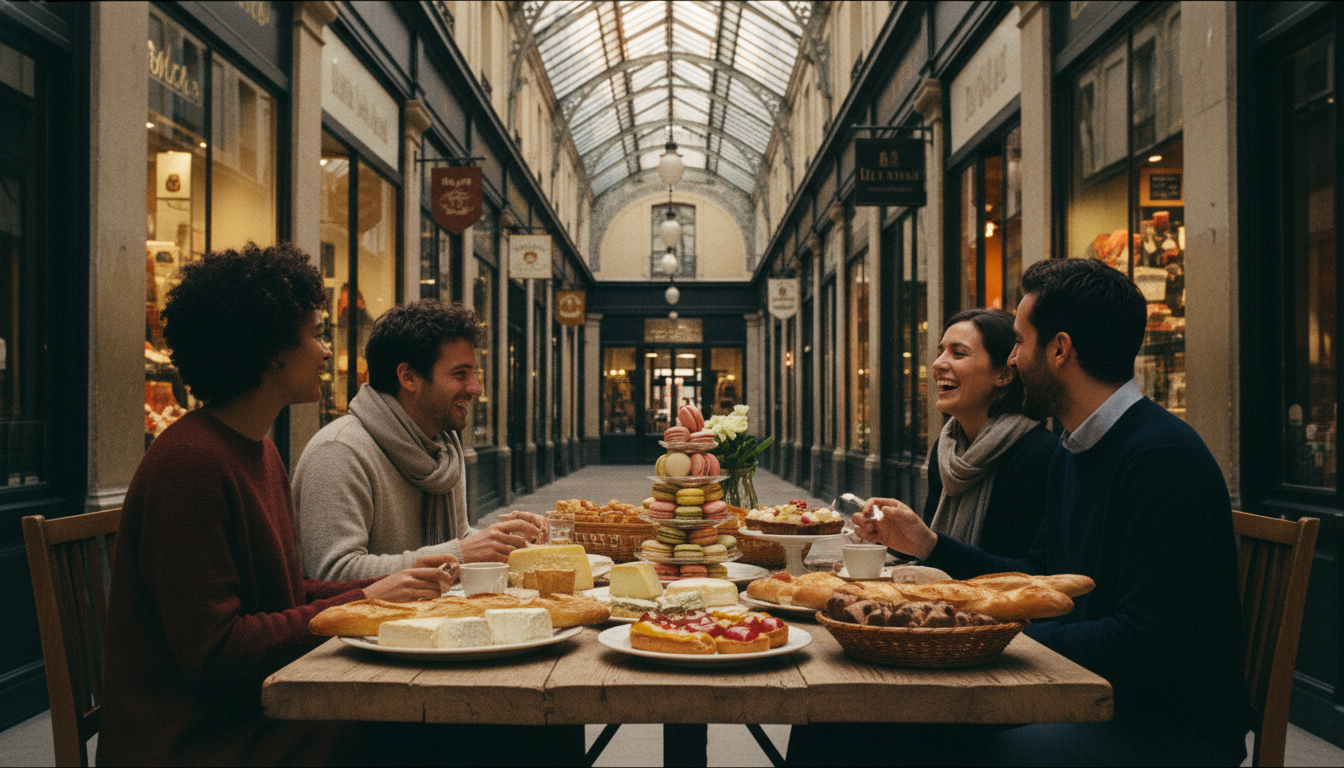
Imagine walking through old cobblestone streets where authentic Parisian food experiences are hidden. These paris culinary walking tours lead you to secret spots and hidden arcades where locals eat.
You’ll find family bakeries, cheese shops, and bistros in narrow alleys of Le Marais, Montmartre, and Saint-Germain-des-Prés. Each tour is 3-4 hours long with groups of 10-12 people.
These hidden alley food tours in paris mix food with history and architecture. You’ll see artisan chocolatiers, butchers, and wine bars using old techniques. Many places are in 19th-century covered passages that offer a cozy feel.
Your guide will share a “Secret Dish” at each stop, places unknown to most tourists. This journey lets you experience real Parisian culture by exploring neighborhoods, not just restaurants.
Key Takeaways
- Culinary walking tours last 3-4 hours with small groups of 10-12 participants for personalized experiences
- Tours focus on neighborhoods like Le Marais, Montmartre, and Saint-Germain-des-Prés rather than individual restaurants
- You’ll visit family-run establishments in covered passages and unmarked courtyards known only to locals
- Each tour includes multiple stops at bakeries, cheese shops, bistros, and artisan producers
- Guides reveal “Secret Dishes” and provide historical context about each tasting location
- Tours combine food with architecture, history, and cultural immersion for a complete sensory experience
What Makes Hidden Alley Food Tours in Paris Unique
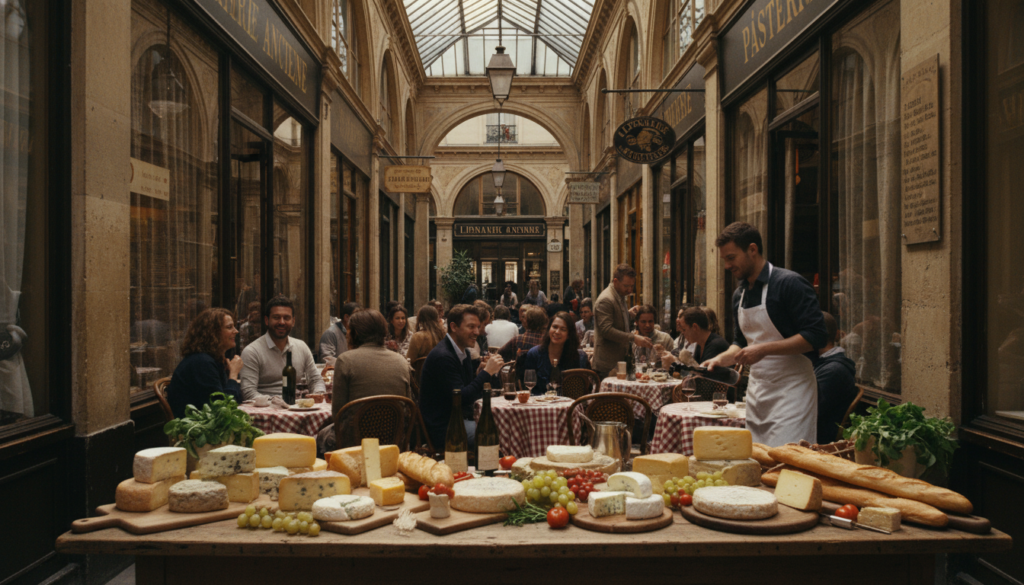
Exploring Paris through hidden alleys is magical. You discover secret passages where local food culture thrives, untouched by tourists. These food tours in Paris are different from just visiting famous cafés. You enter a world where old architecture hides authentic spots for locals, not tourists.
Three things make these tours unique. The old architecture creates a cozy feel that modern streets can’t match. The hidden spots ensure authenticity. And, the personal connections with local vendors make tastings feel like real cultural exchanges.
Discovering Paris’s Architectural Food Heritage
Paris has a network of passages couverts—covered arcades from the 18th and 19th centuries. These arcades, like Galerie Vivienne, house specialty food shops that have been around for generations. They have mosaic floors, ornate ironwork, and skylights, making them feel like a village in the city.
Hidden courtyards, like the Cour du Commerce in Saint-Germain-des-Prés, have small cafés hidden from main streets. You’ll find secret passages through unmarked doors that even Baron Haussmann missed. Tour guides know which doors lead to secret spots that food lovers cherish.
The design of these passages limits foot traffic, keeping them away from tourists. Only those who know about them will find them. This keeps the places authentic, away from tourist crowds.
Experiencing Genuine Local Food Culture
Hidden culinary experiences in Paris are truly authentic. Places in narrow alleys serve locals mainly because tourists don’t find them. The quality is high because locals value reputation over attracting tourists.
You’ll get proper portions that show French eating habits, not what tourists expect. Menus focus on seasonal ingredients from local markets, not international suppliers. Traditional cooking methods are kept because there’s no need to change for foreign tastes.
Places like Maison Eric Kayser make famous breads with secret flour mixes developed over decades. These artisans make products for locals who know quality. The difference is clear when you taste their bread compared to what you find near landmarks.
Boutique food tours in areas like the Latin Quarter give access to spots where famous chefs shop. You’ll visit the same bakers, butchers, and cheese makers that Michelin-starred restaurants use. This shows why hidden spots maintain such high standards.
Building Relationships with Artisan Food Makers
What makes hidden alley tours special is the personal touch. Tour operators build trust with shop owners over years, getting special access for their guests. You’re treated like a friend, not just another customer.
Family-run places with generations of experience are common in these hidden spots. Owners share their craft’s stories, showing dedication that visitors rarely see. A chocolatier might show how to temper chocolate, while a fromager talks about cheese aging.
Specialty shops like Ma Collection in Saint-Germain feature unique food products from around Paris and beyond. The owner personally selects items based on quality and story. This creates a collection you can’t find anywhere else.
Bakers teach you how to choose the right baguette, explaining texture, crumb structure, and freshness. These lessons turn simple purchases into educational moments. You learn not just what to buy but why it matters and how to recognize quality yourself.
Local artisans appreciate small groups interested in their work. The intimate setting allows for questions and conversations that are hard in busy stores. You might also get tips on other hidden spots, expanding your network of authentic sources.
These connections create unforgettable experiences that go beyond just eating. You’re part of traditions that define Parisian food culture at its core. The bonds formed between guides, artisans, and guests turn simple tastings into meaningful cultural exchanges, revealing Paris’s true culinary soul.
Best Neighborhoods for Hidden Alley Food Tours
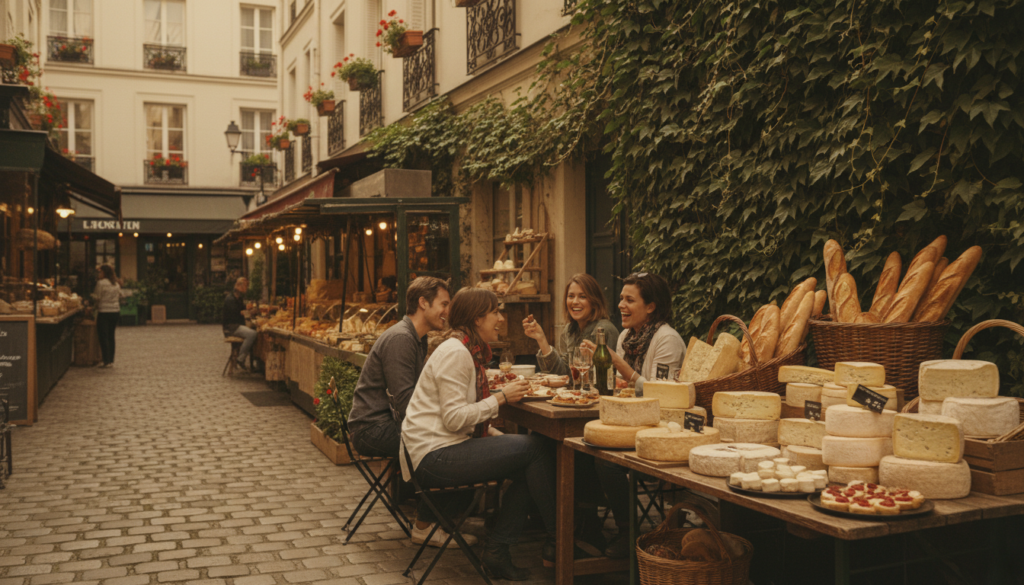
Paris has many hidden food spots, from medieval lanes to multicultural backstreets. Each area has its own food story. Your choice of neighborhood shapes your food tour experience.
These neighborhoods offer more than great food. They have unique architecture, history, and local vibes. Despite urban changes, they kept their street layouts and food cultures.
Knowing what makes each area special helps pick the right tour. Some focus on French food, others on international flavors. The area’s history and geography influenced its food scene.
| Neighborhood | Signature Foods | Hidden Features | Best For |
|---|---|---|---|
| Le Marais | Falafel, challah, babka, traditional French delicacies | Medieval courtyards, narrow lanes, preserved 17th-century architecture | History lovers seeking Jewish and French fusion |
| Montmartre | Artisan bread, wine from local vineyard, classic bistro fare | Secret staircases, steep passages, hilltop vantage points | Romantic settings with artistic heritage |
| Saint-Germain-des-Prés | Haute patisserie, specialty wines, gourmet cheese | Covered walkways, historic cafes, indoor specialty markets | Upscale tastings in literary surroundings |
| Belleville | Chinese dumplings, North African tagines, Vietnamese pho, Middle Eastern mezze | Multicultural alleyways, modern street food stalls, immigrant communities | Adventurous eaters wanting diverse global cuisines |
Medieval Character and Traditional Jewish Specialties
Le Marais is a foodie paradise that kept its medieval charm. Baron Haussmann’s redesign left it untouched. Its narrow lanes and hidden courtyards are still intact.
The Jewish Quarter around Rue des Rosiers is the heart of Le Marais. You’ll find falafel shops and traditional Jewish bakeries. These family-run places make delicious treats using recipes passed down through generations.
The medieval layout of Le Marais created small passages and hidden spaces. Specialty food shops cluster here, away from busy streets. Marais neighborhood food tastings include Jewish delicacies and classic French dishes.
The narrow streets of Le Marais protect small food artisans. They couldn’t afford rent on grand boulevards. This preserved culinary diversity.
Hilltop Geography and Artistic Food Culture
Montmartre’s high position above Paris created unique challenges and opportunities. Its steep terrain has secret staircases and hidden passages. These lead to bistros tucked away in quiet corners.
Montmartre’s artistic heritage shaped its food culture. Places that once fed struggling artists and writers now serve as authentic neighborhood spots. You won’t find chain restaurants here.
The Clos Montmartre vineyard is Paris’s only working wine production site. It produces limited bottles each year. Tours often include tastings near this historic site, connecting wine culture to the neighborhood’s agricultural past.
Traditional boulangeries are common starting points for Montmartre food tours. These bakeries use old-world techniques in neighborhoods where artistic tradition meets everyday Parisian life. The quaint streets beloved by artists continue to attract visitors seeking authentic experiences.
Literary History and Covered Market Treasures
Saint-Germain-des-Prés was once an independent town outside Paris walls. This separate development gave it a distinct identity. The neighborhood became famous for cafes where intellectuals like Sartre and Voltaire debated philosophy.
Behind famous tourist cafes, hidden streets like Cour du Commerce reveal a different world. These covered walkways contain tucked-away patisseries and wine bars serving local residents. You’ll discover shops and cafes operating in passages that tourists walk past without noticing.
The covered Marché Saint-Germain is an indoor specialty market. High-end vendors sell the finest quality products here. Cheese mongers, chocolate makers, and prepared food specialists cluster under one roof, creating a concentrated tasting experience.
Saint-Germain-des-Prés offers upscale culinary tours with a focus on quality. The specialty purveyors here focus on artisanal production and premium ingredients. This district suits visitors interested in understanding French gastronomic excellence.
Global Flavors in Working-Class Backstreets
Belleville transformed from a traditional working-class neighborhood into Paris’s most diverse culinary destination. Multiple waves of immigration brought Chinese, North African, Middle Eastern, and Southeast Asian communities. Each group established food businesses in the affordable backstreets.
The multicultural character creates opportunities to taste global cuisines in a single afternoon. You might sample Chinese dumplings, then walk two blocks for North African mint tea and pastries. Vietnamese pho shops operate next to Middle Eastern falafel stands.
Belleville’s backstreet street food scene offers a contemporary alternative to classical French cuisine. Prices are lower than tourist-focused districts, and portions are generous. The neighborhood attracts younger Parisians seeking authentic ethnic food.
Food tours in Belleville emphasize diversity and value over historical architecture. The alleyways feel lived-in rather than preserved for tourism. You’ll experience how modern Paris actually eats, with international influences shaping daily food choices alongside traditional French options.
Top-Rated Hidden Alley Food Tour Operators
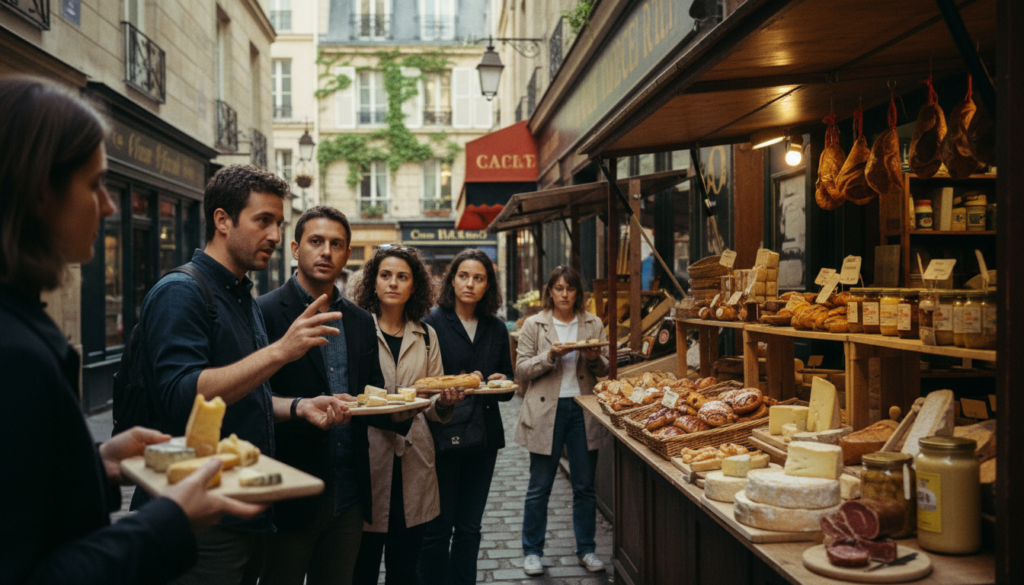
Several top-rated hidden alley food tour operators reveal Paris’s best-kept gastronomic secrets. Each company has its own style and philosophy. This helps you find the perfect tour that fits your interests and budget.
Boutique Paris food tours range from large-group walks to private explorations. They differ in storytelling, vendor relationships, and cultural context. Some focus on tastings, while others highlight historical narratives and artisan connections.
Secret Food Tours Paris
Secret Food Tours Paris is part of the world’s largest independent food tour company. Their Paris tours last 3-4 hours and have small group sizes of 10-12 people maximum. This allows for meaningful interactions with guides and fellow food enthusiasts.
The signature element is the “Secret Dish” that remains unrevealed until the tour. This adds surprise to each culinary journey through neighborhoods like Montmartre and Le Marais. Guides are local residents and passionate food lovers, bringing authenticity to every stop.
Tours include multiple tastings at family-run establishments. You’ll visit hidden bakeries, specialty cheese shops, and bistros that locals frequent. The focus is on quality over quantity, showcasing authentic Parisian food culture.
Localers Paris Off-the-Beaten-Path Walk
The localers paris off-the-beaten-path walk offers a hyperlocal approach. Guides live in the neighborhoods they tour, providing current recommendations. This insider perspective reveals spots that locals love but tourists often miss.
Localers avoids famous landmarks and tourist attractions. The focus is on how Parisians live, shop, and dine in their neighborhoods. You’ll experience authentic local life and exceptional food, not tourist traps.
The company specializes in small groups or private experiences. These feel like exploring with a knowledgeable friend. Conversations flow naturally as you walk through residential streets and market areas. Guides introduce you by name and share stories about the families behind each business.
Paris by Mouth Culinary Experiences
Paris by Mouth culinary experiences bring a journalistic approach. Founded by food writers, these tours combine expert storytelling with exceptional tastings. The Latin Quarter sunset tour visits four family-run establishments with 7+ food tastings and 5 alcoholic drink pairings.
These tours provide historical and cultural context throughout. Guides explain the significance of what you’re eating. You’ll learn about French culinary history, the French Revolution’s impact, and how immigration shaped neighborhood food landscapes.
The tours focus on wine and cheese education. Guides teach you how to identify quality products and understand regional variations. Each stop includes conversations with owners and chefs who share their craft and passion for traditional techniques.
Withlocals Private Food and Market Tours
Withlocals private food and market tours emphasize customization and flexibility. These tours adapt to your specific interests, dietary needs, and preferred pace. You control the itinerary and focus.
The private format allows for deeper conversations with your guide. You can ask detailed questions without holding up a group. Guides tailor stops based on your feedback, exploring interests that emerge naturally.
These tours work well for specialized interests like natural wine or artisan chocolate. Families appreciate the ability to adjust timing around children’s needs. The company matches you with guides whose expertise aligns with your culinary interests.
Private tours provide access to experiences that don’t work for larger groups. You can have extended conversations with cheese makers or visit behind-the-scenes bakery areas.
| Tour Operator | Group Size | Tour Duration | Signature Feature | Best For |
|---|---|---|---|---|
| Secret Food Tours Paris | 10-12 people maximum | 3-4 hours | Mystery “Secret Dish” reveal | Social travelers wanting small group energy |
| Localers Off-the-Beaten-Path | Small groups or private | 3-3.5 hours | Guides who live in tour neighborhoods | Authenticity seekers avoiding tourist areas |
| Paris by Mouth | 12-15 people typical | 3-4 hours | Food writer expertise and historical context | Food enthusiasts wanting cultural education |
| Withlocals Private Tours | Private only (1-8 people) | 2-4 hours (flexible) | Fully customizable itineraries | Couples, families, specialized dietary needs |
When comparing these top-rated hidden alley food tour operators, consider your travel style and priorities. Group tours offer social connections and fixed pricing, while private options provide personalized attention and flexibility. All four companies maintain high standards for food quality and guide expertise, ensuring memorable experiences through Paris’s hidden culinary landscape.
Types of Hidden Alley Food Experiences
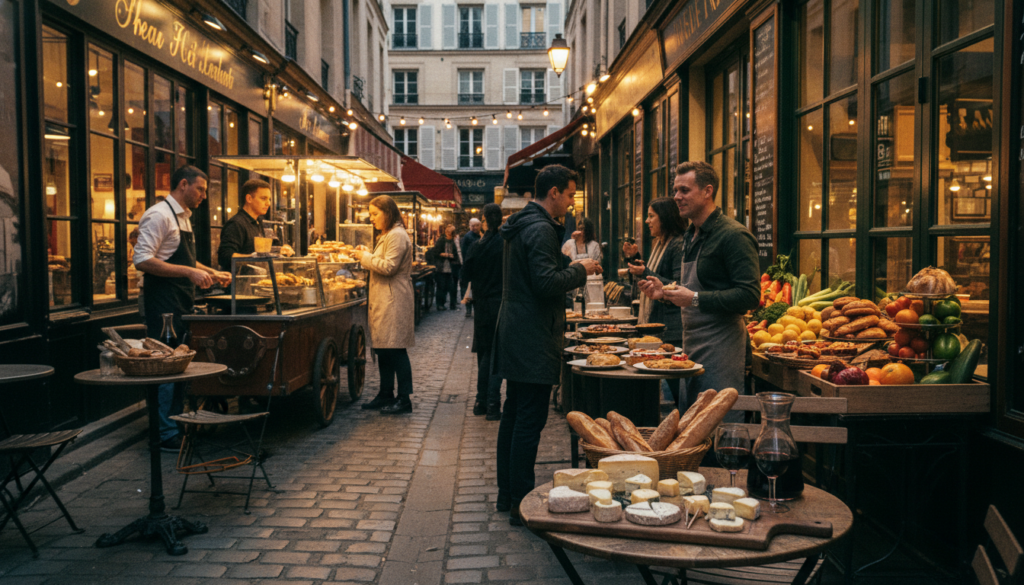
Paris offers a variety of hidden alley food experiences. You can choose from group walks to solo audio tours. Each option suits different travel styles and interests.
Choosing the right culinary experience in Paris is key. Gourmet walking tours vary in structure, duration, and focus.
Walking Tours with Multi-Stop Tastings
Walking tours with tastings are the most popular in Paris. They last 3-4 hours and visit 6-10 spots in one neighborhood. You spend 15-20 minutes at each place, tasting and chatting with owners.
The walks cover 1-2 miles, allowing for easy digestion between stops. Guides balance eating and walking, exploring different areas. This is great for those who want to see a neighborhood and taste a lot.
These tours offer generous tastings. You might try 11 food items and 2 wines at 8 places. Or, you could have 10 tastings and 2 drinks at 7 family-run shops.
Each stop is unique. You’ll taste everything from quick counter snacks to seated samples. Some stops even offer handheld items like crêpes.
Evening Wine and Cheese Alley Crawls
Evening tours focus on wine and cheese in a social atmosphere. They start around 5-6 PM, slowing down the pace. You’ll visit wine bars and cheese cellars, learning about French wines and cheeses.
These tours are perfect for wine lovers. You’ll enjoy 7+ food pairings and 5 drinks in the Latin Quarter. It’s a sophisticated way to spend an evening.
These tours are small, making for deeper conversations. You’ll learn about wine and cheese, enjoying charcuterie and aged cheeses. It’s a great choice for those who love wine and want a special evening.
Market-to-Table Cooking Class Combos
These tours combine street food tours with cooking classes. They start at markets like Marché Saint-Germain or Marché d’Aligre. You learn to pick quality produce and interact with vendors.
Then, you head to a cooking class. You make a meal with the ingredients you bought, learning French cooking techniques. Some tours even include baguette baking lessons.
The tour ends with a meal you prepared. Some tours finish at markets, with final tastings of cheese and wine. It’s a deep dive into French food culture and cooking skills.
Self-Guided Audio Food Tours Through Secret Passages
Self-guided tours offer flexibility for solo travelers. You explore at your own pace with an app or audio guide. You get directions, history, and food tips through your device.
These tours lack the personal touch of live guides. You won’t get special introductions or back room tastings. But, they’re great for those who like to explore alone or have unpredictable schedules.
| Tour Type | Duration | Typical Stops | Best For |
|---|---|---|---|
| Walking Tours with Multi-Stop Tastings | 3-4 hours | 6-10 establishments | Comprehensive neighborhood exploration with substantial food sampling |
| Evening Wine and Cheese Crawls | 2-3 hours | 4-6 wine bars and cheese shops | Wine enthusiasts seeking social atmosphere and pairing education |
| Market-to-Table Cooking Combos | 4-5 hours | 1 market + cooking location | Hands-on learners wanting culinary skills and cultural immersion |
| Self-Guided Audio Tours | Flexible timing | 8-12 suggested locations | Independent travelers preferring solo exploration at own pace |
Must-Try Foods on a Paris Alley Food Tour
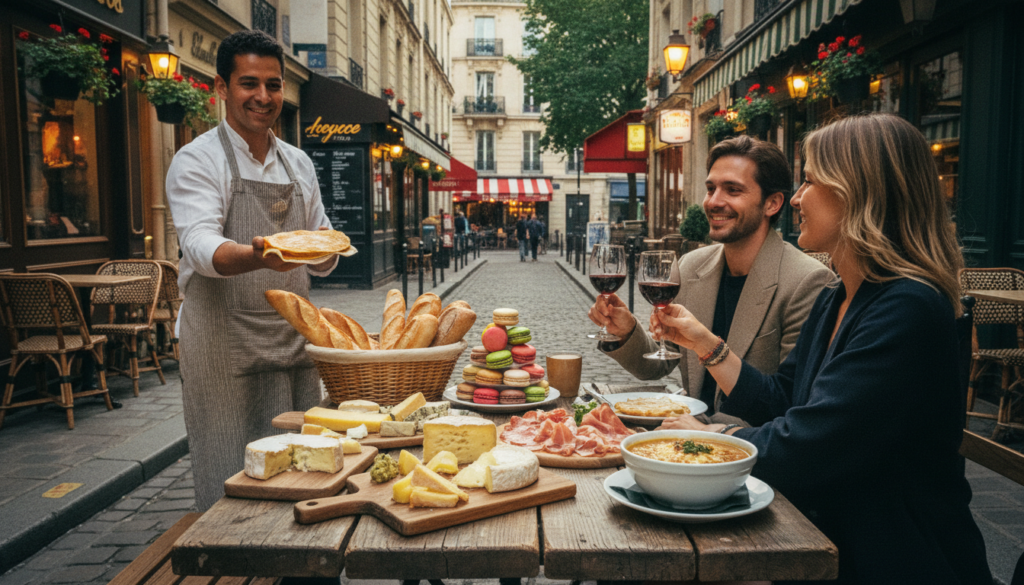
Your taste buds will be amazed by the artisan foods on a Paris alley food tour. These hidden gems show centuries of French cooking tradition. Skilled artisans have perfected their craft over generations.
These foods are far different from what you find in tourist areas. They offer real flavors that locals love every day.
Each specialty shows why Paris is known as the world’s culinary capital. You’ll taste everything from crusty bread to aged cheese. These foods tell the story of French dedication to quality.
Fresh-Baked Bread from Award-Winning Bakeries
The artisan baguettes you’ll try follow strict AOC rules. These rules protect traditional French bread-making. Bakeries like Maison Eric Kayser create loaves that are truly special.
They use a secret flour mix for their famous Monge bread. This bread has a golden crust and airy interior like nothing you’ve tasted before.
Specialty breads like pain au fig have moist interiors with dried figs. Malherbes bread has fragrant herbs in the dough. The bread should crack when tapped and have a soft crumb.
Your guide will teach you how to eat baguette like a French person. They’ll tell you not to put bread upside down on the table.
This rule comes from medieval times. Quality baguettes have the right weight and texture. You’ll learn to spot excellence by looking and tasting.
Authentic Crêpes Made to Order
Handmade crêpes from hidden windows offer a unique experience. Artisans make each crêpe on traditional griddles passed down through families. Sweet crêpes are desserts, while savory galettes are complete meals.
Fillings include simple but delicious combinations. Savory galettes have egg, ham, and cheese. Hidden vendors stick to traditional recipes, unlike tourist spots.
Watch as the artisan spreads batter on the hot griddle. The edges crisp up while the center stays tender. This creates the perfect texture for crêpes.
Curated Selections at Expert Cheese Shops
Trying craft cheese and charcuterie at fromageries is a true French experience. Fromagers curate cheeses aged in underground cellars. One shop in the Latin Quarter specializes in aged Comté.
Typical tastings include five or more cheeses. You might try aged Comté, creamy Camembert, and tangy chèvre. Your guide will explain how to taste them and which wines pair best.
Charcuterie is just as sophisticated. You’ll find artisan pâtés, rich rillettes, and premium saucisson. These products are far better than mass-produced ones. The fromager will explain what makes each special.
Traditional Soup in Cozy Neighborhood Spots
Trying French onion soup in small bistros connects you to Paris’s working-class history. This dish originated at Les Halles market. It’s made with caramelized onions, rich beef stock, and melted Gruyère cheese.
Small bistros often make better versions than famous restaurants. They’ve perfected the recipe over decades. The onions should be sweet, the broth rich, and the cheese perfectly browned.
The best bowls arrive hot with cheese that stretches as you lift your spoon. The combination of sweet onions, savory broth, and nutty cheese is perfect.
Hidden Pastry Treasures
Specialty pastries from hidden patisseries reveal creations you’d never find without local help. These shops make canelés, financiers, and Paris-Brest. Each has its own signature creations.
Traditional pastries include flaky croissants and éclairs. You’ll also find macarons and meringues. Some shops even offer champagne jelly with gold leaf, though it’s pricey.
Your guide knows which shops excel at certain items. They’ll tell you the best time to visit for fresh pastries. Paris street food tours often include warm madeleines, a true French pastry delight.
| Specialty Food | Typical Location | Key Characteristics | Authentic Indicators |
|---|---|---|---|
| Artisan Baguette | Neighborhood boulangeries | Crispy crust, irregular crumb, traditional fermentation | Crackling sound, proper weight, golden color |
| Handmade Crêpes | Hidden passage windows | Paper-thin texture, cast-iron griddle preparation | Made to order, traditional fillings only |
| Aged Cheese Selection | Expert fromageries with cellars | Multiple varieties, proper aging, wine pairings | Underground storage, knowledgeable fromager guidance |
| French Onion Soup | Small neighborhood bistros | Caramelized onions, rich stock, Gruyère gratinée | Long cooking time, proper browning, intense flavor |
| Specialty Pastries | Under-the-radar patisseries | Fresh daily preparation, signature creations | Visible technique, proper textures, local reputation |
Understanding what makes each specialty authentic shows the difference between tourist food and what Parisians eat. These artisan foods represent a culture that values quality and tradition. The must-try foods on a Paris alley food tour highlight why French cuisine is so renowned, one delicious bite at a time.
How to Choose the Right Hidden Alley Food Tour
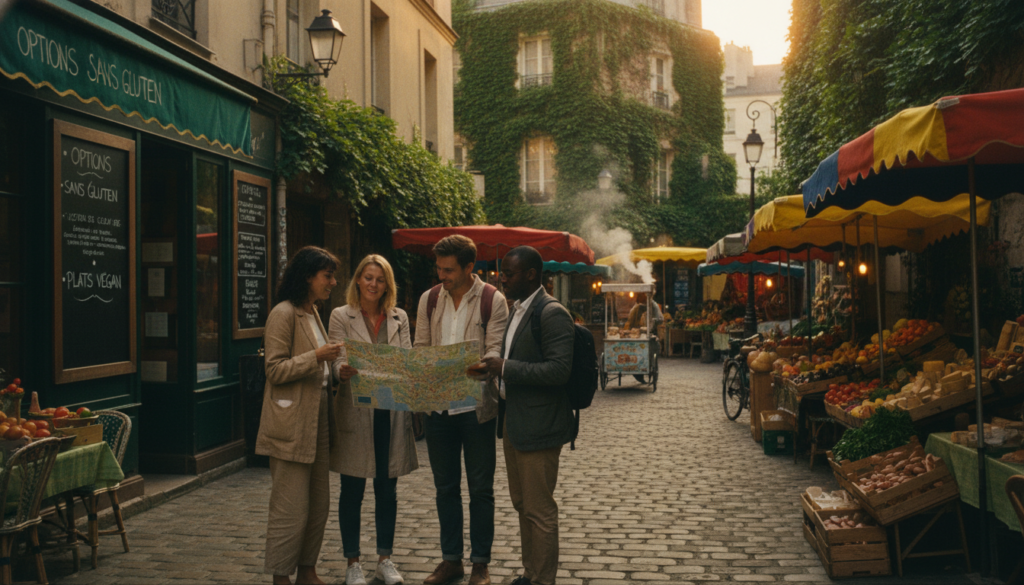
Your perfect Paris food tour is hidden in the city’s alleys. To find it, you need to know what matters to you. There are many off the beaten path paris culinary tours to choose from. Think about what you want and what you can handle before booking.
Each tour type is great for different occasions. Whether it’s a small group or a family event, there’s a perfect fit for you. Your choice should match your needs and preferences.
Finding Your Ideal Tour Size and Privacy Level
The group size and private tour options greatly affect your experience. Most tours have 10-12 guests, making it feel like a personal exploration. This size ensures everyone can hear and enjoy the food without rushing.
Small groups encourage conversation among food lovers. You can ask questions and learn more about the food and area without feeling rushed.
Private tours offer unique benefits. They’re great for special occasions or corporate events. Private tours let you customize the itinerary, focusing on your interests.
Group tours are social and often cheaper. They’re perfect for solo travelers or those on a budget. Private tours offer flexibility and personal attention but cost more.
- Group tours are great for meeting others and sharing discoveries
- Private tours are ideal for families or those with specific needs
- Corporate groups enjoy customized experiences
- Couples love the intimate nature of private tours
Navigating Food Restrictions and Special Diets
Understanding dietary accommodations and allergy-friendly tours is key. French food often includes dairy, meat, and wheat, posing challenges for some diets. It’s important to talk about your needs when booking.
Vegetarians usually find suitable options on most tours. Guides can swap out dishes to accommodate your diet. Vegans face bigger challenges due to French cuisine’s focus on dairy and meat.
Some tours aren’t vegan-friendly, while others offer modifications with advance notice. This might limit your experience.
Allergies need careful attention. Inform your tour operator about allergies before the tour starts. They’ll work to find safe options for you.
Most tours can accommodate dietary needs with notice, but some restrictions might limit your experience.
Religious dietary needs like kosher or halal are harder to find. Some tours focus on Jewish quarter experiences in Le Marais, where kosher options are more common.
Assessing Physical Demands and Accessibility Features
Consider duration, distance, and physical accessibility when choosing a tour. Most tours last 3-4 hours, including walking and tasting. The distance is usually one to two miles, but cobblestone streets and stairs can be challenging.
The pace is described as easy, with breaks at each stop. Seniors in their 70s have enjoyed these tours, finding them manageable.
Weather can vary, with covered passages offering shelter. Summer heat and winter cold are factors during longer tours.
Wheelchair accessibility requires planning. Some tours offer modified routes, but iconic locations might be missed. Cobblestones make even accessible routes difficult.
- Le Marais is better for flat terrain than Montmartre
- Tours with breaks are good for those who can’t stand for long
- Morning tours are less crowded, better for mobility devices
- Indoor tours through arcades avoid weather issues
Timing Your Tour for Optimal Experiences
Seasonal menus and time of day greatly impact your tour. French food changes with the seasons. Spring brings fresh produce, while autumn offers mushrooms and game meats. Cheese selection also varies by season.
Oyster season is traditionally in “R” months, but modern refrigeration has extended it. Summer tours focus on light dishes, while winter tours feature hearty soups and wines.
Morning tours visit bakeries and markets, offering a glimpse into local life. Afternoon tours offer a variety of foods. Evening tours emphasize wine, cheese, and bistro dining, creating a sophisticated atmosphere.
Weekend tours might have limited options due to shop closures. Peak tourist seasons mean crowded areas and longer waits, but guides often find ways to skip lines.
Planning Tips for Your Visit
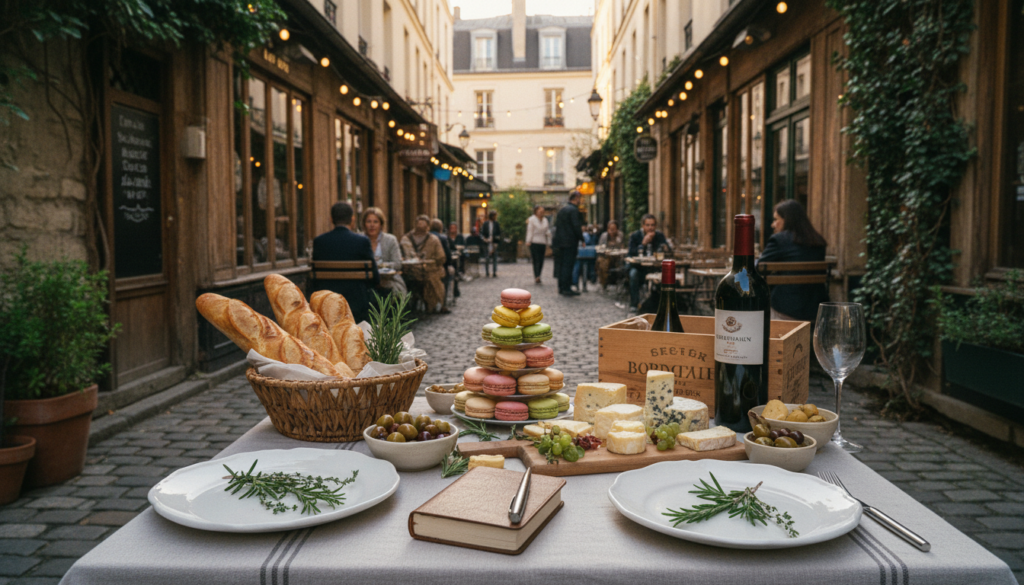
Planning well makes a hidden alley food tour unforgettable. It’s not just about picking the right tour. Being prepared ensures you enjoy every bite without any trouble.
Timing, what to wear, and booking ahead are key. They help you walk comfortably and get into popular tours. Planning these details makes your food tour better.
Best Months and Days of the Week to Book
Paris food tours are available all year. But May to June and September to October are best. You get nice weather and fewer tourists.
July and August are too hot and crowded. November to February are cold and dark. But winter tours offer cozy bistros and special dishes.
Seasons change what’s on the menu. Oysters are in season from September to April. Spring brings white asparagus, and fall has chestnuts and mushrooms. Knowing this helps you plan your visit.
Choosing the right day makes a big difference. Tuesdays to Fridays are best. Mondays are closed, and weekends are too busy.
Weekends are good for those with tight schedules. But Saturdays and Sundays are busier. Most tours try to avoid these crowds.
French holidays affect shops all year. August is especially challenging. Many shops close for vacation. Tours have fewer options then.
What to Wear for Cobblestone Alley Walking
Good shoes are crucial for long walks. Choose thick-soled, closed-toe shoes for comfort. You’ll walk on uneven cobblestones for hours.
Heels and thin shoes hurt your feet quickly. Sandals are unsafe and messy. Wear athletic shoes or cushioned flats for the best comfort.
Layering is key for temperature changes. You’ll move between cool shops and hot streets. A light jacket is essential.
Carry only what you need. A small bag is best. It should hold your phone, camera, water, and any shopping. Avoid big bags in narrow places.
Even covered passages need protection from the weather. Bring a small umbrella or rain jacket. Tours go on in all weather.
Casual dress is perfect for food tours. They focus on local culture, not fancy dining. But dress smartly to respect the area and stay comfortable.
How to Book in Advance and Avoid Sold-Out Tours
Booking times vary by operator. Big tours sell out fast, especially in summer. Companies like Devour Tours and Secret Food Tours get booked early.
Smaller tours might have spots available last minute. But booking two to four weeks ahead is best. It secures your spot and keeps your travel plans flexible.
Know the cancellation policies. Most tours offer full refunds with 24 to 48 hours’ notice. Some have sliding scales for refunds closer to the tour.
Gift certificates are a great idea. They let your loved ones choose their own tour. Many operators sell vouchers in GBP for any city.
Gratuity policies vary. Some tours include tips, others expect you to pay separately. Ask about this when you book to avoid surprises.
Group tours have set times, but private tours can be customized. Book early for holidays or big events in Paris. Even private tours fill up quickly then.
How to Find Hidden Food Alleys on Your Own
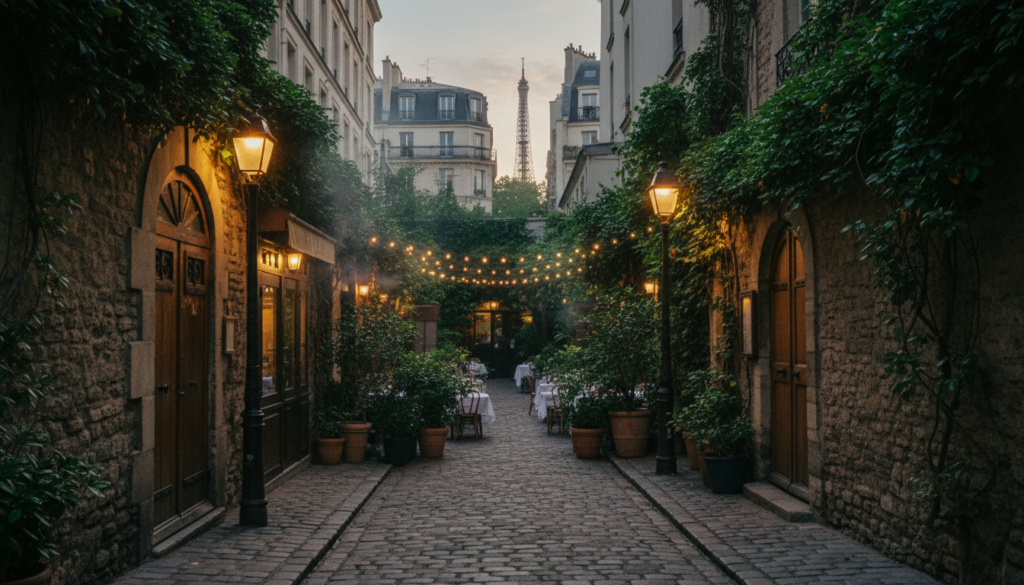
Exploring Paris on your own can turn your trip into a fun adventure. You can wander through the city’s hidden food alleys. This way, you can find the best spots for food lovers.
Using online tools and talking to locals can lead you to secret food places. Even some tours might miss these spots. You’ll discover Paris’s hidden food treasures.
Finding hidden food spots in Paris needs a smart plan. Mix modern tech with old-fashioned local connections. This skill helps you find real food experiences anywhere you go.
Digital Research Strategies
Start by looking at local food blogs and Instagram tags. Search in French to find tips from Parisians. Look for terms like “boulangerie de quartier” and “fromager artisan” to find authentic spots.
Follow Paris food photographers and bloggers. They often tag places, showing you hidden spots. Instagram tags help find secret entrances to passages and courtyards.
Check different sources before adding a place to your list. A spot mentioned by several bloggers is more reliable. Look for details like prices and repeat visits.
Google Maps is your planning tool. Use it to find clusters of specialty shops. Search for terms like “fromagerie” and zoom in on areas with many results.
Building Relationships with Local Experts
Ask shopkeepers and café owners for tips. This gives you insider info that guidebooks miss. Show respect by buying something first, then ask for advice.
Learn basic French phrases for asking for recommendations. “Où puis-je trouver un bon fromager dans le quartier?” gets warmer responses than English. Ask for neighborhood-specific tips, not famous spots.
Shop owners know great places because they shop there too. A wine merchant might recommend a chocolate shop. Ask where they buy items they don’t sell.
Places like Ma Collection in Saint-Germain are great for finding other authentic spots. The owner picks unique items, making her a great guide. Markets like Marché Saint-Germain are hubs for vendors who can recommend other shops.
Mastering the Art of Wayfinding
Finding hidden passages and courtyards is different from using street maps. Major passages like Passage des Panoramas connect blocks with many entrances. They have glass roofs filled with food shops.
Look for large doorways to find unmarked courtyards. These entrances are usually open during business hours. Streets like Cour du Commerce in Saint-Germain-des-Prés are filled with hidden alleys and shops.
Know the difference between private and commercial courtyards. Commercial ones have signs and activity. Never enter private areas or those with codes unless you have a reason.
Covered passages have specific hours, often closing at night. Explore during midday or early afternoon. Use maps and guides to plan your route.
Be respectful when exploring these areas. Discretion helps keep these spots welcoming. Your respectful visits help preserve these neighborhoods for others.
Final Tips for Getting the Most Out of Hidden Alley Food Tours in Paris
Getting the most out of your food tour in Paris starts with preparation. Follow these tips to enjoy every moment and dive into local food culture.
Come Ready to Taste Everything
Expect to try 10-11 food items and drinks, which is like having a full meal. Eat lightly two hours before starting your tour. This way, you can enjoy each taste without feeling too full.
Sharing food with others is a good idea. It lets you try more without feeling stuffed. If you’re full, tell your guide. They’ll make sure you’re comfortable.
Carry Euros for Spontaneous Purchases
Many small vendors and market stalls only accept cash. Bring 40-60 euros in small bills for any extra buys. This way, you can discover hidden gems without holding up the group.
Ask Your Guide Questions Throughout
Ask your guide for tips on places you might not find on your own. They know the best spots for fresh bread, unique souvenirs, and local favorites. Their insights will make your Paris trip unforgettable.
FAQ
How long do hidden alley food tours in Paris typically last?
Hidden alley food tours in Paris usually last 3-4 hours. You’ll walk about 1-2 miles through narrow streets and hidden spots. Each stop, like a boulangerie or wine bar, takes 15-20 minutes.
Evening tours might last 4-5 hours, with more time to enjoy each place. Cooking class combos can take 4-6 hours, starting with a market visit and then cooking.
The pace lets you enjoy each stop without feeling rushed. You’ll see different parts of a neighborhood.
What’s included in the price of a hidden alley food tour?
The tour price includes all food and drink tastings at 6-10 stops. You’ll get to try artisan baguettes, crêpes, cheese, and pastries. Some tours include wine or coffee.
Guides are fluent in English and share history and culture at each stop. Some tours include gratuity, while others leave it up to you.
Prices don’t cover extra purchases or meals beyond tastings. Private tours are more expensive but offer flexibility and customized itineraries.
Are hidden alley food tours suitable for children?
Tours can work for kids if they’re adventurous and can walk 1-2 miles. Most tours have a minimum age requirement.
Private tours are better for families, allowing for adjustments and breaks. Kids who don’t like strong tastes might struggle.
Consider the standing time and whether your kids can behave in small shops.
Can vegetarians and vegans participate in Paris food tours?
Vegetarians can join most tours, but vegans face more challenges. French cuisine often includes dairy and eggs.
Some operators offer vegetarian tours or can adapt private tours for vegans. Be upfront about your dietary needs.
Which neighborhoods offer the best hidden alley food experiences?
Le Marais has medieval streets and Jewish Quarter specialties. Montmartre has secret staircases and quiet bistros.
Saint-Germain-des-Prés has hidden passages and wine bars. Belleville offers multicultural backstreet food.
Your choice depends on whether you prefer classic French, bohemian, or multicultural options.
What should I wear on a cobblestone alley walking tour?
Wear thick-soled, closed-toe shoes for uneven cobblestones. Dress in layers for temperature changes.
Bring a compact umbrella and light rain jacket. Carry a small bag for purchases and your phone.
Casual dress is fine, but avoid flip-flops in elegant areas.
How far in advance should I book a hidden alley food tour?
Book 3-4 weeks in advance for popular tours. Peak season tours may sell out months in advance.
Private tours need 2-3 weeks’ notice. Check cancellation policies before booking.
Do I need to speak French to enjoy a hidden alley food tour?
No, you don’t need to speak French. Guides are fluent in English and handle all interactions.
Knowing basic French phrases is helpful but not required. Your guide will provide cultural context.
What’s the difference between covered passages and hidden courtyards?
Covered passages are 18th-19th century shopping arcades. Hidden courtyards are interior spaces within building blocks.
Passages offer weather protection and a maze-like network. Courtyards are enclosed spaces with a single access point.
Are food tour tastings enough to replace a meal?
Yes, tastings provide enough food for a meal. You’ll get to try bread, cheese, pastries, and sometimes a bistro dish.
Plan your tour as a meal replacement. You might find yourself too full for dinner after an afternoon tour.
Can I buy items at shops during the tour?
Yes, you can buy items at shops. Guides encourage purchases at places you enjoy.
Bring cash for small vendors. Practical items like cheese or chocolate make good souvenirs.
What if it rains during my food tour?
Tours operate rain or shine. Bring a compact umbrella and light rain jacket.
Covered passages provide weather protection. Shops offer indoor respites from the rain.
Are hidden alley food tours wheelchair accessible?
Most tours are not wheelchair accessible due to medieval architecture. Some operators offer modified tours for accessibility.
Check with operators about accessibility before booking. Be realistic about your mobility.
How are hidden alley food tours different from restaurant food tours?
Hidden alley tours focus on specialty shops and markets. Restaurant tours visit 3-4 restaurants for multi-course meals.
Hidden alley tours are more active, with standing tastings and walking. You’ll learn about French food culture.
What’s the best time of day for a hidden alley food tour?
Morning tours focus on bakeries and market activity. Afternoon tours offer a mix of all shop types.
Evening tours emphasize wine bars and bistros. Consider the season and your schedule when choosing a time.
Can I take photos during the tour?
Yes, photography is welcome. Be respectful of shop owners and other customers.
Ask permission before taking photos of shop interiors or food preparation. Avoid using flash in small shops.
What if I have food allergies or intolerances?
Inform your guide about allergies when booking. Some stops can accommodate gluten-free or dairy-free options.
For severe allergies, seek immediate medical attention. Carry an epinephrine auto-injector if necessary.
How do hidden alley food tours handle COVID-19 safety?
Safety protocols vary by operator and local regulations. Check the operator’s website for current policies.
Many tours have reduced group sizes and increased outdoor stops. Private tours are a safer option for some.
Can I customize a group tour itinerary?
Group tours follow fixed itineraries. Private tours offer customization based on your interests.
Some operators offer semi-private tours with some customization options. Discuss your preferences with the operator.
Are drinks included in food tour prices?
Most tours include beverages at scheduled stops. The extent of alcohol service varies.
Check the tour description for what’s included. Some tours charge extra for wine pairings.
How physically demanding are hidden alley food tours?
Tours involve 1-2 miles of walking on uneven cobblestones. There are frequent stops for tastings and explanations.
Consider your fitness level and mobility before booking. Private tours offer more flexibility.
Can I bring my own food or drinks on the tour?
Bringing your own food or drinks is unnecessary and may be seen as disrespectful. Tours provide plenty of food and drinks.
Carrying water is practical, especially in summer. Discreetly carrying specific items for dietary needs is okay.
What if I discover I’m allergic to something during the tour?
Inform your guide immediately if you experience any allergic symptoms. They can help you skip problematic stops.
For severe reactions, seek immediate medical attention. Carry an epinephrine auto-injector if necessary.