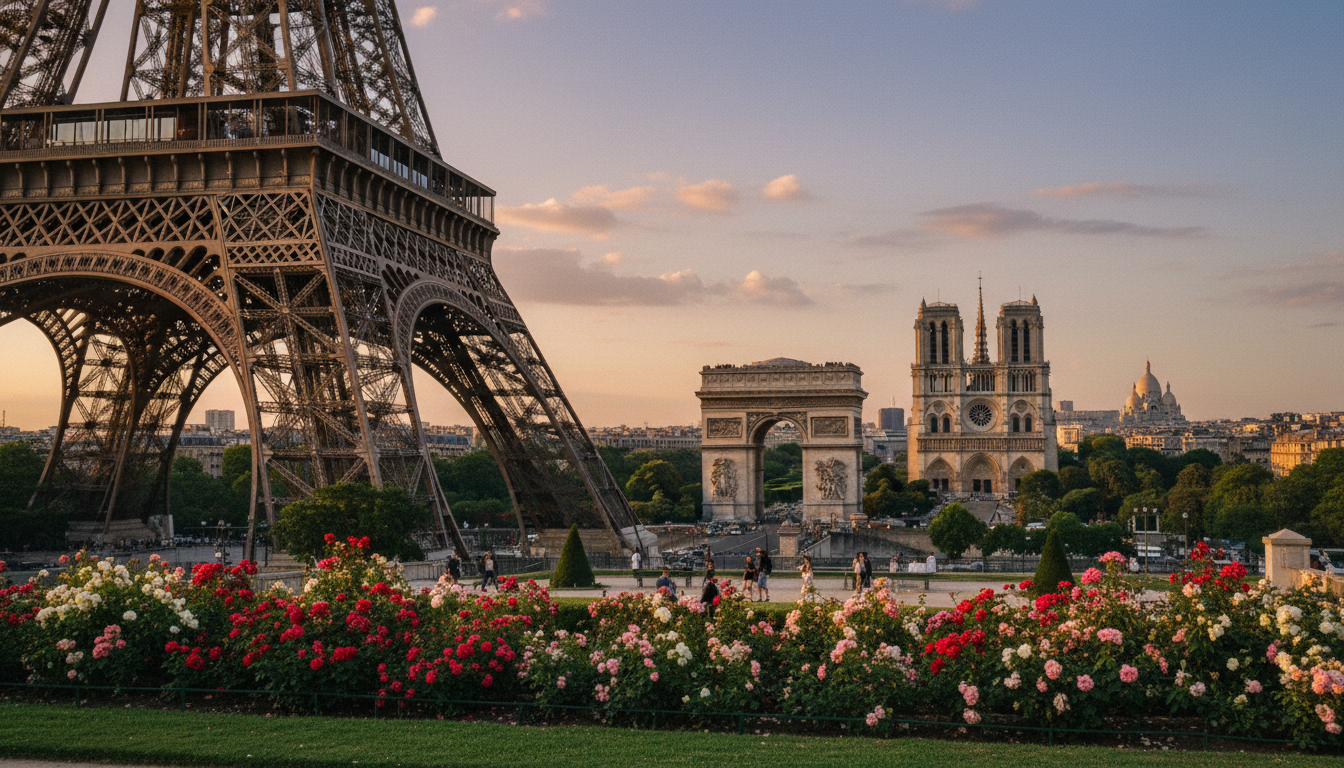
What makes Paris so special? It’s the perfect mix of beauty, history, and world-class cultural experiences. These draw millions of visitors every year.
Paris has something for everyone. You can see the iconic Eiffel Tower or explore the Louvre Museum. The city was called “City of Light” for its early gas street lighting.
Walking around Paris is easy. Many top spots are close to each other. The city is divided into neighborhoods, making it simple to get around.
Travelers can save with passes like the Paris GoCity Pass. They give you discounts to many landmarks and museums. This guide will show you famous spots and hidden gems.
Key Takeaways
- Paris is organized into arrondissements that simplify navigation for visitors
- Many major landmarks are within walking distance, making the city easy to explore on foot
- Money-saving passes like the Paris Museum Pass offer discounted access to multiple attractions
- The city combines world-famous sites with charming hidden gems waiting to be discovered
- Paris became known as the “City of Light” for pioneering gas street lighting in Europe
- The destination offers experiences ranging from grand museums to cozy neighborhood cafés
Iconic Landmarks and Monuments
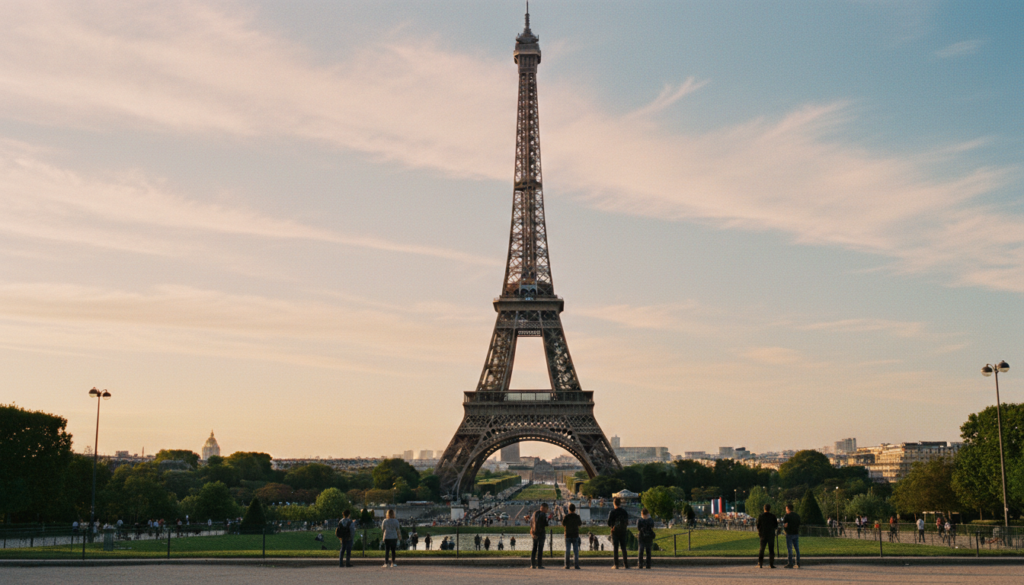
Exploring Paris’s landmarks and monuments is like walking through history. These structures tell stories of revolution, art, and French pride. Each one offers a unique view of the city and unforgettable experiences.
The monuments and landmarks of Paris attract millions each year. They show what makes the city magical. Plan your visits to avoid long queues.
The Iron Lady That Defines Paris
The Eiffel Tower is Paris’s symbol and one of the world’s most famous structures. Built in 1887, it was once seen as an eyesore. Now, it welcomes seven million visitors yearly for its views and architecture.
Booking timed entry tickets for the Eiffel Tower is essential. Tickets sell out fast, more so in summer and holidays. You can climb the 674 steps or take the elevator.
Prices vary based on your experience. Stair access to the second floor costs about €15. Elevator tickets to the summit are around €28. The second floor offers the best panoramic perspective.
The tower has three levels, each with restaurants, bars, and views. Enjoy champagne while watching the city lights. The first floor has a glass floor section for a thrilling view.
For a great photo, visit Trocadéro Gardens. Early morning is best for light and fewer crowds. The tower’s evening light show is magical.
Napoleon’s Triumphant Monument
The Arc de Triomphe honors France’s military history. Napoleon commissioned it in 1806, but it was finished in 1836. It stands 164 feet tall and 148 feet wide, at the Champs-Élysées’ western end.
To reach the observation deck, climb 284 steps. The €16 entrance fee gives access to this view. Paris Museum Pass holders get in for free.
The arc de triomphe offers panoramic views. From here, you see twelve avenues and major landmarks. It’s a great spot for photos.
Watching the traffic circle is entertaining. The roundabout is chaotic but French drivers navigate it well. Never cross the circle on foot; use the underground tunnel instead.
The World’s Most Famous Avenue
The Champs-Élysées is a 1.2-mile boulevard from Place de la Concorde to the Arc de Triomphe. It’s famous for shopping, dining, and entertainment. But opinions on it vary.
Many find the shopping overrated and expensive. Chain stores and international brands dominate. It’s not for unique Parisian boutiques.
Strolling the Champs-Élysées is a quintessential Parisian experience. It’s elegant and vibrant. Visit during the holidays for decorations and lights.
For a more authentic shopping experience, explore side streets. They have charming cafés and shops with better value and fewer crowds.
Revolution’s Dark Memory
Place de la Concorde is where over 1,200 people were guillotined during the French Revolution. King Louis XVI, Queen Marie Antoinette, and Maximilien Robespierre were among them.
Today, the square is peaceful and elegant. It has a 3,000-year-old obelisk from Luxor Temple in Egypt. France received it as a gift in 1829.
The square has two fountains inspired by Rome’s St. Peter’s Square. Eight statues represent major French cities. It offers stunning views of the Champs-Élysées, Madeleine Church, and Tuileries Garden.
Be careful crossing the busy roads around the square. Use designated crosswalks and wait for signals. The obelisk looks beautiful at sunset.
World-Famous Museums
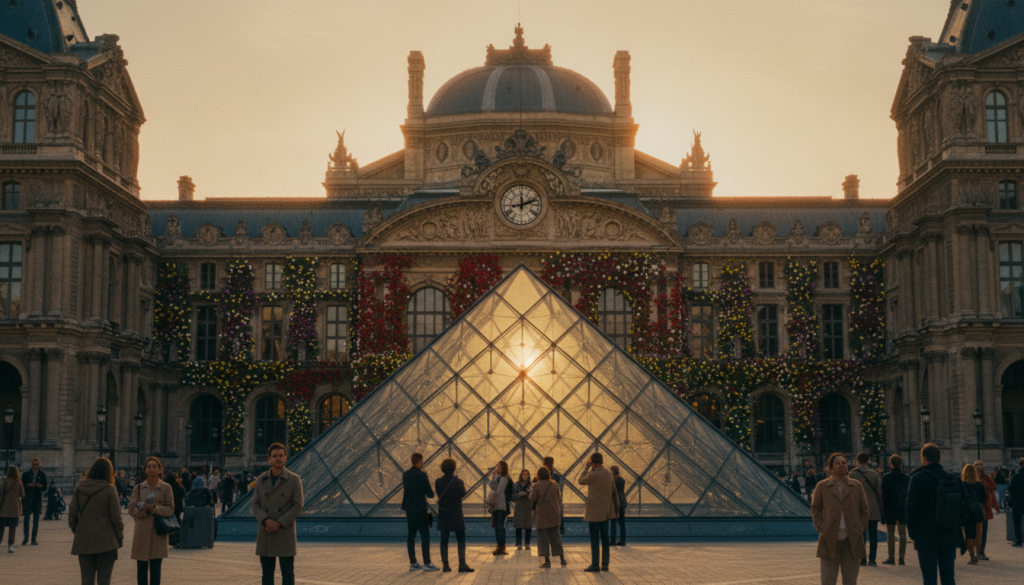
Paris is a paradise for art lovers, with museums that showcase humanity’s greatest creations. You could spend weeks exploring these cultural treasures. The city’s museums range from massive institutions to intimate spaces dedicated to specific artists.
Each museum offers a unique experience. Planning your visits helps you avoid exhaustion and see the masterpieces that matter most to you.
The Crown Jewel of Art Collections
The Louvre Museum is the most visited art museum in the world. It’s a former royal palace with over 60,000 square meters of galleries. You’ll find everything from ancient Egyptian artifacts to Renaissance masterpieces.
When buying louvre museum tickets, EEA residents pay €22, while non-EEA visitors pay €32. Audio guides cost an extra €6. Booking online saves time at the entrance.
The Mona Lisa attracts huge crowds. She’s surprisingly small and somewhat underwhelming behind glass. But the Louvre has many other breathtaking works, like the Venus de Milo and the Winged Victory of Samothrace.
Visiting the Louvre requires strategy to avoid exhaustion. Most people try to see everything in one day. Instead, focus on specific wings or periods that interest you most. A guided tour helps you navigate the maze-like corridors and highlights the louvre museum highlights with expert commentary.
Pro tip: enter through the Carrousel entrance in the underground shopping mall to bypass long lines. The museum is open until 9:00 PM on Wednesdays and Fridays. Aim for a late afternoon arrival around 3:00 PM when tour groups have departed.
Impressionist Paradise in a Railway Station
The Musée d’Orsay offers a unique atmosphere in its converted Beaux-Arts railway station. It specializes in Impressionist and post-Impressionist art from 1848 to 1914. The collection continues where the Louvre’s timeline ends, perfect for art history enthusiasts.
Tickets cost €16, with audio guides available for €6 extra. The museum features five floors that are easier to navigate than the Louvre’s labyrinth. Most famous works by Monet, Van Gogh, Degas, and Renoir are on the 5th floor, so head there if time is limited.
The musée d’orsay houses Europe’s largest collection of Impressionist and post-Impressionist paintings. You’ll see masterpieces by Manet, Cézanne, Gauguin, and many other artists who changed the art world. The museum’s layout shows the evolution of artistic styles through the decades.
Don’t miss the iconic clock window overlooking the Seine River. This architectural feature provides one of the most photographed views in Paris. The museum’s restaurant serves meals beneath beautiful French frescoes, making it a destination worth planning your visit around.
Modern Art in Revolutionary Architecture
Centre Pompidou breaks architectural conventions with its inside-out design. Exposed pipes, escalators, and structural elements create a building that looks like it’s wearing its skeleton on the outside. This bold statement matches the contemporary art housed within.
The centre pompidou contains one of Europe’s finest collections of modern and contemporary art. You’ll find works by Picasso, Matisse, Duchamp, Kandinsky, and Warhol among thousands of pieces spanning the 20th and 21st centuries. The collection constantly evolves with rotating exhibitions featuring cutting-edge contemporary artists.
The rooftop offers spectacular panoramic views of Paris. You can access these views by taking the external escalator, which provides an entertaining ride up the building’s colorful exterior. The surrounding plaza often features street performers and spontaneous cultural events.
Monet’s Immersive Masterpiece
The Musée de l’Orangerie provides an intimate encounter with Claude Monet’s art. This museum began as an exhibition space for living artists and was designed in collaboration with Monet himself. He personally oversaw the architectural design and installation of his monumental paintings.
Eight massive Water Lilies canvases are displayed in two oval rooms that form an infinity symbol. These paintings surround you completely, creating an immersive environment where you can lose yourself in Monet’s masterful portrayal of light, water, and nature. The artist intended these works to provide “an asylum of peaceful meditation.”
The musée de l’orangerie offers a contemplative experience that contrasts beautifully with the overwhelming scale of the Louvre. You can see the entire permanent collection in about an hour, making it perfect for visitors who want quality over quantity. The museum also houses excellent examples of works by Cézanne, Matisse, Picasso, and other modern masters in the lower level galleries.
| Museum | Admission Price | Best Known For | Recommended Visit Duration |
|---|---|---|---|
| Louvre Museum | €22-€32 | Mona Lisa, Venus de Milo, ancient civilizations | 3-4 hours (focused visit) |
| Musée d’Orsay | €16 | Impressionist paintings, converted railway station | 2-3 hours |
| Centre Pompidou | €15 | Modern art, unique architecture, rooftop views | 2-3 hours |
| Musée de l’Orangerie | €12.50 | Monet’s Water Lilies, intimate setting | 1-2 hours |
Each of these museums enriches your understanding of art history while providing unique experiences. They complement each other chronologically and thematically. Visiting at least two or three during your Paris stay ensures a well-rounded cultural education.
Historic Palaces and Grand Buildings
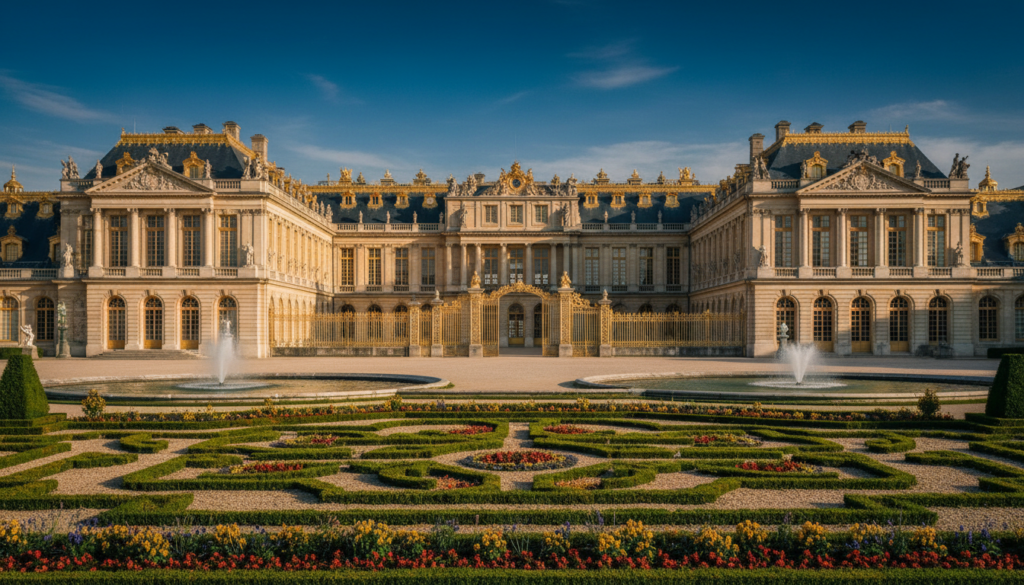
Exploring Paris, you’ll find historic palaces and grand buildings that take you back in time. These architectural wonders show the wealth, art, and power of French rulers. From Versailles’ grandeur to Parisian palaces’ elegance, each tells a story of France’s aristocratic past.
These palaces and buildings reflect the dreams of kings and leaders who shaped history. You can enjoy unique experiences, from full-day trips to shorter visits in the city.
The Ultimate Royal Experience
The Palace of Versailles is the top royal architecture in France. It needs a full day of your Paris trip. Located 40 minutes from Paris, it has 60,000 works of art across its grounds.
Plan your Versailles trip well to enjoy it fully. Take the RER C train from Invalides to Versailles Château Rive Gauche. Then, walk 15 minutes to the palace. The journey is part of the adventure, leaving Paris behind.
Ticket prices for Versailles vary by residency and season. The palace offers full access, but budgeting is key:
| Visitor Type | Low Season | High Season | Audio Guide |
|---|---|---|---|
| EEA Residents | €22 | €32 | €8 |
| Non-EEA Residents | €25 | €35 | €8 |
| Guided Tour | Variable pricing | Includes transport | Often included |
Timing your visit is key. Avoid the 9:30 AM slot to avoid crowds. Even on rainy days, the Hall of Mirrors gets packed early.
Here are tips for a better Versailles trip:
- Book a noon time slot to avoid the rush
- Purchase round-trip train tickets in the morning to skip long lines
- Invest in audio guides for €8 to learn about the rooms
- Head to the gardens quickly after the main palace to avoid crowds
- Allocate 6 hours at the palace plus 2 hours for travel
The palace’s interior dazzles with the Hall of Mirrors and royal apartments. Don’t miss Marie Antoinette’s hamlet and the stunning gardens.
Exploring cultural attractions in Paris is easier with planning and tickets.
Elegant Courtyard Charm
The Palais Royal in central Paris offers a quieter palace experience. It has beautiful gardens and striking black-and-white columns.
The palace’s galleries have upscale shops and restaurants. It’s a great place to see history and modern culture together.
Operatic Splendor
The Palais Garnier Opera House is a masterpiece of Second Empire architecture. Its façade, staircase, and interior are must-sees for architecture fans.
Take guided tours during the day to see the opulent foyers and auditorium. Better yet, see a performance to feel the venue’s true splendor.
Military Legacy and Imperial Tomb
The Hôtel des Invalides combines grand architecture with French military history. Its gold dome is a Parisian landmark.
Inside, Napoleon Bonaparte’s tomb is a sight to behold. The complex also has museums on French military history.
Magnificent Churches and Cathedrals
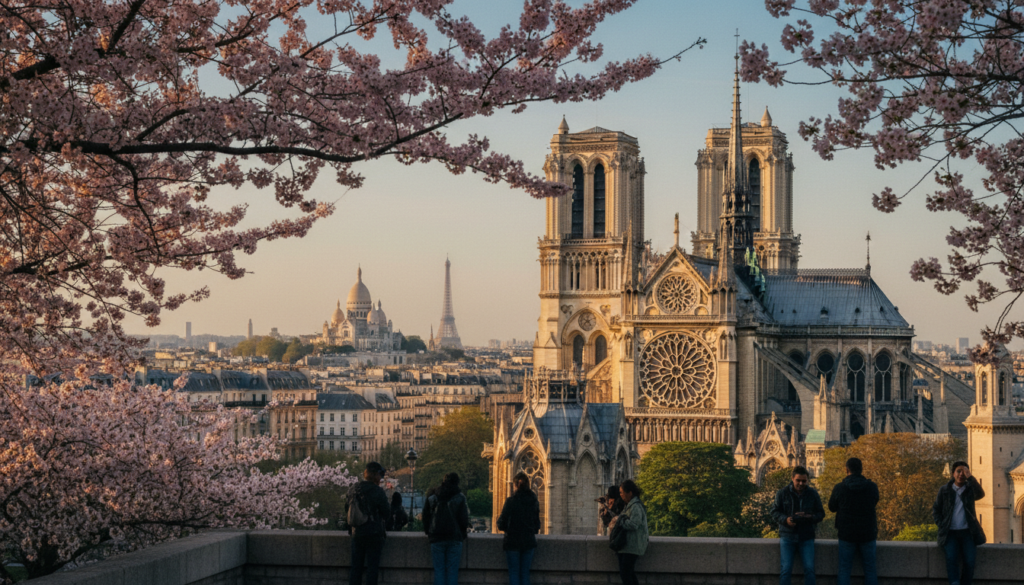
Walking into Paris’s famous churches and cathedrals takes you back in time. You’ll see towering spires and stunning stained glass. These buildings are architectural wonders that leave everyone in awe.
These places are not just for the religious. The detailed stone work, high ceilings, and colorful windows tell stories of old. They show the skill of medieval craftsmen and the vision of artists.
A Gothic Masterpiece Reborn
Notre-dame cathedral reopened in December 2024 after a 2019 fire. The restoration made it cleaner and more beautiful than ever. This medieval cathedral is famous worldwide for its Gothic architecture.
You can book free time slots online to avoid long lines. Notre dame cathedral tours let you see the main area and admire the rose windows. These windows have survived for centuries.
The cathedral has ornate flying buttresses and decorative gargoyles. These elements are both functional and artistic. For €16, you can see important relics and treasures in the Treasury.
Notre dame cathedral paris is on Île de la Cité in the Seine River. It’s a perfect start for exploring the city’s historic heart. The island setting adds to its beauty and makes it easy to get to.
A Kaleidoscope of Medieval Light
Sainte-chapelle has the most stunning interior in Paris. This 13th-century chapel is covered in elaborate stained-glass windows. It has one of the largest medieval stained glass collections in the world.
The windows show over 1,000 biblical scenes and stories of saints. The colors create a magical atmosphere. On a sunny day, the light makes it even more special.
The chapel is close to Notre-Dame on the same island. Many see it as a hidden gem. Its rose windows and high nave are the best of Gothic design and medieval art.
A Monument to French Greatness
The panthéon started as a church but now honors France’s greatest citizens. Inside, you’ll find the remains of heroes like Voltaire and Marie Curie. The building has a huge dome that stands out in the Latin Quarter.
The interior is a mix of architectural grandeur and historical importance. You can see classical columns, frescoes, and high ceilings. It’s a place to learn about France’s greatest minds and see Enlightenment ideals in action.
Baroque Beauty and Literary Fame
Saint-sulpice church is famous from “The Da Vinci Code,” but it’s more than that. It has impressive Baroque architecture and beautiful frescoes by Delacroix. These add to its artistic value.
The church has one of the world’s largest pipe organs. It plays during services and concerts. The decorations and scale show the ambition of 17th-century art and religion.
Saint-sulpice church is in the Saint-Germain-des-Prés neighborhood. It’s surrounded by cafes and shops. This makes it easy to visit and enjoy the area’s charm.
Enchanting Neighborhoods
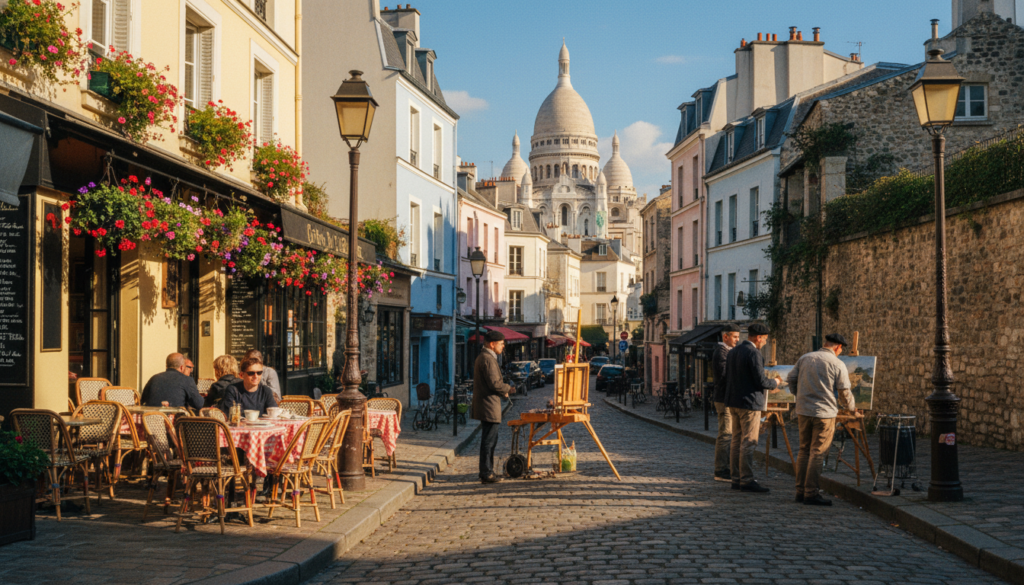
Paris’s magic shines in its diverse neighborhoods. Each one has its own unique vibe, showing different sides of the city’s culture. You’ll find real-life experiences in these areas, where locals live, work, and socialize.
These districts tell stories through their architecture, atmosphere, and community. From bohemian hills to medieval quarters, Paris invites you to see the city like a local. It’s a chance to slow down and enjoy the French capital’s true character.
The Bohemian Heart on the Hill
Montmartre, in the 18th arrondissement, is a bohemian dream. Its winding cobblestone streets and artistic legacy draw creatives. Famous artists like Picasso and Van Gogh were inspired here.
The stunning Sacré-Cœur Basilica is a highlight of any visit. It offers panoramic views of the city. For just €8, you can climb the dome for even more breathtaking views.
Place du Tertre is alive with street artists and lively atmosphere. It’s a great spot for drinks and people-watching. But for authentic meals, look beyond the square.
Try Le St. Graal for great burgers and craft beer, or Autour du Moulin for traditional French food. La Maison Rose, a pink corner restaurant, is perfect for photos. Bouillon Pigalle offers affordable meals, and La Mascotte Montmartre has served diners in its art nouveau setting for over a century.
Caves des Abbesses is a popular wine bar. The Moulin Rouge, where the can-can dance was born, is also here. Montmartre has hidden cafes for a relaxed vibe, perfect for reading and soaking in the artistic atmosphere.
Medieval Charm Meets Modern Cool
Le Marais mixes history with modern culture in the 3rd and 4th arrondissements. Its narrow cobblestone streets, historic mansions, trendy boutiques, and galleries are worth exploring. The maze-like layout encourages wandering and discovery.
Place des Vosges is the neighborhood’s elegant center. This symmetrical square, Paris’s oldest public space, has manicured gardens and arcaded walkways. It’s a place where locals relax and art galleries hide.
Rue des Francs-Bourgeois is the main street of Le Marais. It’s filled with cafes, shops, and art spaces. The street shows the neighborhood’s mix of tradition and innovation. Hidden courtyards await curious explorers.
Le Marais also has Paris’s Jewish quarter. Rue des Rosiers is famous for its falafel shops, bakeries, and delicatessens. The markets here offer artisanal treats and a glimpse into authentic neighborhood life. Unlike other districts, Le Marais is lively on Sundays, making it ideal for weekend visits.
Literary Legacy and Left Bank Sophistication
Saint-Germain-des-Prés is known for its literary heritage and intellectual vibe. Its upscale boutiques, cafes, and hotels line tree-shaded boulevards. Walking here, you follow in the footsteps of literary giants.
Historic cafes like Les Deux Magots and Café de Flore hosted Hemingway, Simone de Beauvoir, and Jean-Paul Sartre. These cafes are now tourist spots but maintain their elegance and cultural significance. You can enjoy espresso at the same tables where existentialist debates took place.
The neighborhood’s charm goes beyond famous names to quieter streets. Art galleries, antique shops, and bookstores create a refined atmosphere. Saint-Germain-des-Prés invites you to slow down and appreciate the finer details of Paris.
Academic Energy and Medieval Streets
The Latin Quarter, near the Sorbonne University, is full of youthful energy. Its narrow medieval streets, budget-friendly restaurants, and bookshops attract students and visitors. The area has a less pretentious vibe compared to other central districts.
Shakespeare and Company Bookstore is a beloved landmark. This English-language bookshop has welcomed writers and readers for decades. Its cramped shelves are filled with books, creating a magical space for book lovers.
Île de la Cité, the historic heart of Paris, is a small island in the Seine. Though touristy, it’s enchanting as the city’s founding place. The island connects the Latin Quarter to other central areas, serving as both a geographical and historical anchor.
The Latin Quarter is great for budget-conscious travelers. Its small bistros offer traditional French dishes at affordable prices. Here, you can experience authentic Parisian life without spending a lot, just by exploring and being curious.
Beautiful Parks and Gardens
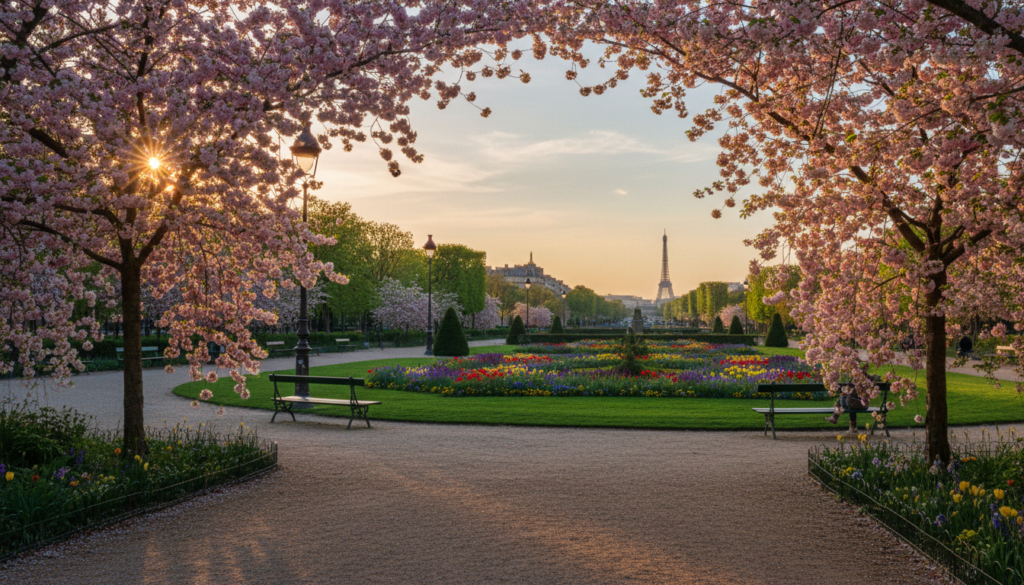
Paris shows its softer side with amazing green spaces. These parks and gardens have charmed visitors for centuries. They offer a break from city life and a chance to connect with nature.
Parisians love these green spots for many activities. You’ll see people reading, kids playing, and couples enjoying quiet moments. Best of all, most of these parks are completely free to visit, making them great for your budget.
Each park has its own charm and attractions. Whether you like neat lawns or wild landscapes, you’ll find a green space that suits your mood.
A Manicured Masterpiece in the Heart of Paris
The Luxembourg Gardens are a favorite spot in Paris. They cover 23 hectares of perfectly manicured greenery on the Left Bank. Marie de’ Medici started these gardens in the 1600s, inspired by Florence’s Boboli Gardens.
These gardens mix Italian Renaissance and French design. You’ll see colorful flowerbeds that change with the seasons. The central pond is perfect for sailing toy boats while parents relax.
The gardens have many activities. You can play chess, find a sunny spot, or have a picnic. Shaded paths offer cool spots on hot days. It’s a great place to relax between museum visits.
Elegant Greenery Between Iconic Landmarks
The Tuileries Garden lies between the Louvre and Place de la Concorde. It’s a green corridor along the Seine. The garden shows geometric pathways, perfectly trimmed hedges, and elegant fountains that show off classical design.
The garden offers great views in all directions. You can see the Louvre’s glass pyramid or the Champs-Élysées. In summer, a carnival adds fun to the space. It’s a perfect spot after the Louvre or before other attractions.
Paris’s Premier Botanical Treasure
The Jardin des Plantes is Paris’s main botanical garden and natural history museum. It’s home to thousands of plant species. The greenhouses take you to different climates, like rainforests and deserts.
Spring makes the jardin des plantes a flower show. The Grande Galerie de l’Évolution is a highlight, with taxidermied animals. It’s great for science fans and those seeking peace.
A Dramatic Landscape Escape
Parc des Buttes-Chaumont is different from Paris’s other gardens. It’s a romantic English-style park with dramatic hills, rocky cliffs, and a suspension bridge leading to a temple. It offers a wild, natural atmosphere.
The parc des buttes-chaumont has waterfalls, grottos, and winding paths. A serene lake reflects the temple, and steep slopes are great for jogging. This park makes you forget you’re in a major city, feeling like a mountain retreat.
Shopping and Market Experiences
Paris offers shopping experiences unlike anywhere else. You can find elegant department stores and flea markets. These places let you see Parisian culture and commerce up close.
From high-end designer goods to quirky vintage finds, Paris has something for everyone. These places are more than just shops. They give you a glimpse into Parisian life and traditions.
The Architectural Splendor of Department Store Shopping
Galeries Lafayette is a must-see in Paris. Even if you don’t buy anything, the building is worth a visit. Its stunning Art Nouveau stained-glass dome is a masterpiece.
The dome makes shopping feel like a cultural experience. Natural light shines through the glass, lighting up floors of luxury goods.
Galeries Lafayette offers unique experiences. You can take macaron-making classes with expert chefs. Learn how to make these famous French treats.
The rooftop terrace has free views of Paris. You can see the Eiffel Tower and Sacré-Cœur from here. It’s a great spot to take in the city.
The basement has a gourmet food hall. It’s filled with French delicacies. From cheeses to chocolates, you’ll find the best of France here.
The great Parisian department stores are not merely shops, but temples of style where architecture and commerce unite to create experiences that transcend ordinary retail.
World’s First Modern Department Store
Le Bon Marché is the world’s first department store. Founded in 1852, it introduced many retail concepts. These include fixed prices and money-back guarantees.
Le Bon Marché has a refined atmosphere. It’s different from Galeries Lafayette. Shopping here feels more intimate and curated.
The attached La Grande Épicerie food hall is a paradise for food lovers. It showcases the finest French ingredients and international specialties. The selection is impressive.
La Grande Épicerie offers rare products. You’ll find unique olive oils, exotic spices, and artisanal vinegars. It’s a haven for serious cooks and food enthusiasts.
Europe’s Largest Treasure Hunt
Marché aux Puces de Saint-Ouen is Europe’s largest antique market. It spans seven hectares with over 2,000 vendors. You can find everything from Belle Époque furniture to vintage Hermès scarves.
Exploring the market is an adventure. Each section specializes in different items. From antiques to vintage clothing, there’s something for everyone.
Spending several hours at Marché aux Puces de Saint-Ouen is recommended. The best finds often hide in unexpected corners.
Marché aux Puces de Vanves is a smaller alternative. It offers unique finds in a charming setting. The market is less overwhelming than Saint-Ouen.
The bouquinistes along the Seine are iconic. They sell vintage books, antique prints, and collectibles. Browsing them is a quintessential Parisian experience.
Shopping Like a Local Parisian
Rue Cler Market is a pedestrian market street in the 7th arrondissement. It shows how Parisians shop for daily needs. You’ll find fresh produce, artisanal cheeses, and more.
Shopping here immerses you in Parisian life. It feels like being a local. Watch locals pick out vegetables and debate cheese choices.
The street is pedestrian-friendly. Small cafés offer perfect spots to rest and observe the neighborhood. It’s a great place to relax and enjoy the atmosphere.
| Shopping Destination | Best For | Price Range | Time Needed |
|---|---|---|---|
| Galeries Lafayette | Luxury shopping, architecture, rooftop views, gourmet foods | Mid to High | 2-3 hours |
| Le Bon Marché | Refined shopping, La Grande Épicerie food hall, historic setting | Mid to High | 2-3 hours |
| Marché aux Puces de Saint-Ouen | Vintage finds, antiques, unique treasures, treasure hunting | Low to High | 3-4 hours |
| Rue Cler Market | Fresh local products, authentic experience, daily shopping | Low to Mid | 1-2 hours |
For a sweet treat, visit Angelina. This famous tearoom has been around for 120 years. Enjoy decadent hot chocolate and exquisite pastries. It’s a great place to relax and indulge.
Paris offers shopping experiences for everyone. From luxury to vintage finds, there’s something for everyone. Shopping in Paris creates lasting memories beyond the items you buy.
Unique Cultural Experiences
Paris offers experiences unlike anywhere else. You can enjoy glittering cabarets, explore underground tunnels, and more. These experiences reveal the city’s artistic soul and historical depths. They create memories that last a lifetime.
Legendary Cabaret Entertainment
The Moulin Rouge is famous for its can-can dance and has been around for over a century. It’s located in Montmartre, known for its iconic red windmill. The venue dazzles audiences with spectacular shows and talented dancers.
Each show lasts about two hours and brings back the glamour of Paris’s Belle Époque era. The dancers’ high-energy routines and stunning costumes make for an unforgettable night. Most shows include champagne service, adding extra sparkle.
Booking tickets early is key, as the Moulin Rouge sells out fast. You can also book dinner packages to enjoy French cuisine before the show.
Romantic Water Tours
Seine river cruises are a relaxing way to see Paris’s landmarks. These boat tours cost around €17 for an hour and offer stunning views. You’ll see the Eiffel Tower, Notre-Dame Cathedral, and more.
On your cruise, you’ll pass by the Eiffel Tower, Notre-Dame Cathedral, and the Louvre. You’ll also see beautiful bridges like Pont Alexandre III and Pont des Arts. Two companies, Bateaux Parisiens and Bateaux-Mouches, offer these tours.
Sunset cruises are magical, with monuments lit up and the sky changing colors. For special occasions, try dinner or champagne cruises.
Underground Ossuary Adventure
The Paris Catacombs are 20 meters below street level. They contain the bones of six million people. This underground world dates back to the 1700s.
Walking through the tunnels, you’ll see bones stacked in artistic arrangements. Skulls form circular patterns and decorative designs along the passages. It’s a haunting yet fascinating experience.
This attraction is very popular, so book timed tickets early. The underground temperature is cool all year, so bring a light jacket.
Famous Cemetery Landmark
Père Lachaise Cemetery is Paris’s largest burial ground. It’s also an outdoor museum of funerary art. With over 70,000 plots, it honors many historical figures.
Walking through the cemetery, you’ll find famous graves like Oscar Wilde’s and Jim Morrison’s. You’ll also see the graves of Édith Piaf, Frédéric Chopin, and Marcel Proust. Maps at the entrance help you find graves.
The cemetery is both a cultural landmark and a peaceful escape. It’s a place to appreciate beautiful sculptures and the tranquil atmosphere.
Family-Friendly Attractions
Paris is more than museums and monuments. It welcomes families with open arms and fun adventures. The city has family-friendly attractions that make sightseeing interactive and fun for kids. Planning helps balance famous landmarks with activities for young visitors.
Make exploring paris landmarks a game. Kids can search for architectural details or gargoyles. It makes learning fun, not boring.
The Magic of Disney Just Outside Paris
Disneyland Paris is about 20 miles from Paris. It’s a great day trip for families. The resort has two theme parks with different experiences. You can get there in 40 minutes by RER train.
Disneyland Park has classic rides and a fairytale castle. Walt Disney Studios Park is all about movies and behind-the-scenes fun. The European Disney is smaller, making it easier for young kids.
Tickets are affordable, with special deals for longer visits. You’ll find great food and European touches. A day is enough to see both parks, but two days is better.
Europe’s Premier Science Discovery Center
The Cité des Sciences et de l’Industrie is Europe’s biggest science museum. It’s in the Parc de la Villette complex. This best science museum in Paris turns learning into adventure. It has a planetarium, aquarium, and submarine to explore.
The Cité des Enfants has areas for different ages. Young kids have hands-on activities, while older ones explore more. It’s fun for kids and adults alike.
“The best family vacations aren’t about seeing everything—they’re about creating moments of wonder that children remember forever.”
Historic Amusement in the Bois de Boulogne
Jardin d’Acclimatation is an amusement park, zoo, and botanical garden. It’s been around for over 150 years. It has modern rides and classic charm. There are over 40 attractions for everyone.
It has roller coasters and gentle rides for kids. There’s a petting zoo and puppet shows. The gardens are peaceful and beautiful.
Underwater Adventures Near the Eiffel Tower
The Aquarium de Paris is near the Eiffel Tower. It has over 10,000 fish and invertebrates. The shark tank is huge, with 37 sharks.
There are touch pools for kids to pet marine animals. It’s a great way to learn about ocean life. The aquarium also offers educational programs.
Celebrity Encounters and Wax Figures
The Grévin Paris wax museum has lifelike figures of famous people. It’s a great place for photos. The French touch makes it unique.
There are interactive parts where you can pose with figures. The museum updates with new celebrities, keeping it fresh.
Strategic Tips for Family Sightseeing
Timing is key when visiting paris landmarks with kids. Go in the morning to avoid crowds. Take breaks at parks and playgrounds.
Enjoy treats like crêpes and ice cream. These small rewards keep kids moving. The Paris Museum Pass saves time in lines.
Here are some tips for family touring:
- Schedule no more than two major attractions per day
- Pack snacks and water bottles to avoid hunger-related complaints
- Use strollers even for older children who may tire unexpectedly
- Download offline maps to navigate without internet connection
- Book skip-the-line tickets in advance whenever possible
Make sightseeing interactive with games. Turn walking into fun with competitions. These tips make Paris fun for all ages.
Tips for Visiting Must See Attractions in Paris
Planning ahead is key when exploring Paris. Book your timed entry tickets early for spots like the Eiffel Tower and Louvre. These places get crowded fast, and walk-up visitors often wait a long time or miss out.
Buying skip-the-line tickets costs a bit more but saves time. If you’re visiting many places, consider a Paris Museum Pass or GoCity Pass. These passes get you into dozens of museums and monuments without long lines.
Visit attractions at off-peak times to avoid crowds. The Louvre is open until 9 PM on Wednesdays and Fridays, making it less busy. Use the Carrousel entrance in the underground mall to skip the big lines.
For Versailles, book your time slot around noon to avoid the morning rush. Buy round-trip train tickets at your starting station to skip the return line. At the Arc de Triomphe, use the underground tunnel for a safer crossing.
Don’t try to see everything at once. It can be tiring and you might miss the special moments that make Paris unforgettable. Audio guides at museums are about €6-8, and guided tours can help you see more efficiently.
Paris’s neighborhoods are close, making walking between them fun. Mix famous sights with café breaks and park visits for the best trip.
FAQ
How far in advance should I book tickets for Paris attractions?
Book tickets for Paris attractions early, ideally two to three months in advance. This is when most attractions release their tickets. Sites like the Eiffel Tower, Louvre Museum, and Palace of Versailles often sell out, mainly during peak seasons from April to October.
Booking early ensures you get your preferred time slots. Opt for skip-the-line tickets to save time. This allows you to enjoy more of your sightseeing.
What is the best time to visit the Eiffel Tower to avoid crowds?
Visit the Eiffel Tower early in the morning or late in the evening to avoid crowds. Sunset visits offer a beautiful view of Paris. The tower lights up every hour in the evening, creating a magical atmosphere.
For the best photos, go to Trocadéro Gardens at sunrise. Weekdays are less crowded than weekends.
Is the Palace of Versailles worth visiting and how much time should I allocate?
The Palace of Versailles is worth visiting for its royal opulence. Allocate a full day, about eight hours, for your visit. This includes travel time, walking, and exploring the estate.
The palace features the Hall of Mirrors, royal apartments, and gardens. Book a later time slot, like noon, to avoid crowds. Consider a guided tour for skip-the-line access and transportation.
How can I efficiently see the Louvre Museum highlights without getting overwhelmed?
To see the Louvre efficiently, plan your visit. Book tickets for later time slots, like 3:00 PM, when it’s less crowded. Visit on Wednesday or Friday evenings when the museum stays open until 9:00 PM.
Invest in a guided tour to navigate the museum efficiently. Focus on specific sections to avoid feeling overwhelmed. Enter through the Carrousel entrance to skip long lines.
What should I see during a Montmartre walking tour?
Your Montmartre tour should include the Sacré-Cœur Basilica and Place du Tertre. Don’t miss the Moulin Rouge. Explore charming streets and visit La Maison Rose.
Seek out authentic dining spots instead of overpriced restaurants. Discover hidden wine bars and bouquinistes for a unique experience.
Are Seine River cruises worth the cost and which company is best?
Seine River cruises are worth the cost, around €17 for a basic one-hour cruise. Both Bateaux Parisiens and Bateaux-Mouches offer great experiences. The classic route passes major landmarks.
Sunset cruises are magical, and dinner cruises are special for occasions. They offer a different view of the city.
When will Notre-Dame Cathedral reopen and can I visit now?
Notre-Dame Cathedral reopened in December 2024 after the 2019 fire. It’s now cleaner and more beautiful. Book free time slots in advance to skip long lines.
For an extra €16, access the Treasury to see sacred relics. The cathedral is easily accessible and a great starting point for exploring the island.
What are the best free attractions and activities in Paris?
Paris has many free attractions. Admire the Notre-Dame Cathedral exterior and visit Sacré-Cœur Basilica. Explore Luxembourg Gardens and Tuileries Garden.
Browse bouquinistes along the Seine and wander neighborhoods like Montmartre and Le Marais. Simply strolling along the Seine is free. The Galeries Lafayette rooftop offers panoramic views.
Should I purchase a Paris Museum Pass or city pass?
If you plan to visit many museums, consider a Paris Museum Pass or GoCity Pass. They save money and offer line-skipping privileges. Compare costs to decide.
Passes work best for several-day visits. Some attractions, like the Eiffel Tower, require separate tickets. They encourage exploring more attractions.
What’s the best way to get from Paris to Versailles?
The easiest way to Versailles is by RER C train from central Paris. It takes about 40 minutes to Versailles Château Rive Gauche station. The palace is a short walk away.
Purchase round-trip tickets in the morning to avoid long lines. Guided tours include transportation and skip-the-line access, which can be worth it.
Which Paris neighborhoods are best for first-time visitors to stay in?
Stay in central neighborhoods like Saint-Germain-des-Prés and Le Marais. They offer great location, atmosphere, and restaurants. Saint-Germain-des-Prés has Left Bank charm, while Le Marais blends history with cool vibes.
The 7th arrondissement near the Eiffel Tower offers elegance and proximity to attractions. Avoid areas far from attractions to save time.
How many days do I need to see the main attractions in Paris?
You need at least four to five days to see Paris’s main attractions without rushing. Spend one day on the Eiffel Tower, Arc de Triomphe, and Champs-Élysées.
Allocate a day for the Louvre Museum and another for Montmartre and Sacré-Cœur. Spend a day at Versailles. Add time for Notre-Dame, Musée d’Orsay, and exploring neighborhoods.
What’s the best way to photograph the Arc de Triomphe?
The classic Arc de Triomphe shot is from the Champs-Élysées. Visit at sunset or when the avenue lights up. Climbing to the top offers panoramic views.
Use the underground tunnel to reach the Arc, avoiding the chaotic traffic circle. Visit during golden hour for the best lighting.
Is Sainte-Chapelle really worth visiting?
Sainte-Chapelle is worth visiting for its stunning stained-glass windows. The 13th-century chapel is covered in over 1,000 biblical scenes. Visit on a sunny day for the best light.
The rose windows and soaring nave create an ethereal atmosphere. Located near Notre-Dame, it’s a must-see. Book timed tickets to avoid long lines.
What are the best family-friendly attractions in Paris for young children?
Disneyland Paris is a top choice for families, just 40 minutes from central Paris. The Jardin d’Acclimatation offers amusement park, zoo, and garden fun. The Cité des Sciences et de l’Industrie has interactive exhibits for kids.
The Aquarium de Paris near the Eiffel Tower has over 10,000 fish. Luxembourg Gardens offers free entertainment and playgrounds. Create treasure hunts to make sightseeing fun for kids.
Should I visit the Louvre or Musée d’Orsay if I only have time for one museum?
Choose based on your artistic interests. The Louvre has a vast collection spanning thousands of years. It’s perfect for art history enthusiasts.
The Musée d’Orsay specializes in Impressionist and post-Impressionist art. Its layout is easier to navigate, making it a more enjoyable experience.
What should I see during a Montmartre walking tour?
Visit the Sacré-Cœur Basilica and Place du Tertre during your Montmartre tour. Don’t miss the Moulin Rouge. Explore charming streets and visit La Maison Rose.
Seek out authentic dining spots and hidden wine bars. Discover bouquinistes for a unique experience.
Are there any good shopping areas in Paris beside the Champs-Élysées?
Yes, Paris has better shopping than the Champs-Élysées. Galeries Lafayette and Le Bon Marché offer luxury goods and gourmet food halls. The Marché aux Puces de Saint-Ouen has antiques and vintage treasures.
Rue Cler Market offers an authentic neighborhood shopping experience. Le Marais has trendy boutiques and art galleries. Saint-Germain-des-Prés has upscale boutiques and bookshops.
How do I navigate Paris’s arrondissement system?
Paris is divided into 20 arrondissements, starting from the center. The first four are historic, including Île de la Cité and Le Marais. Lower numbers (1-8) have major attractions.
Each arrondissement has its own character. Understanding the system helps plan your itinerary. Addresses include the arrondissement number, and postal codes indicate the area.
What should I know about visiting the Paris Catacombs?
The Paris Catacombs require booking timed tickets well in advance. They attract huge crowds and have limited capacity. The visit descends 20 meters underground.
The experience takes about 45 minutes to an hour. Bring a light jacket, as it’s cool underground. Photography is allowed, but no flash. It’s not suitable for young children or those uncomfortable with death imagery.