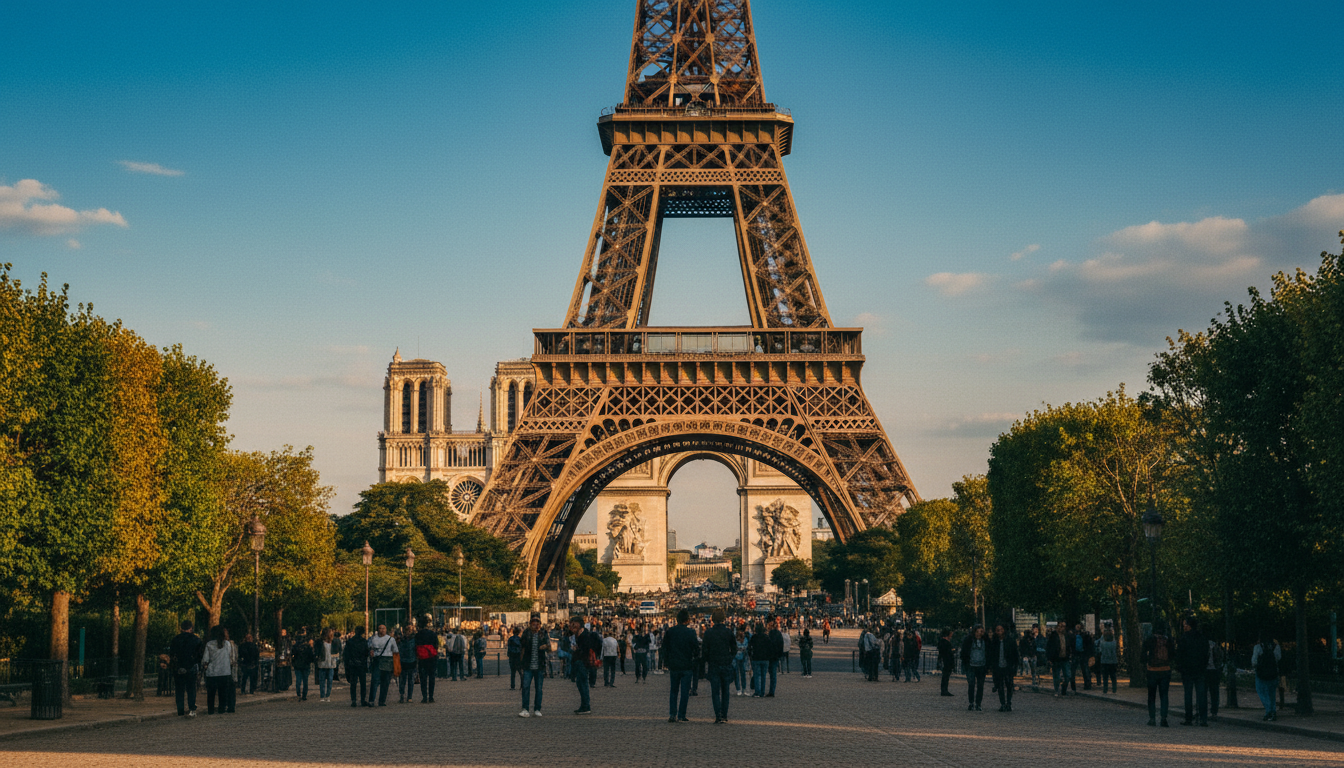
Have you ever wondered why millions of travelers dream of visiting Paris? It’s known as the City of Light because it was the first to light its streets with gas lamps in the 19th century. Today, it remains a favorite destination around the world.
Exploring Paris is easier when you know its layout. The city is divided into arrondissements, or neighborhoods, numbered in a spiral pattern. Many iconic landmarks every visitor must see are close to each other.
The Eiffel Tower Paris is the city’s most famous symbol, built by Gustave Eiffel in 1887 for the World Fair. The Arc de Triomphe marks the start of the Champs-Élysées, with amazing views from its rooftop. Montmartre’s Sacré-Cœur Basilica sits on a hill in the 18th arrondissement. Notre-Dame Cathedral has reopened after its 2019 fire. These paris landmarks and monuments show Paris’s rich history, from medieval times to the 19th century.
Key Takeaways
- Paris earned its “City of Light” nickname from pioneering gas street lighting in the 19th century
- The arrondissement system organizes the city into numbered neighborhoods with many landmarks within walking distance
- The Eiffel Tower was constructed in 1887 specifically for the 1889 World Fair celebration
- Arc de Triomphe offers one of the best panoramic views from its rooftop viewing platform
- Sacré-Cœur Basilica sits atop Montmartre hill in the 18th arrondissement district
- Notre-Dame Cathedral recently reopened after restoration from the devastating 2019 fire
- These landmarks showcase different historical periods from medieval times to modern engineering achievements
Iconic Landmarks Every Visitor Must See
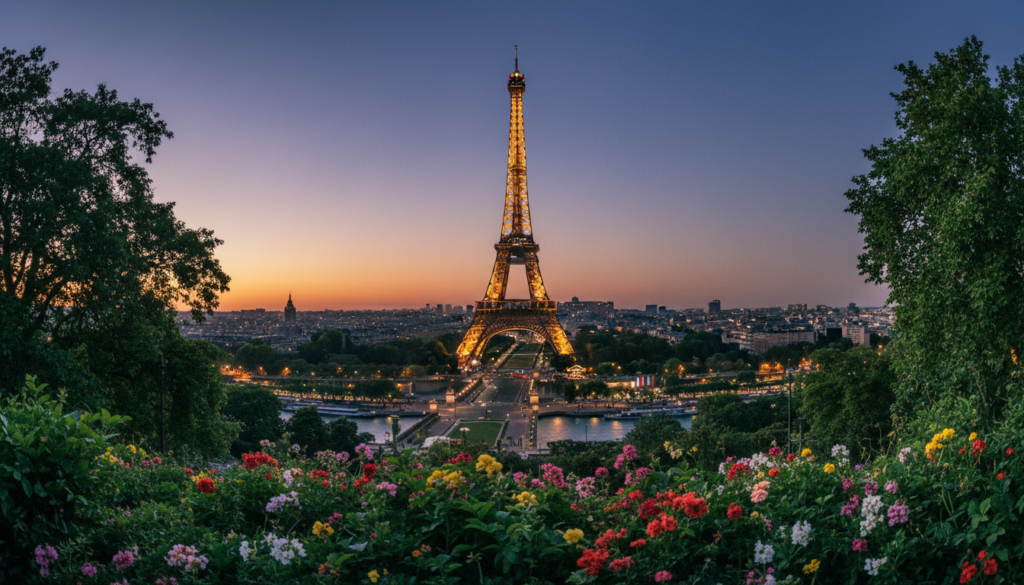
Four extraordinary landmarks stand as gatekeepers to understanding Paris, each offering a unique window into the city’s soul. These monuments and landmarks represent different eras and architectural styles that together paint a complete picture of Parisian heritage. Visiting each one provides not just photo opportunities, but genuine connections to the history and culture that make Paris unforgettable.
Planning your time around these structures ensures you experience the most recognizable symbols of the French capital. Each landmark offers distinct perspectives on the city, from sweeping panoramic views to intimate architectural details that reward close inspection.
Eiffel Tower
The Eiffel Tower remains the most famous landmark in Paris, constructed by engineer Gustave Eiffel for the 1889 World Fair. This iron lattice tower reaches 330 meters into the sky and welcomes millions of visitors annually who come to experience its three distinct levels.
You can reach the various observation decks by climbing 674 steps or taking an elevator to save your energy. Three restaurants and a champagne bar await at different heights, offering dining experiences with unmatched views across the cityscape.
Never line up with the masses for hours when visiting this iconic structure. Your best strategy involves purchasing timed ticket entry in advance, which allows you to skip the lengthy ground-level queues and proceed directly to security checkpoints.
For capturing the perfect photograph, head to Trocadéro across the Seine River. This elevated plaza provides the most stunning vantage point and ranks among the top paris landmark photography spots where both professional and amateur photographers gather at sunrise and sunset.
Arc de Triomphe
The Arc de Triomphe honors French military victories and offers incredible panoramic views after you climb its 284 steps to the rooftop terrace. From this arc de triomphe viewpoint, you’ll gaze across Paris toward the Champs-Élysées stretching below, the Eiffel Tower in one direction, and Montmartre’s white basilica in another.
Reaching the monument safely requires using underground pedestrian passageways that connect from the Champs-Élysées to the area beneath the arch. Never attempt to cross the chaotic roundabout at street level, as the traffic circle surrounding this monument sees constant vehicle flow from twelve different avenues.
Entry to the area underneath the arch comes free of charge, allowing you to admire the Tomb of the Unknown Soldier and eternal flame. However, tickets to ascend to the arc de triomphe viewpoints cost between €16 and €22, with variations based on age and whether you qualify for reduced admission.
“From the top of the Arc de Triomphe, Paris unfolds like a grand design, revealing the city’s careful geometry and the vision of those who shaped its streets.”
Sacré-Cœur Basilica
The Sacré-Cœur Basilica sits majestically atop Montmartre hill, its white Romano-Byzantine domes visible from numerous points across Paris. The sunset crowds gathering on the front steps can feel overwhelming during peak tourist season, but the basilica’s interior and surrounding neighborhood reward those who venture beyond the main plaza.
Montmartre’s terrain presents challenges with very hilly streets and numerous staircases throughout the district. A small funicular railway runs from the carousel area at the base up to Sacré-Cœur, providing relief for visitors who prefer not to tackle the steep climb on foot.
The neighborhood surrounding this landmark deserves exploration for its artistic history and charming cobblestone streets. You’ll discover intimate squares, local bistros, and the bohemian atmosphere that once attracted painters like Picasso and Van Gogh to establish studios here.
Notre-Dame Cathedral
Notre-Dame Cathedral has reopened following extensive notre-dame cathedral restoration work necessitated by the devastating 2019 fire that shocked the world. The cathedral’s interior now appears remarkably clean and restored, allowing visitors to appreciate the Gothic architecture’s full splendor with renewed clarity.
Entry to the cathedral for notre-dame cathedral sightseeing can involve waiting more than an hour in line during busy periods. Your best approach involves arriving before 9-10 a.m. when queues remain manageable, or alternatively, attending one of the daily mass services which allows you to enter through a separate entrance and skip the tourist line entirely.
The iconic towers that Victor Hugo immortalized in literature remain closed to visitors as restoration work continues. Cathedral officials have not announced a definitive reopening date for tower access, so current visits focus exclusively on the magnificent nave, stained glass windows, and architectural details at ground level.
These cool attractions in Paris provide essential experiences that connect you to the city’s past and present. Each landmark tells its own story while contributing to the larger narrative of Parisian identity and cultural achievement.
| Landmark | Admission Cost | Physical Challenge | Best Visiting Time | Unique Feature |
|---|---|---|---|---|
| Eiffel Tower | €18-€28 | 674 steps or elevator | Early morning or evening | Three restaurants with city views |
| Arc de Triomphe | €16-€22 | 284 steps to top | Late afternoon for sunset | Twelve avenues converge below |
| Sacré-Cœur Basilica | Free entry | Steep hill or funicular | Morning before crowds | Highest natural point in Paris |
| Notre-Dame Cathedral | Free entry | Ground level only | Before 9 a.m. or during mass | Restored post-fire interior |
Popular Tourist Attractions in Paris for Art and Museum Lovers
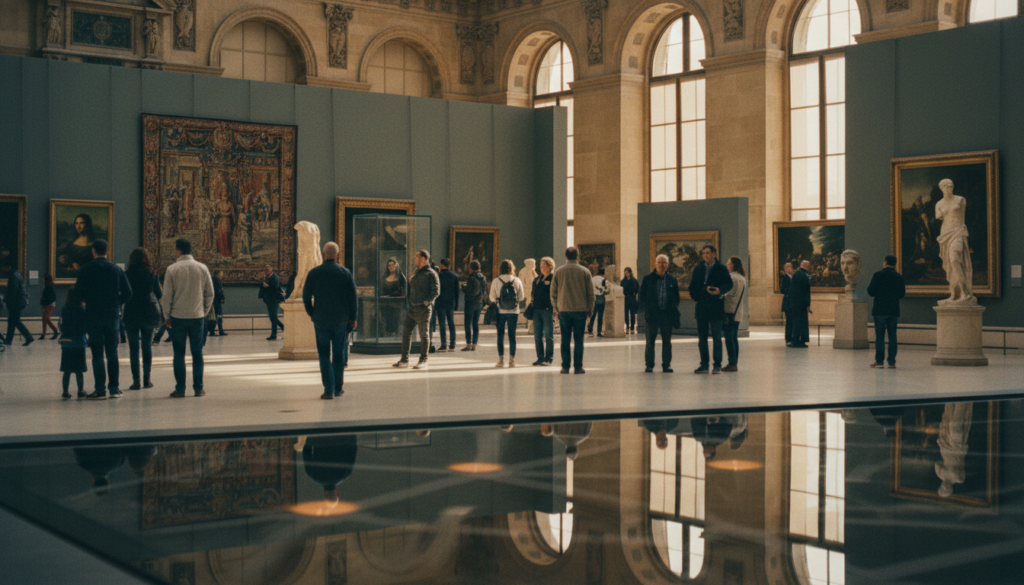
If you love art and museums, Paris is a dream come true. It has some of the world’s most famous art collections. You can spend days exploring or just a few hours with your favorite pieces.
Planning your museum visits is key to enjoying Paris. Knowing what each museum offers and how to avoid crowds makes your trip unforgettable.
Musée du Louvre
The musée du louvre is the world’s largest art museum. It’s in a former royal palace by the Seine River. With over 60,000 square meters of galleries, it’s huge.
The Mona Lisa is a big draw, but she’s small and in a crowded room. The museum plans to give her a special room soon. This will make seeing her better for everyone.
There’s more to see than just the Mona Lisa. The Venus de Milo and the Winged Victory of Samothrace are stunning. The Egyptian antiquities and Napoleon III Apartments are also must-sees.
Guided tours are the best way to see the Louvre. Guides share stories and show you hidden gems. If you prefer to explore alone, skip the Denon Wing and go to the Richelieu Wing instead.
Visiting early or late can make a big difference. Early morning or evening visits are quieter. This lets you enjoy the art more.
Tickets for the Louvre start at €22. Kids under 18 and EU residents under 26 get in free. Buying tickets online saves you from long queues.
Musée d’Orsay
The musée d’orsay is in a beautiful Beaux-Arts railway station. It’s smaller than the Louvre but just as impressive. You can see the highlights in two to three hours.
This museum focuses on French art from 1848 to 1914. You’ll see works by Monet, Renoir, and Van Gogh. The top floor has great views and Impressionist paintings.
Many people like the Musée d’Orsay more than the Louvre. It’s smaller and has a focused collection. Tickets are €16, which is a great deal for the art you’ll see.
Centre Pompidou
The centre pompidou is known for its bold design. It looks like a factory but is actually a modern art museum. It opened in 1977 and is now a Paris landmark.
Inside, you’ll find Europe’s largest collection of modern art. There are works by Picasso, Matisse, and Warhol. The rooftop has amazing views of Paris.
The Centre Pompidou is different from traditional museums. It’s perfect for those interested in modern art. Admission is €15 for the museum collections.
Musée de l’Orangerie
The musée de l’orangerie is famous for Monet’s Water Lilies. The museum is in the Tuileries Gardens. It’s a peaceful place to see art.
Monet’s paintings are huge and wrap around the walls. They create a calming effect. Spending an hour here is perfect for a deep art experience.
The museum also has works by Cézanne, Renoir, and Picasso. Admission is €12.50. It’s a great value for such a special collection.
| Museum | Specialty | Time Needed | Admission Price | Best Feature |
|---|---|---|---|---|
| Musée du Louvre | Classical art, ancient civilizations, Renaissance masterpieces | Half day to multiple days | €22 | World’s most famous artworks including Mona Lisa and Venus de Milo |
| Musée d’Orsay | Impressionist and Post-Impressionist art (1848-1914) | 2-3 hours | €16 | Housed in beautiful Beaux-Arts railway station with focused collection |
| Centre Pompidou | Modern and contemporary art (20th-21st century) | 2-3 hours | €15 | Radical architecture and rooftop views of Paris |
| Musée de l’Orangerie | Monet’s Water Lilies and Impressionist works | 1 hour | €12.50 | Intimate experience with Monet’s monumental panels in specially designed rooms |
Historic Monuments and Architectural Treasures
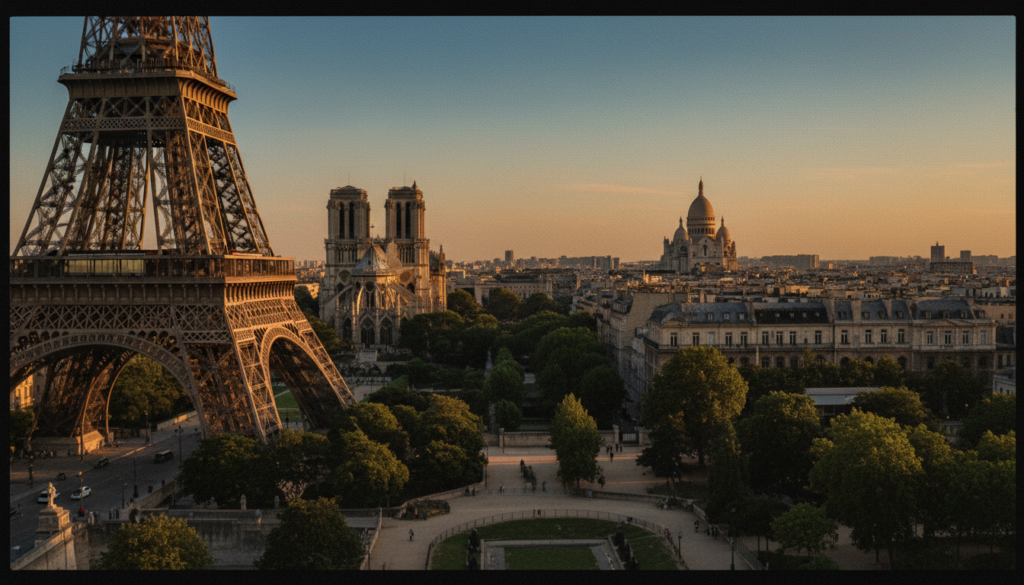
The streets of Paris are filled with historic monuments and architectural wonders. These buildings have seen coronations, revolutions, and the growth of French art. Each one tells a story of the people who built it and the events that shaped France.
From medieval chapels with stunning stained glass to grand opera houses with gold details, these sites offer a deep look into Paris’s history. They show the vision of kings, emperors, and architects who shaped the city. Visiting these places reveals layers of history that famous landmarks sometimes hide.
A Gothic Jewel with Heavenly Windows
Sainte-Chapelle is a hidden gem on Île de la Cité. King Louis IX built this Gothic chapel in the 1200s to house his Passion relics. It was a sacred reliquary and a symbol of royal piety.
The chapel’s stunning 50-foot-tall stained glass windows are its main attraction. These windows show over 1,000 Biblical scenes in vibrant colors. Most of these windows are original from the 13th century.
The preservation of these medieval stained glass windows for nearly 800 years is remarkable. Looking up, you’ll see a rainbow of colors that create an otherworldly atmosphere. Many visitors find it transcendent.
Visiting Sainte-Chapelle costs €19. It’s important to book tickets in advance to avoid long lines. The chapel’s small size means it fills up quickly. Spend at least 30 minutes inside to fully appreciate it.
Military Glory and an Emperor’s Final Rest
The Les Invalides and Napoleon’s Tomb stand out with its golden dome. Built in the 1670s as a hospital for war veterans, it now houses military museums and Napoleon’s tomb.
Napoleon Bonaparte’s remains are buried beneath the golden dome in six coffins. The tomb is in an open circular crypt where you can see the red quartzite sarcophagus. This highlights Napoleon’s lasting impact on French history and military tradition.
The Musée de l’Armée inside Les Invalides has a world-class collection of military artifacts. You’ll see armor from medieval times, weapons from major European conflicts, and personal items of famous French military leaders. The exhibits show France’s military evolution through centuries of warfare and innovation.
The building’s architectural grandeur is impressive, with classical facades and courtyards. The Dome Church is a masterpiece of French Baroque architecture. Spend at least two hours to explore the museums and Napoleon’s Tomb fully.
France’s Temple of Great Citizens
The Panthéon sits atop the Left Bank’s highest point as a neoclassical monument to French achievement. Originally a church dedicated to Saint Genevieve, it became a secular mausoleum during the French Revolution. It now honors France’s most honored citizens.
Inside, you’ll find the tombs of Voltaire, Rousseau, Victor Hugo, Marie Curie, and many others. Walking among these graves offers a unique view of French intellectual and cultural history. Being buried in the Panthéon is a great national honor.
The building’s massive dome dominates the interior, rising 272 feet above the floor. Foucault’s Pendulum hangs in the center, showing Earth’s rotation. This connects the building’s religious origins to Enlightenment values.
Large murals on the walls depict scenes from French history and Saint Genevieve’s life. The neoclassical architecture creates a solemn atmosphere for honoring national heroes. Entry fees vary, but the Panthéon accepts the Paris Museum Pass for easy access.
Where Opera Meets Architectural Opulence
The Palais Garnier Opera House is a symbol of 19th-century luxury and theatrical grandeur. Emperor Napoleon III commissioned it in the late 1800s for the Paris Opera. Architect Charles Garnier designed what many call the most beautiful opera house in the world.
The 1,979-seat auditorium features red velvet seats, gilded boxes, and a famous painted ceiling by Marc Chagall. The chandelier weighing over six tons is the centerpiece. During the day, you can explore the auditorium if no rehearsals are scheduled.
The Grand Foyer stretches 177 feet long and is covered in gold leaf. It has massive mirrors, ornate chandeliers, and painted ceilings. The marble Grand Staircase is the opera house’s dramatic entrance, where elegant patrons once showed off their finest clothes.
Fans of literature will recognize the Palais Garnier as the setting for The Phantom of the Opera. You can visit Box Five, where the mysterious phantom supposedly sat. The underground lake beneath the building inspired key elements of the famous story.
Entry costs €15, with an optional €8 upgrade for a multimedia guide. This guide offers a 90-minute tour with visual elements. Advanced booking is highly recommended as tickets often sell out, especially during peak tourist seasons. The opera house sometimes closes for performances, so check the schedule before planning your visit.
| Monument | Entry Fee | Key Highlight | Time Needed | Booking Priority |
|---|---|---|---|---|
| Sainte-Chapelle | €19 | 13th-century stained glass windows | 30-45 minutes | Essential (long queues) |
| Les Invalides | €14 | Napoleon’s Tomb and military museums | 2-3 hours | Recommended |
| Panthéon | €11.50 | Tombs of French luminaries | 1-1.5 hours | Optional |
| Palais Garnier | €15 (€23 with guide) | Gold Grand Foyer and Chagall ceiling | 1.5-2 hours | Essential (sells out) |
These historic monuments and architectural wonders show Paris beyond its famous attractions. Each building tells a story of French history and artistic achievement. Together, they create a narrative of power, faith, artistic ambition, and national pride that spans nearly a millennium.
Popular Tourist Attractions in Paris for Garden and Park Visits
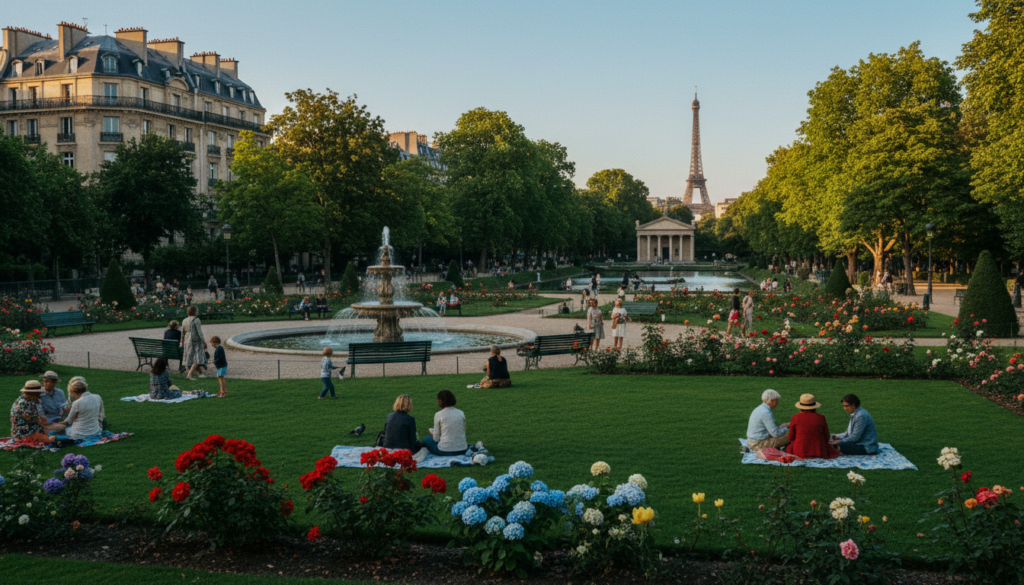
Paris shows its softer side through beautiful gardens and parks. These places are great for a break from museums and landmarks. All of these parks are free to visit, making them perfect for any trip.
You’ll find everything from French gardens to elevated walkways. Each park is perfect for picnics, watching people, and quiet thinking.
A Royal Garden in the Heart of Paris
The Jardin du Luxembourg is a favorite in Paris. It’s a 23-hectare garden around the Luxembourg Palace in the 6th arrondissement. Marie de’ Medici started it in the 17th century, leaving a mark on French garden design.
The garden has an octagonal pond called the Grand Bassin. Kids sail model boats on sunny days. The garden has tree-lined paths, lawns, and flowerbeds that change with the seasons.
You can play chess, have picnics, or just watch life go by. The jardin du luxembourg has something for everyone, from joggers to families.
Historic Gardens Between the Louvre and Concorde
The Jardin des Tuileries is over 300 years old. It’s between the Louvre Museum and Place de la Concorde. It’s a key green space in central Paris.
Fountains and trees line the paths. On nice days, people stroll or relax by the fountains. You can see the Eiffel Tower from some spots in the garden.
The garden’s design is classic French. Paths lead through sections with sculptures, adding beauty to nature.
A Local Favorite Away from Tourist Crowds
Parc des Buttes-Chaumont is a local gem in the 19th arrondissement. It has unique topography, with wooded areas, trails, and a lake with a rocky butte. It feels far from city life.
It’s not crowded with tourists, so it’s great for locals. The park has grottos, waterfalls, and a temple on an island. A suspension bridge connects to the island.
Families picnic on the slopes. Joggers tackle the hills. The park’s natural design is a nice change from Paris’s formal gardens.
An Elevated Park Built on Railway History
The Coulée Verte René-Dumont, or La Promenade Plantée, is a park on an old railway. It’s a unique walkway through neighborhoods. It was a pioneer before New York’s High Line.
Walking or jogging here, you see Paris from above. The path stretches for nearly three miles, offering views of architecture and life. Trees and plants soften the viaduct.
Sunset walks here are magical. The high view offers quiet time while still being part of the city. This free attraction combines nature, history, and innovation in a memorable way.
Seine River and Waterfront Attractions
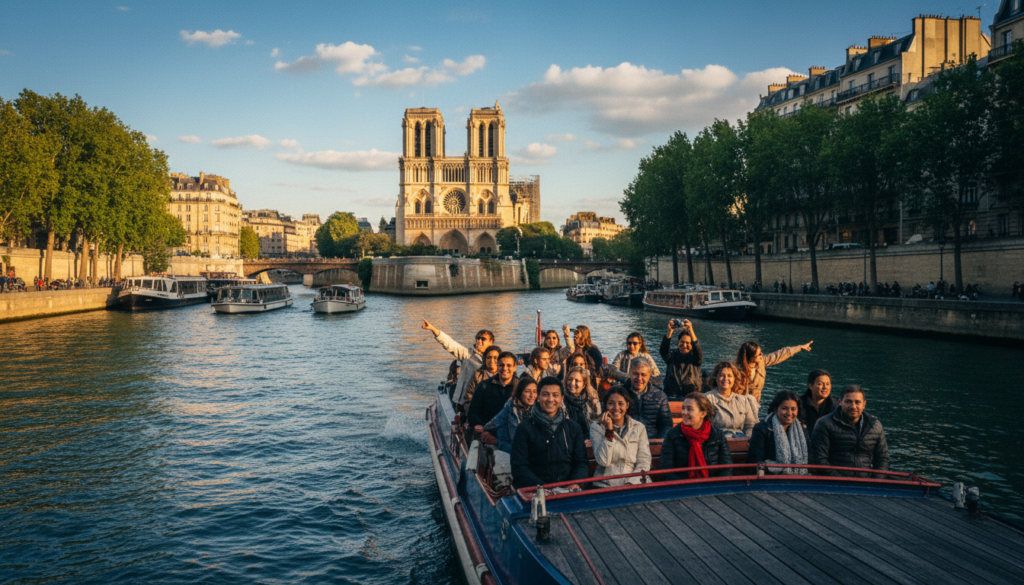
Spending time along the Seine River in Paris is a must. The river connects many landmarks and offers a fresh view of the city. You can cruise, stroll, or admire historic bridges for unforgettable moments.
The Seine’s banks are a UNESCO World Heritage Site. They feature charming walkways, architectural wonders, and hidden gems cherished by Parisians for centuries.
Floating Through Paris on the Water
Seine River sightseeing cruises are a top activity. They offer unmatched views of Paris’s famous sights. You’ll see landmarks while relaxing on a comfortable boat.
Standard one-hour cruises start near the Eiffel Tower for about €17. You’ll pass by Notre-Dame, Musée d’Orsay, and more. It’s a great way to see the city and take photos.
Dinner cruises cost between €75 and €100. They combine French cuisine with stunning views. You can also find cruises with champagne tastings or waffle tastings.
The best time for a cruise is before dinner or at sunset. The golden hour lighting makes the city magical. A Christmas Day lunch cruise was a wonderful experience, proving year-round enjoyment.
Go City passes include a Seine River cruise. This saves money and lets you experience this iconic activity. Book in advance during peak seasons for your preferred time.
| Cruise Type | Duration | Starting Price | Best For |
|---|---|---|---|
| Standard Sightseeing | 1 hour | €17 | First-time visitors and families |
| Dinner Cruise | 2-3 hours | €75-€100 | Romantic occasions and special celebrations |
| Champagne Tasting | 1.5 hours | €45-€60 | Couples and wine enthusiasts |
| Evening Entertainment | 2 hours | €35-€50 | Groups and those seeking nighttime views |
The Most Beautiful Bridge in Paris
Pont Alexandre III is the most ornate bridge. It was built for the 1900 World’s Fair. It connects the Champs-Élysées with Les Invalides.
The bridge has golden sculptures representing Fame, Arts, Sciences, and Commerce. These statues shine in the sunlight, making great photos. The bridge features Art Nouveau lamps and sculptures, showing the era’s artistic ambition.
Many photographers love this bridge for classic Paris shots. You can walk across or view it from the river or a cruise. Its design was an engineering marvel when built.
Paris’s Oldest Standing Bridge
Pont Neuf and Île de la Cité is Paris’s oldest bridge. It was built in 1607. It connects the Left Bank and Right Bank and gives access to Île de la Cité.
The bridge offers a unique view of the river. Underground passageways near the bridge lead to the island. You can explore Square du Vert-Galant, a peaceful park.
The bridge has semicircular benches in its arches. Street performers and artists often perform here. It’s close to Sainte-Chapelle and Notre-Dame Cathedral.
Riverside Strolling and Recreation
The Berges de Seine Promenade turned the Seine’s banks into pedestrian spaces. These walkways are perfect for walking, jogging, or enjoying the view.
The promenade has floating gardens, exercise equipment, and children’s play areas. In summer, it hosts pop-up cafés and cultural events. You can find bouquinistes, riverside book sellers, along the way.
The bouquinistes have sold books and collectibles for 300 years. They offer unique souvenirs with history. The promenade is beautiful at night when the monuments are lit up.
Evening strolls are magical. You can bring a picnic or enjoy free yoga classes in summer. The waterfront connects many attractions, making it a scenic route.
Popular Tourist Attractions in Paris by Neighbourhood
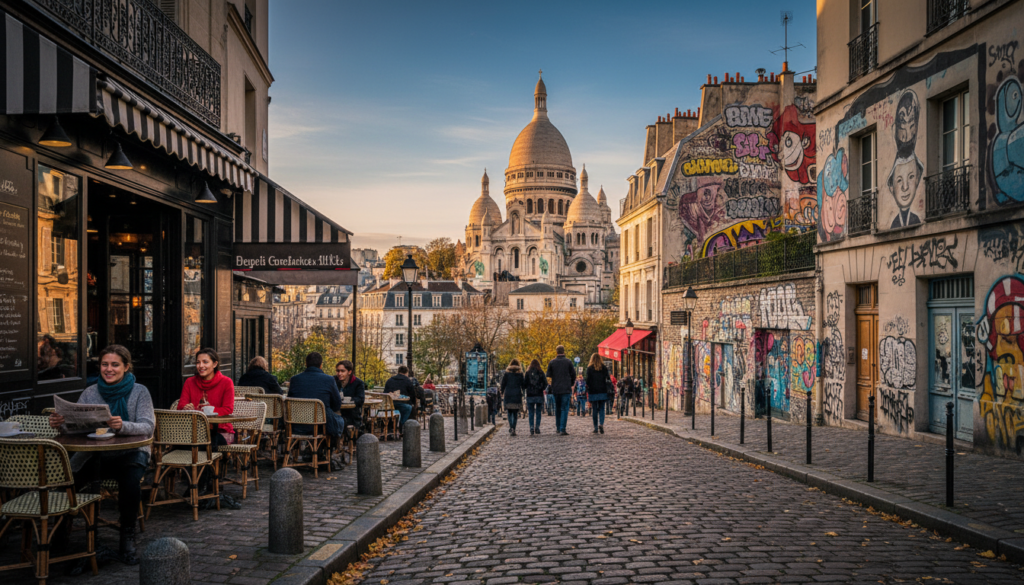
Exploring Paris by neighbourhood offers a real taste of the city’s culture. Each area has its own vibe, from old streets to artistic hills. By exploring these areas, you can see Paris beyond famous spots and connect with its true essence.
Paris’s neighbourhoods are full of life where history and daily life mix. Walking through these areas, you’ll find hidden spots, local markets, and cozy cafes that guidebooks often miss.
Le Marais and Place des Vosges
Le Marais is in the 3rd and 4th arrondissements, with narrow streets full of history. This area mixes medieval architecture with modern culture, creating a unique atmosphere. You’ll see old mansions next to trendy shops, and art galleries near bakeries.
The highlight of le marais and place des vosges is the stunning Place des Vosges. This square has elegant arcades and gardens that have been loved by Parisians since 1612. You can walk through the arcades, admire the buildings, or relax in the gardens.
Rue des Francs-Bourgeois is the heart of Le Marais, with cool cafes and unique shops. You’ll find hidden courtyards and markets with artisanal treats. Every corner has a story that blends aristocratic charm with bohemian spirit.
Montmartre and Place du Tertre
The Montmartre neighborhood in the 18th arrondissement was once a village for starving artists. Famous artists like Picasso and Van Gogh lived here during their early years. Today, it still has an artistic vibe, welcoming visitors from all over.
Montmartre neighborhood exploration requires comfortable shoes because it’s very hilly. The streets are winding, revealing charming squares and views. The effort is worth it for the views and atmosphere.
Place du Tertre is the heart of Montmartre, where artists sell their work. You can watch painters or have your portrait sketched in the square. This tradition connects to the neighborhood’s artistic past.
Square Marcel Bleustein Blanchet offers panoramic views of Paris without the crowds. The montmartre paris attractions include quiet streets with ivy-covered buildings. While famous cafes may have long waits, Montmartre is worth exploring for its true character.
Saint-Germain-des-Prés
The Saint-Germain-des-Prés neighborhood on the Left Bank is Paris’s intellectual heart. It has historic cafes where philosophers and writers have gathered for generations. You’ll find beautiful hotels and cafes with perfect croissants on every corner.
The area is known for its jazz clubs and bookshops, keeping the creative spirit alive. Elegant buildings frame the streets, with high-end galleries and antique shops to explore. The atmosphere is distinctly Parisian, with a refined elegance.
Experience the café culture at places that welcomed existentialist philosophers. The streets are charming and walkable, offering a glimpse into the Paris that inspired many literary works.
Latin Quarter and the Sorbonne
The Latin Quarter in the 5th arrondissement is full of academic energy, centered around the Sorbonne university. Narrow medieval streets create a maze where students and tourists meet in cozy bistros. This neighborhood has been shaped by the Sorbonne for centuries.
Shakespeare and Company bookstore is a literary haven along the Seine, with eclectic titles. This iconic spot attracts book lovers, though it can be crowded. The latin quarter paris attractions mix intellectual heritage with vibrant street life.
You’ll find affordable restaurants with cuisine from around the world, along with traditional French places. The streets reveal hidden squares and old churches. Student energy keeps the area lively, offering a mix of history and modern life.
| Neighborhood | Best Known For | Atmosphere | Key Features |
|---|---|---|---|
| Le Marais | Medieval architecture and trendy boutiques | Eclectic mix of old and new | Place des Vosges, hidden courtyards, artisanal markets |
| Montmartre | Artistic heritage and hilltop views | Bohemian and romantic | Place du Tertre artists, winding streets, steep hills |
| Saint-Germain-des-Prés | Literary cafes and sophistication | Intellectual and refined | Jazz clubs, boutique hotels, Left Bank elegance |
| Latin Quarter | Academic tradition and bookshops | Youthful and energetic | Sorbonne university, Shakespeare and Company, narrow streets |
Exploring Paris by neighbourhood gives you a deeper understanding than just visiting monuments. Each area offers montmartre district experiences and cultural insights that connect you to local life. You’ll find that Paris’s real magic lives in these areas, where history and modern culture create unforgettable moments.
Cultural and Entertainment Attractions
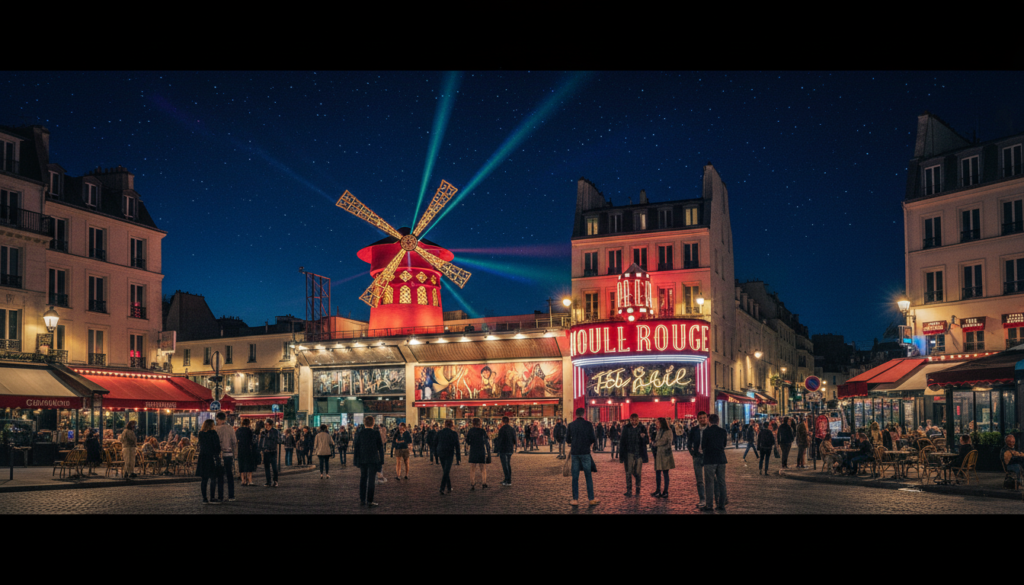
Paris has more than just famous sights. It offers cultural and entertainment experiences that are unforgettable. You can see glittering cabarets, explore underground ossuaries, or visit peaceful cemeteries and grand palaces. Each place gives you a special look at Paris’s culture and history.
Looking for something to do at night or during the day? These attractions offer experiences that are different from the usual tourist spots. They make your trip to Paris even more special.
The Legendary Cabaret Experience
The Moulin Rouge has been a Paris icon since 1889. It’s famous for its nightly shows in Montmartre. The performances feature elaborate dance numbers with stunning costumes.
Tickets cost over $100 (€118) per person. You’ll sit at narrow tables on somewhat uncomfortable chairs. The female dancers perform mostly topless, but the costumes are the main attraction.
There are big company numbers and two-person acts. But skip the dinner show for cramped conditions and high cost. Photography is not allowed inside.
The show is a feast of costumes and spectacle. But, set your expectations for the choreography and seating.
Underground Ossuary Adventure
The Catacombs of Paris are a unique historical site. They contain the bones of millions of Parisians from the 1700s. The city’s cemeteries were overcrowded.
The bones are stacked along the tunnel walls. The environment is dark and damp. It’s an atmospheric but possibly unsettling experience.
Some find the Catacombs fascinating, while others are uncomfortable. Think about your feelings about skeletal displays before going. It offers a unique look at Paris’s past.
Celebrity Resting Place
Père Lachaise Cemetery is different from the Catacombs. It’s a peaceful, tree-lined burial ground. You can visit the graves of famous figures in art, literature, and music.
You can see the graves of:
- Oscar Wilde, the Irish playwright and poet
- Jim Morrison, lead singer of The Doors
- Edith Piaf, France’s beloved chanteuse
- Frédéric Chopin, the renowned composer
- Marcel Proust, influential French novelist
The cemetery’s beautiful pathways and elaborate tombstones create a contemplative atmosphere. Unlike the Catacombs, Père Lachaise Cemetery is above ground. You can wander and reflect on mortality and legacy.
Royal Splendor Beyond the City
The Palace of Versailles is a must-see day trip from Paris. It’s about 50 miles from the city center. This stunning Baroque palace showcases the French monarchy’s excesses.
Key highlights of Versailles Palace include:
- The opulent Hall of Mirrors with its 357 mirrors and chandeliers
- Marie Antoinette’s charming hamlet built in 1783
- Sprawling formal gardens featuring fountains and sculptures
- Lavishly decorated royal apartments
For palace of versailles day trips, you can take the RER train for about €4 each way. This is a budget-friendly option. Or, you can take organized palace of versailles tours for convenience.
Full access tickets start around €20. Guided palace of versailles tours cost more but include transportation and expert commentary. Spend at least half a day to fully appreciate the palace and grounds.
The Palace of Versailles is truly magnificent. It offers a glimpse into the lifestyle that sparked the French Revolution. You’ll also see architectural and artistic masterpieces.
Popular Tourist Attractions in Paris for Families
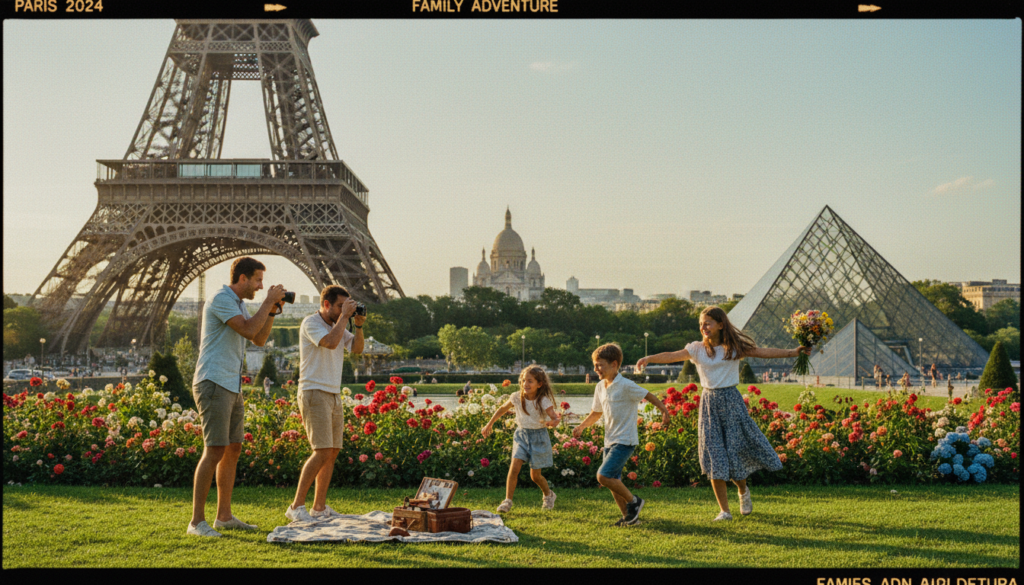
Paris is a treasure trove for families, offering a mix of fun and learning. It has museums with hands-on exhibits, amusement parks in historic gardens, and marine attractions. These places make learning fun for kids and entertaining for adults.
Choosing the right popular tourist attractions in Paris for families is key. Look for places that let kids explore and play. This way, they learn through fun activities, not just watching.
For tips on exploring Paris with kids, check out this guide: Exploring Paris with Kids. It includes treasure hunt activities to keep kids excited at famous landmarks.
The Magic of the Mouse House Outside Paris
Disneyland Paris is Europe’s top theme park, just 32 kilometers from Paris. It offers Disney magic and European charm. You’ll find two parks: Disneyland Park with its fairytale castle and themed lands, and Walt Disney Studios Park with cinema and animation.
Disneyland Paris is easy to get to by RER A train in about 40 minutes. It has rides for all ages, from gentle ones for toddlers to thrilling ones for teens. There are character meet-and-greets, parades, and shows that kids will remember for years.
Think about getting multi-day tickets to see both parks without rushing. The FastPass option can help skip long lines, especially useful for young kids.
Europe’s Largest Interactive Science Museum
The Cité des Sciences et de l’Industrie is Europe’s biggest science museum, covering five floors. It makes science fun for kids and interesting for adults with its interactive exhibits.
The Cité des Enfants has areas for kids aged 2-7 and 5-12. They can do hands-on activities with water, light, sound, and construction. The planetarium shows immersive astronomy shows. You can even explore a real submarine.
Plan to spend at least half a day at the Cité des Sciences et de l’Industrie. It’s in Parc de la Villette, with outdoor spaces for kids to play after exploring.
A Historic Amusement Park in the Bois de Boulogne
The Jardin d’Acclimatation has been fun for Parisian families since 1860. It mixes rides with gardens and animal exhibits. Located in the Bois de Boulogne, it has over 40 attractions for younger kids.
Kids aged 2-12 will love it here, with most rides for them. There are farm animals, exotic birds, and a small zoo. Playgrounds let kids play freely between rides.
The Jardin d’Acclimatation is unique, blending nature and fun. It has tree-lined paths, gardens, and lawns. It’s not too big, so you won’t get tired walking. There are restaurants and clean restrooms for comfort.
Underwater Wonders Near the Eiffel Tower
Aquarium de Paris is under the Trocadéro Gardens, near the Eiffel Tower. It has over 10,000 fish and invertebrates from 450 species. It’s a great place to visit with kids, combining a landmark with an indoor attraction.
The aquarium’s main attraction is a 3-million-liter shark tank. There are touch pools for kids to interact with marine life. Daily talks and feeding demos teach about ocean ecosystems and conservation.
Visiting the Aquarium de Paris takes 1-2 hours. It’s perfect for a break from outdoor sightseeing. The dimly lit space is cool on hot days or rainy days. There’s a cinema showing underwater documentaries.
| Family Attraction | Ideal Age Range | Time Needed | Key Features |
|---|---|---|---|
| Disneyland Paris | All ages (2-99+) | Full day or multi-day | Theme park rides, character experiences, parades, two parks available |
| Cité des Sciences et de l’Industrie | 2-16 years (adults enjoy too) | Half day (3-4 hours) | Interactive science exhibits, planetarium, submarine exploration, dedicated children’s areas |
| Jardin d’Acclimatation | 2-12 years primarily | Half day (3-5 hours) | Amusement rides, animal encounters, gardens, playgrounds, compact layout |
| Aquarium de Paris | 3-14 years (adults enjoy too) | 1-2 hours | Shark tank, touch pools, feeding demonstrations, convenient Trocadéro location |
When planning your family’s Paris trip, mix high-energy activities with calm ones. Start with museums or aquariums in the morning. Then, go to parks and outdoor spaces in the afternoon. This balance keeps everyone happy.
Traveling with kids means being flexible. Some days they’ll love cultural spots; others, they’ll want simple fun. The best family vacations balance ambitious sightseeing with realistic expectations about kids’ moods and abilities.
Try making scavenger hunts or treasure maps to make visits more fun. Challenge kids to find exhibits or spot marine creatures. These games keep them engaged and make learning exciting.
Shopping and Market Attractions
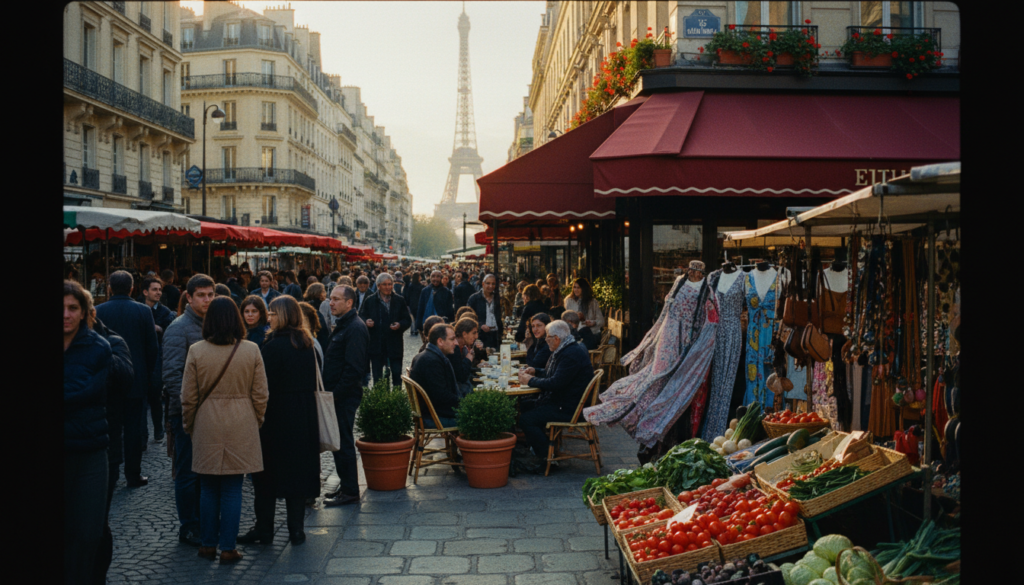
Paris is more than the Eiffel Tower and Louvre. It has a wide range of shopping spots that show off the city’s elegance and creativity. You can find everything from fancy clothes to old books and tasty foods.
Shopping in Paris is like exploring a new culture. Each store tells a story about French style and life. Whether you’re looking for luxury or unique souvenirs, Paris has something special for you.
Galeries Lafayette Haussmann
Galeries Lafayette Haussmann is a top shopping spot in Paris. It’s famous for its stunning Belle Époque architecture and high-end fashion. The main floor is topped by a glass dome that lets in natural light.
The store has many floors with designer brands, French fashion, and more. But the rooftop terrace is a must-see. It offers free panoramic views of Paris. This mix of shopping and architecture is unique.
During fashion shows, the store comes alive. It’s especially magical during the holidays. The building is a piece of French retail history.
Le Bon Marché and La Grande Épicerie
Le Bon Marché and La Grande Épicerie are on the Left Bank. They offer a more refined shopping experience. Le Bon Marché is Paris’s oldest department store.
La Grande Épicerie is a food lover’s paradise. It has French and international foods, fresh produce, and more. It’s perfect for souvenirs or a picnic.
The market has special sections for chocolate, bread, and more. The displays are colorful and inspire cooking. Visitors love exploring and trying new things.
Marché aux Puces de Saint-Ouen
Marché aux Puces de Saint-Ouen is one of the world’s largest antique markets. It’s a completely different shopping experience from fancy stores. You’ll find vintage furniture, old books, and more.
The market has many sections, each with its own vibe. Some stalls have high-end antiques, while others have affordable finds. The market is lively with people looking for unique items.
When shopping, be respectful of prices. Look at items carefully and ask questions. Many vendors speak English and love to share stories. Arrive early on weekends for the best selection.
Champs-Élysées Flagship Stores
The Champs-Élysées is famous for its flagship stores. These stores are in amazing buildings and offer exclusive products. The wide sidewalks and trees make it a special place to shop.
Big brands have impressive stores here. They have showrooms with new products and services. Shopping here is a unique experience.
Side streets have smaller boutiques and cafes. Visit on weekdays to avoid crowds. Shopping here is worth it for the experience alone.
Don’t miss the bouquinistes along the Seine. They sell vintage books and more. These vendors offer unique souvenirs that are more authentic than tourist items.
When shopping in Paris, remember stores close on Sundays. Customer service is different from what you’re used to. Greet shopkeepers with “Bonjour” to show respect. Ask about VAT refunds if you’re outside the European Union.
How to Plan Your Visit to Popular Tourist Attractions in Paris
Planning your Paris trip can make all the difference. It’s about finding the right balance between seeing the top sights and managing your time and money well.
Paris Museum Pass and City Cards for Savings
The Paris Museum Pass lets you into over 60 museums and monuments for 2, 4, or 6 days. Check if it fits your plans by comparing costs to single entry fees. City cards, like the Go City Pass, offer attractions and experiences like Seine cruises and wine tastings. They can save you money if you’re interested in what they offer.
Best Times of Year to Avoid Crowds
The best times to see Paris without the crowds are spring (April to May) and fall (September to October). Summer is the busiest time, with the longest lines. Winter is quieter, even though the days are shorter. Visiting on weekday afternoons around 3:00 PM can also help you avoid the crowds.
Using the Métro and RER for Efficient Sightseeing
Paris’s public transport makes getting around easy. The Métro and RER trains quickly reach most attractions. A Navigo Découverte pass is great for traveling over several days. It’s cheaper than taxis and helps you see more without spending too much.
Booking Skip-the-Line Tickets in Advance
Getting skip-the-line tickets early is key for places like the Eiffel Tower, Louvre, Versailles, and Notre-Dame. Timed-entry reservations save you from long waits. They ensure you get in during busy times when spots sell out fast. Visiting the Louvre in the evening or other attractions early in the morning helps you avoid the biggest crowds.
FAQ
How many days do I need to see the major popular tourist attractions in Paris?
You’ll need at least 4-5 days to see Paris’s top attractions without feeling rushed. This time lets you visit famous spots like the Eiffel Tower and Louvre Museum. You can also explore neighborhoods like Montmartre and Le Marais.
If you want to include a day trip to Versailles, plan for 6-7 days. Remember to book tickets in advance and allow time for leisurely walks and café visits.
Is the Paris Museum Pass worth buying for visiting popular tourist attractions in Paris?
The Paris Museum Pass is worth it if you plan to visit many museums and monuments. It grants access to over 60 attractions, including the Louvre and Versailles. The pass is available in 2-day, 4-day, and 6-day versions.
It saves money and time by skipping long lines. However, it doesn’t guarantee entry during peak seasons. Always check the official websites for the latest information.
What is the best time of year to visit popular tourist attractions in Paris to avoid crowds?
The best times to visit Paris with fewer crowds are April-May and September-October. These months offer pleasant weather and fewer tourists. Winter months, excluding Christmas week, also have smaller crowds.
Avoid summer and major holidays like Easter and Christmas. Visit on weekday mornings or late afternoons for fewer visitors.
Do I need to book tickets in advance for popular tourist attractions in Paris?
Yes, booking tickets in advance is crucial for major attractions in Paris, especially during peak seasons. The Eiffel Tower, Louvre, and Versailles often sell out weeks in advance.
Without pre-booked tickets, you may face long wait times or be unable to enter. Book tickets through official websites or authorized platforms at least 2-4 weeks in advance.
What are the most Instagram-worthy popular tourist attractions in Paris?
The most Instagram-worthy spots include the Eiffel Tower from Trocadéro Gardens, Sacré-Cœur Basilica, and Pont Alexandre III. The Louvre’s glass pyramid and Sainte-Chapelle’s stained glass windows are also stunning.
The Galeries Lafayette Haussmann offers great overhead views. Jardin du Luxembourg provides classic Parisian garden aesthetics. Try the Coulée Verte René-Dumont for unique angles.
How do I get around efficiently between popular tourist attractions in Paris?
The Métro subway system is the most efficient way to travel in Paris. Purchase a Navigo Découverte weekly pass or a carnet of 10 tickets. The RER trains are faster for longer distances.
Download transportation apps like Citymapper or RATP’s app to plan routes. Many attractions are in walkable neighborhoods. Seine River cruises offer both transportation and sightseeing.
What are the best free popular tourist attractions in Paris?
Paris offers many free attractions. All major parks and gardens are free. You can admire the Eiffel Tower and Arc de Triomphe without paying.
Walk along the Berges de Seine and explore charming neighborhoods like Le Marais and Montmartre. The Galeries Lafayette Haussmann rooftop is free and offers panoramic views.
Which popular tourist attractions in Paris are best for first-time visitors?
First-time visitors should see the Eiffel Tower, Louvre Museum, and Notre-Dame Cathedral. Climb the Arc de Triomphe for stunning views. Take a Seine River cruise for a different perspective.
Explore Montmartre and its artistic vibe. Wander through Jardin des Tuileries and Jardin du Luxembourg. These experiences introduce you to Paris’s history, architecture, and art.
What popular tourist attractions in Paris are suitable for families with young children?
Disneyland Paris is great for families. The Cité des Sciences et de l’Industrie offers interactive exhibits. Jardin d’Acclimatation has amusement park rides and playgrounds.
The Aquarium de Paris showcases marine life. Many parks have playgrounds and puppet shows. Seine River cruises are also engaging for kids.
How much time should I spend at the Louvre Museum?
Spend 3-4 hours at the Louvre for a focused visit. A full day is needed if you’re an art enthusiast. The museum spans 60,000 square meters with 35,000 artworks.
Focus on famous masterpieces like the Mona Lisa. Book a guided tour or use the museum’s app for self-guided exploration. Visit in late afternoon or evening for fewer crowds.
Is it worth visiting the Palace of Versailles as a day trip from Paris?
Yes, Versailles is worth visiting for its royal history and stunning gardens. It’s 12 miles from Paris and accessible by RER C train. Spend at least 4-5 hours to see the palace and gardens.
Book skip-the-line tickets in advance. The palace showcases royal opulence. Visit on weekends for fountain shows and enhanced experiences.
What are the best museums in Paris besides the Louvre?
Paris has many great museums. The Musée d’Orsay is famous for Impressionist art. The Musée de l’Orangerie displays Monet’s Water Lilies.
The Centre Pompidou showcases modern art. Musée Rodin features sculpture gardens and Rodin’s works. Picasso’s collection at Musée Picasso is extensive.
Les Invalides and Musée Carnavalet offer historical insights. These museums provide diverse experiences beyond the Louvre.
How do I visit Sacré-Cœur Basilica and explore Montmartre efficiently?
Start early morning to avoid crowds at Sacré-Cœur Basilica. Take the Métro to Anvers station and climb the stairs or take the funicular. The basilica’s interior is free, but dome access costs €6.
Explore Montmartre’s streets, including Place du Tertre and the vineyard on Rue des Saules. Visit the Moulin Rouge and seek authentic bistros away from tourist areas.
What are the best viewpoints for seeing Paris from above?
The Eiffel Tower offers the best views. The Arc de Triomphe’s rooftop provides stunning vistas. Sacré-Cœur Basilica offers free views from its steps.
The Montparnasse Tower offers unobstructed views. Galeries Lafayette Haussmann’s rooftop is free and offers panoramic views. These spots provide breathtaking views of Paris.
Should I visit Notre-Dame Cathedral even though it’s under restoration?
Yes, visit Notre-Dame Cathedral after its restoration. It reopened in December 2024. The cathedral offers a powerful experience of Gothic architecture.
Explore the surrounding Île de la Cité island. Viewing the cathedral’s exterior from Seine bridges provides appreciation for its architecture and significance.
What are the best shopping areas among popular tourist attractions in Paris?
The Champs-Élysées offers international brands, but prices are high. Galeries Lafayette Haussmann and Printemps provide upscale shopping under Belle Époque architecture.
Le Bon Marché on the Left Bank offers refined shopping. The Marché aux Puces de Saint-Ouen flea market has unique treasures. Le Marais and the Latin Quarter offer trendy boutiques and concept stores.
Are Seine River cruises worth the money or just tourist traps?
Seine River cruises are worth it for their unique views of Paris. Basic sightseeing cruises offer good value. Dinner cruises and champagne packages are overpriced.
Book a simple afternoon or sunset cruise for the best experience. Evening cruises showcase Paris’s “City of Light” reputation.
What makes Sainte-Chapelle worth visiting among so many Paris churches?
Sainte-Chapelle is famous for its 50-foot-tall stained glass windows. The chapel transforms into a kaleidoscope of colors when sunlight passes through. It’s a Gothic jewel with preserved glass.
Book timed-entry tickets to avoid long lines. Visit on sunny days for the best light. Sainte-Chapelle is a must-see for its beauty and history.
How do I experience Montmartre without falling into tourist traps?
Arrive early morning to avoid crowds in Montmartre. Explore quieter streets like Rue Lepic and Rue des Abbesses. Visit the Montmartre vineyard for a peaceful experience.
Admire photogenic spots but avoid overpriced cafes. Attend mass at Sacré-Cœur Basilica for a more contemplative experience. Wander randomly to discover Montmartre’s bohemian spirit.