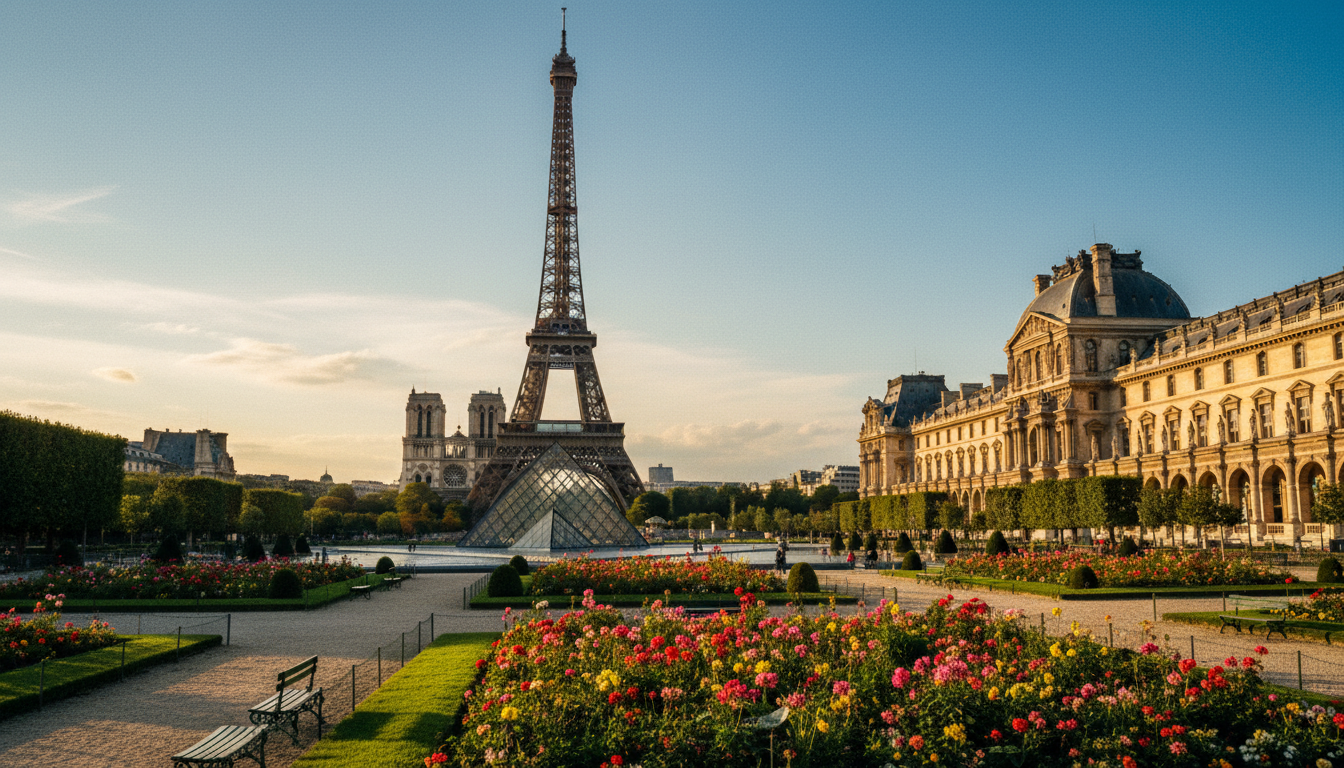
Have you ever wondered why millions flock to Paris every year? It’s because of its unique mix of history, culture, and beauty.
Paris is called the “City of Light” for a reason. It was Europe’s first city to use gas street lighting in the 19th century. This forward-thinking continues to draw visitors from all over.
The city is divided into arrondissements, or easy-to-navigate neighborhoods. Each one, from the Eiffel Tower to the Louvre Museum, has its own charm.
Getting the most out of your trip is key. Timed entry tickets for famous spots can cut down waiting time. Make sure to mix must-see sights with hidden gems for a well-rounded experience.
This guide will show you the best museums, palaces, and neighborhoods in Paris. Whether you love art, architecture, or just the vibe, you’ll find tips to enhance your Paris experience.
Key Takeaways
- Paris was Europe’s first city with gas street lighting, earning its “City of Light” nickname in the 19th century
- The city’s arrondissement system makes navigation straightforward for first-time visitors
- Advance booking of timed entry tickets for major attractions saves significant waiting time
- Planning your itinerary helps balance famous landmarks with authentic local experiences
- Major sites include the Eiffel Tower, Louvre Museum, Notre-Dame Cathedral, and numerous world-class museums
- Strategic timing and ticket selection maximize your sightseeing efficiency
Iconic Landmarks and Monuments

Paris is known for its iron towers and triumphant arches. These monuments and landmarks show the city’s rich history and architectural innovation. They tell stories and add to Paris’s magical atmosphere, making it a top tourist spot.
These famous spots are more than just photo ops. They offer deep experiences that connect you to European history.
The Iron Lady of Paris
The Eiffel Tower is Paris’s symbol of engineering excellence. Built in 1887 for the World’s Fair, it’s now the world’s most famous monument.
Visiting the eiffel tower offers two choices: climb the 674 steps or take the elevator. Tickets are €15 for the second floor by stairs and €28 for the top. The second floor gives better views for photos.
Book timed tickets to skip long lines. Inside, you’ll find three restaurants and a champagne bar for celebrating your Paris trip.
For the best eiffel tower sightseeing photos, visit Trocadero at sunrise. The golden light makes for stunning shots with fewer people around.
Napoleon’s Triumphant Monument
The Arc de Triomphe honors Napoleon’s victory at Austerlitz. It stands at the heart of Paris’s most famous intersection. Built in 1836, this arch commands attention from all directions.
Climb 284 steps for €16 to reach the top. Arc de triomphe tickets offer 360-degree views of 12 avenues. It’s like seeing the city’s urban planning up close.
The arc de triomphe viewing platform shows the city’s urban planning. Below, you see the traffic circle’s chaos. At the base lies the Tomb of the Unknown Soldier, honoring France’s wartime sacrifices.
Safety tip: Use the underground tunnel to access the arc de triomphe instead of crossing the dangerous traffic circle. The tunnel entrance is on the Champs-Élysées side.
The Avenue of Luxury
The Champs-Élysées stretches nearly two kilometers from the Arc de Triomphe to Place de la Concorde. This avenue is lined with luxury boutiques, flagship stores, and high-end cafes. It attracts millions of visitors every year.
While champs-élysées shopping offers prestige brands, it’s not all it’s cracked up to be. The avenue has become commercialized with overpriced restaurants and touristy shops. Many locals prefer quieter neighborhoods for a true Parisian experience.
Strolling down the champs-élysées is a quintessential Paris activity. The wide sidewalks and grand architecture create an impressive urban landscape, even more so at night.
Historic Public Square
Place de la Concorde marks the eastern end of the Champs-Élysées. It’s one of Paris’s largest public squares. This space witnessed significant events during the French Revolution, including many executions.
Today, the place de la concorde features the ancient Egyptian Luxor Obelisk at its center. It’s flanked by two ornate fountains. The square offers views toward the Madeleine Church, the National Assembly, and the Tuileries Garden. Its location makes it a natural crossing point as you explore central Paris.
- Best visiting times: Early morning for photos without crowds
- Ticket booking: Reserve online 2-3 weeks in advance during peak season
- Combined visits: Plan the Arc de Triomphe and Eiffel Tower on separate days to avoid exhaustion
- Transportation: Multiple metro lines serve these landmarks for easy access
World-Famous Museums
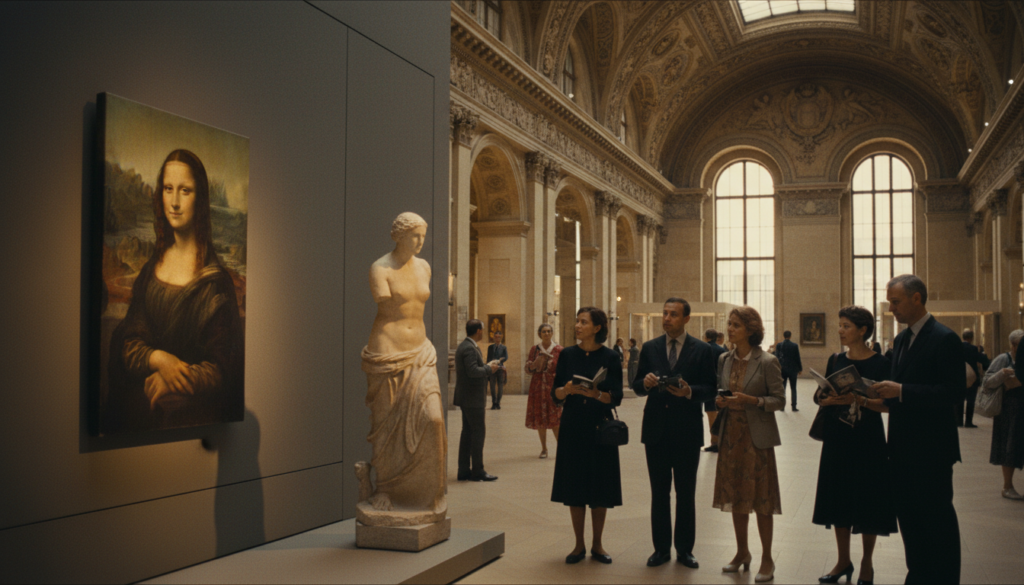
When you visit Paris, you’ll find world-class museums that take you on a journey through art history. These places house collections that span thousands of years. They showcase humanity’s greatest creative achievements.
Each museum has its own unique character and specialty. You’ll find intimate galleries and vast collections. Planning ahead helps you make the most of your time and see the highlights that matter most.
The Louvre: A Treasure Trove of Artistic Masterpieces
The Louvre Museum is huge, covering over 60,000 square meters in central Paris. It was once a royal palace and now protects some of the world’s most famous artworks. You’ll see the Mona Lisa, the Venus de Milo, and many other treasures.
Ticket prices vary based on where you’re from. EEA residents pay €22, while non-EEA visitors pay €32. Buying tickets online in advance saves a lot of waiting time.
The Louvre has more than famous paintings. It also has ancient Egyptian artifacts, Greek sculptures, and Islamic art collections. You could spend days exploring without seeing everything.
Smart strategies help you navigate this massive complex:
- Arrive after 3:00 PM to avoid morning crowds
- Visit on Wednesday or Friday evenings when the museum stays open until 9:00 PM
- Enter through the underground Carrousel entrance instead of the main pyramid
- Rent an audio guide for €6 to learn fascinating stories behind the artworks
- Book a guided tour to navigate the maze-like layout efficiently
Late afternoon visits are more relaxed. The 6:00 PM entry on extended evenings gives you three hours to explore without large tour groups.
Musée d’Orsay: Impressionism’s Greatest Collection
The Musée d’Orsay is in a stunning Beaux-Arts railway station along the Seine River. It has Europe’s most extensive collection of Impressionist and post-Impressionist art. The soaring glass roof and the magnificent station clock are impressive.
Artists like Monet, Manet, Degas, Renoir, Van Gogh, and Cézanne fill the galleries. The museum focuses on 19th-century art movements. These artists changed how we see color, light, and perspective.
Entry tickets cost €16, and audio guides are €6 extra. The 5th floor contains the most celebrated works in the collection. You’ll find Van Gogh’s vibrant self-portraits, Renoir’s dance scenes, and Monet’s dreamy landscapes.
Don’t miss photographing the enormous clock face on the upper level. It frames spectacular views toward Sacré-Cœur Basilica across the city. This perspective captures both historic architecture and modern Paris in one memorable shot.
Centre Pompidou: Modern Art’s Bold Statement
The Centre Pompidou shocks first-time visitors with its unconventional design. Exposed structural elements, brightly colored pipes, and external escalators challenge traditional museum architecture. This radical building has fascinated art lovers for decades.
Inside, you’ll discover Europe’s largest collection of modern and contemporary art. Works by Picasso, Kandinsky, Matisse, and Warhol represent major 20th-century movements. The collection continues growing with new acquisitions.
The external escalators provide entertaining views across Paris as you ascend. From the top floor, panoramic vistas stretch across rooftops and historic monuments. The Centre Pompidou experience combines art appreciation with architectural adventure.
Musée de l’Orangerie: Monet’s Immersive Sanctuary
Nestled in the Tuileries Garden, the Musée de l’Orangerie offers an intimate art experience. This compact museum focuses on a smaller but exceptional collection. The main attraction draws visitors from around the globe.
Monet’s legendary Water Lilies series fills two specially designed oval rooms. The massive canvases wrap around you in a 360-degree embrace of blues, greens, and purples. Monet created these works for this space, designing an immersive meditation on nature.
The museum also displays works by Cézanne, Renoir, Picasso, and Modigliani in its lower galleries. After experiencing the Water Lilies rooms, these additional collections provide context for artistic evolution. The musée de l’orangerie proves that sometimes smaller venues create more powerful experiences.
Budget-conscious tips for museum visits:
- Consider purchasing a multi-day museum pass if visiting several institutions
- Audio guides enhance understanding but aren’t essential for enjoyment
- Museum cafés charge premium prices; eat before or after your visit
- Free admission days occur monthly but attract enormous crowds
- Students and seniors often receive discounted entry rates
Paris museums preserve irreplaceable cultural heritage while making it accessible to millions of visitors annually. Your museum experiences will create lasting memories and deepen your appreciation for artistic genius across centuries.
Historic Palaces and Châteaux
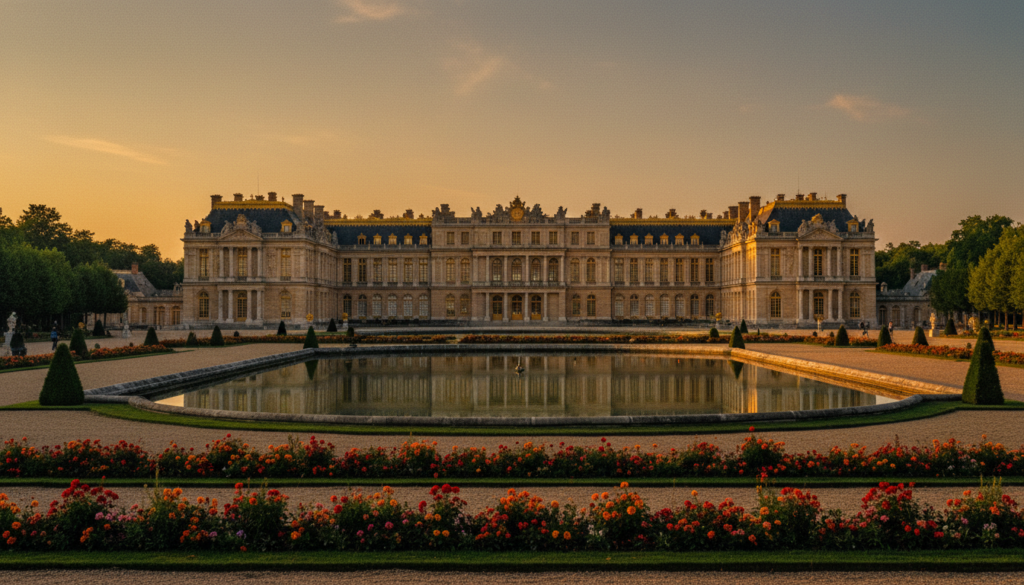
French royal extravagance comes alive in the historic palaces and châteaux around Paris. These estates show centuries of architectural brilliance and the lavish lifestyles of French monarchs. You’ll see breathtaking gardens, opulent interiors, and fascinating stories that bring history to life.
Each palace gives a unique glimpse into France’s royal past. From the grand Versailles to the intimate beauty of hidden gardens, these destinations offer unforgettable experiences. Planning your visits carefully helps you make the most of these spectacular attractions.
Palace of Versailles
The Palace of Versailles is the ultimate symbol of French royal power and Baroque architecture. Located outside Paris, this masterpiece reflects the excesses of the French monarchy under Louis XIV, the Sun King. The palace’s magnificent scale and artistic details make it one of Europe’s most impressive royal residences.
Planning your Versailles palace day trip requires careful consideration of logistics and timing. The RER C train from Invalides station to Versailles Château Rive Gauche takes approximately 40 minutes each way. You’ll then walk about 15 minutes from the station to reach the palace entrance.
Train tickets cost around €4 each way, making public transportation an economical choice. Buy round-trip train tickets in the morning to avoid long queues when returning to Paris later in the day. This simple strategy saves valuable time and reduces stress at the end of your visit.
Palace entrance tickets range from €22 to €35 depending on the season and your residency status. Booking timed entry tickets in advance is essential, as it helps avoid long queues. Audio guides cost an additional €8 each and provide valuable historical context throughout your exploration.
The famous Hall of Mirrors captivates visitors with its 357 mirrors reflecting natural light through 17 arched windows. This 240-foot gallery served as a venue for royal celebrations and diplomatic receptions. The ornate ceiling paintings depict Louis XIV’s political and military achievements in stunning detail.
The royal apartments reveal the daily lives of French monarchs through lavishly decorated rooms. Each chamber features period furniture, intricately woven tapestries, and artistic masterpieces. You’ll gain insight into the ceremonies and rituals that defined court life at Versailles palace.
The sprawling gardens stretch across 2,000 acres with meticulously manicured lawns, geometric patterns, and classical sculptures. Fountains come alive during special musical fountain shows on weekends and summer evenings. These spectacular displays recreate the grandeur of royal entertainments from centuries past.
Marie Antoinette’s hamlet, built in 1783, offers a charming contrast to the palace’s formality. This rustic retreat features a working farm, a mill, and cottages where the queen entertained guests. The picturesque buildings reflect the 18th-century fascination with pastoral simplicity and natural beauty.
The Trianon Estate includes the Grand Trianon and Petit Trianon palaces within the grounds. These smaller residences provided royal family members with private retreats away from court ceremonies. The elegant architecture and intimate gardens create peaceful atmospheres for quiet contemplation.
Expect to spend at least 6 hours exploring the palace, gardens, and estate buildings thoroughly. Booking a noon or later time slot helps you avoid the intense morning crowds. Even on rainy November weekdays, visitor numbers can be substantial, so patience and flexibility enhance your experience.
Comfortable walking shoes are essential for navigating the extensive grounds and marble palace floors. Consider packing snacks and water, though dining options are available on-site. Weather-appropriate clothing ensures comfort during outdoor garden exploration regardless of conditions.
Palais Royal
The Palais Royal presents an elegant contrast to Versailles’ overwhelming grandeur. This historic palace near the Louvre features beautiful gardens perfect for quiet contemplation and peaceful relaxation. The intimate scale creates a welcoming atmosphere that invites leisurely exploration.
The palace gardens offer a serene oasis in central Paris surrounded by stunning classical architecture. Boxed hedges frame gravel pathways where Parisians and visitors enjoy picnicking on sunny afternoons. The symmetrical design reflects French formal garden traditions at their finest.
Three magnificent shopping arcades surround the garden on three sides. These covered galleries house boutique shops, cafes, and restaurants beneath elegant colonnades. The historic arcades provide sheltered browsing opportunities and architectural beauty year-round.
The modern art installation in the main courtyard features striped columns of varying heights. This contemporary addition sparks debate but adds visual interest to the historic setting. The contrast between old and new exemplifies Paris’s ability to honor tradition while embracing innovation.
Château de Fontainebleau
Château de Fontainebleau provides another exceptional day trip option with significantly less tourist congestion than Versailles. This historic royal residence served French monarchs for over 700 years. The palace’s rich history spans multiple dynasties and architectural periods.
The château showcases beautiful Renaissance and classical architecture throughout its numerous buildings and courtyards. Ornate interiors feature original furnishings, elaborate frescoes, and historical artifacts. Each room tells stories of the kings and emperors who shaped French history within these walls.
Napoleon Bonaparte favored Fontainebleau, making significant renovations and spending important moments here. The emperor’s apartments preserve the atmosphere of the early 19th century. You’ll see the exact spot where Napoleon signed his abdication in 1814.
The surrounding forest and gardens provide extensive grounds for outdoor exploration. Ancient trees create shaded pathways perfect for leisurely walks. The English garden and formal French parterres demonstrate different landscape design philosophies.
Reaching Château de Fontainebleau requires about an hour by train from central Paris. The SNCF trains depart from Gare de Lyon to Fontainebleau-Avon station. A shuttle bus then connects the station to the château entrance, making access straightforward for visitors.
Palais Garnier Opera House
The Palais Garnier Opera House represents architectural opulence at its most theatrical. Designed by Charles Garnier in 1860, this magnificent building captures Second Empire grandeur through elaborate decorative details. The opera house gained worldwide fame as the setting for “The Phantom of the Opera” story.
The grand foyer dazzles visitors with gilt mirrors, marble columns, and ornate ceiling paintings. This ceremonial space was designed for seeing and being seen during intermissions. The lavish decorations reflect the social importance of opera attendance in 19th-century Paris.
The magnificent auditorium features red velvet seating for nearly 2,000 guests beneath a stunning ceiling painted by Marc Chagall. The chandelier weighing over six tons dominates the space with crystal brilliance. Gold leaf details and sculptural elements create an atmosphere of refined elegance.
Attending an opera or ballet performance allows you to experience the venue as intended. Ticket prices vary widely depending on seat location and production popularity. Booking several months in advance secures better seats for highly anticipated performances.
Guided tours provide access to the opera house when performances don’t occupy the building. These tours reveal backstage areas, costume workshops, and architectural details not visible from audience seats. Knowledgeable guides share fascinating stories about the building’s history and famous performances.
Self-guided visits with audio guides offer flexibility to explore at your own pace. You’ll access the grand foyer, the auditorium balconies, and various salons decorated in different artistic styles. The museum displays costumes, set designs, and historical artifacts from past productions.
Photography is permitted in most public areas, allowing you to capture the extraordinary architectural details. The grand staircase provides photogenic opportunities with its sweeping marble steps and ornate balustrades. Natural light streaming through windows creates beautiful effects on the decorative surfaces.
The opera house’s central location makes it easy to combine with other Paris attractions in a single day. The building stands near department stores, cafes, and Metro connections. This accessibility makes Palais Garnier Opera House an excellent addition to any Paris itinerary focused on architectural and cultural treasures.
Beautiful Churches and Cathedrals
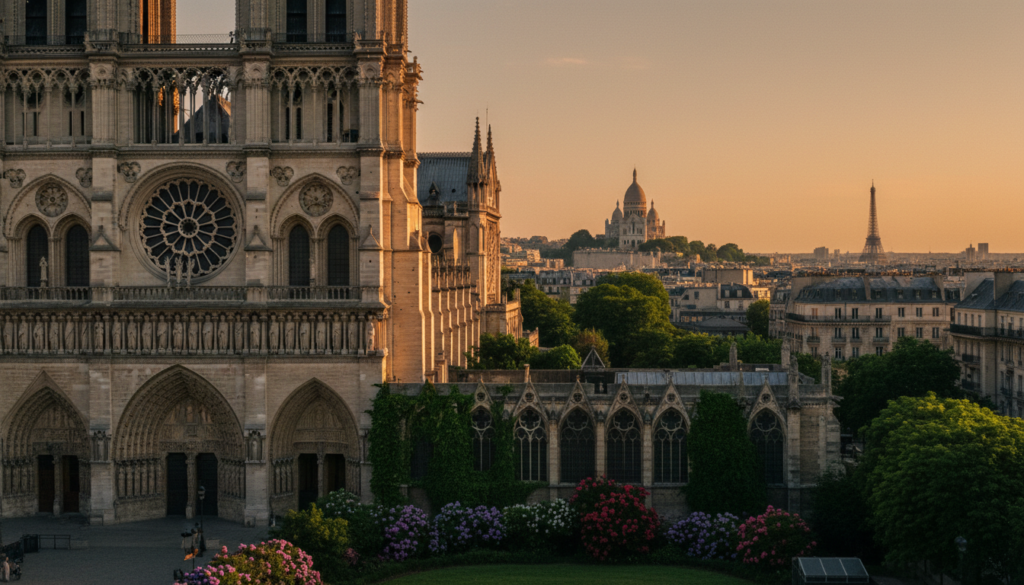
Paris is home to stunning churches and cathedrals, each with its own story. These buildings show off the city’s rich history and art. You’ll see Gothic spires, colorful stained glass, and peaceful spots that feel far from the city’s noise.
Each place has its own tale, told through stone carvings and tall domes. They’ve seen wars and time pass by. These landmarks are unforgettable, whether you’re looking for spiritual peace or architectural wonder.
Notre-Dame Cathedral
Notre-Dame Cathedral stands on the Seine, a symbol of French Gothic architecture. It reopened after a 2019 fire. The rebuilding kept its historic look and made it safe for the future.
Start your visit with the stunning Gothic front. It’s adorned with stone carvings and gargoyles. The three portals show biblical scenes from medieval times. Free tickets can be reserved online to avoid long lines.
To see the towers, plan ahead. Tower access costs €16 and must be booked through the official website. The climb offers close-up views of gargoyles and Paris from above.
“Notre-Dame is not just a church; it is the heart of Paris, the soul of France, and a testament to human creativity that has endured for eight centuries.”
Dress modestly for this sacred place. Inside, you can take photos, but no flash or tripods.
Sainte-Chapelle
Sainte-Chapelle is a Gothic masterpiece in the Palais de Justice. It was built to house Christian relics. Its beauty inside is unmatched.
The upper chapel has stunning stained glass windows from 1242-48. These windows show over 1,000 biblical scenes. The rose window tells the story of the Apocalypse.
The light inside is magical, turning the space into a colorful wonderland. Visit on sunny days for the best light. The high nave and rose windows create a heavenly feel.
Buy skip-the-line tickets to save time. Tickets for the Conciergerie are good value if you see both sites.
Panthéon
The Panthéon is a neoclassical wonder on the Left Bank. It was a church for Saint Geneviève but now honors French heroes. The French Revolution turned it into a mausoleum.
The building’s façade is impressive, with a pediment and Corinthian columns. Inside, the crypt holds tombs of famous French people.
The interior has frescoes and Foucault’s Pendulum. The dome shows Earth’s rotation. The architecture is a mix of classical and French styles.
Entry costs €13 for adults, with free entry for EU residents under 26. Audio guides offer insights into the building’s history and its famous residents.
Saint-Sulpice Church
Saint-Sulpice Church is a peaceful spot with Baroque architecture. It’s famous from “The Da Vinci Code,” but its real history is fascinating. The church’s treasures are worth exploring.
The facade is unique, with two towers of different heights. Inside, Eugène Delacroix’s frescoes are breathtaking. These murals show biblical scenes with intense emotion and color.
The church has a huge organ and a brass meridian line. Free entry lets you explore at your own pace.
| Sacred Site | Entry Fee | Best Time to Visit | Special Features |
|---|---|---|---|
| Notre-Dame Cathedral | Free (Tower: €16) | Early morning or late afternoon | Gothic facade, gargoyles, city views from towers |
| Sainte-Chapelle | €13 adults | Sunny midday hours | 1,113 stained glass panels depicting Biblical stories |
| Sacré-Cœur Basilica | Free (Dome: €8) | Sunrise or sunset | Panoramic views, Romano-Byzantine architecture |
| Panthéon | €13 adults | Weekday mornings | Famous tombs, Foucault’s Pendulum, neoclassical dome |
The Sacré-Cœur Basilica sits on Montmartre hill, giving stunning views. Its white stone glows at sunset. Entry is free, but the dome costs €8 for amazing views.
These churches and cathedrals are more than buildings. They show centuries of faith, art, and culture. Exploring them offers deep insights into Paris’s spiritual and creative heart.
Charming Neighborhoods
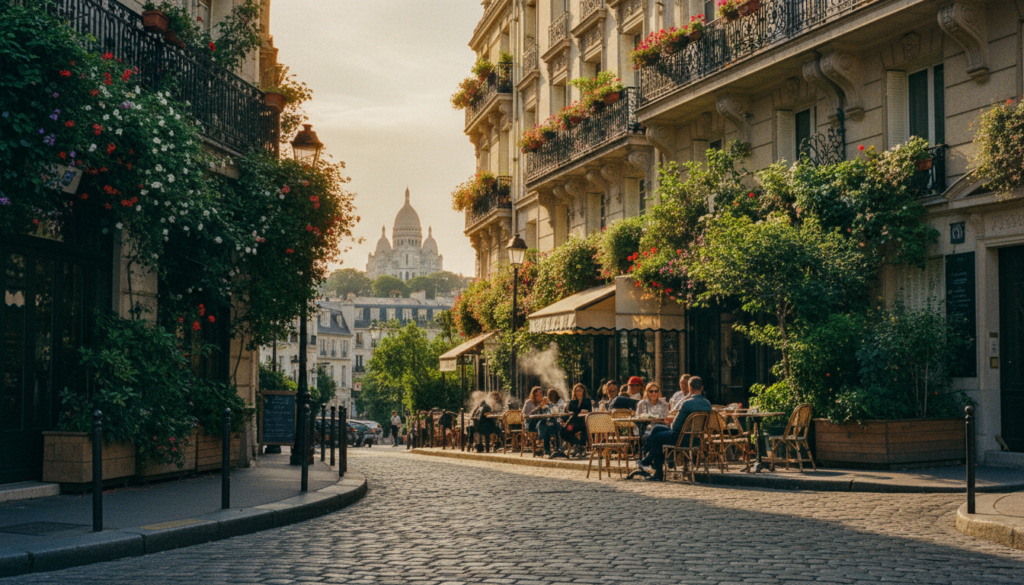
Paris’s soul is in its charming neighborhoods. Here, cobblestone streets, historic buildings, and local traditions create unforgettable moments. These areas show the real Paris, beyond famous landmarks.
Each neighborhood has its own vibe. From bohemian hills to sophisticated Left Bank areas, they invite you to see Paris like a local. You can wander narrow streets, try local food, and watch life in charming squares.
The Artistic Heights of Montmartre
Montmartre sits on a hill in the 18th arrondissement. It’s full of bohemian spirit, with winding streets and busy squares. Artists, performers, and dreamers have called it home for generations.
The Sacré-Cœur Basilica is Montmartre’s stunning centerpiece. It offers views of the city from its dome, which you can visit for €8. The basilica’s white stone stands out against the sky, visible from many places.
Place du Tertre is the heart of Montmartre’s art scene. It’s lively, with artists selling their work and creating portraits. You’ll find famous spots like the Moulin Rouge and La Maison Rose, where Picasso used to go.
“Montmartre is the most unique place in Paris. It has kept its village atmosphere and its soul.”
For real food, try Le St. Graal for burgers and beer or Autour du Moulin for French cuisine. There are cozy wine bars like Caves des Abbesses for local wines. The Musée de Montmartre shows art and history about this fascinating area.
Joining montmartre walking tours is the best way to see the area’s food and history. These tours include tastings and insider tips on spots most visitors miss.
Historic Charm of Le Marais
Le Marais spans the 3rd and 4th arrondissements. It has narrow streets and historic mansions. This neighborhood mixes old-world charm with modern culture, with trendy boutiques next to old buildings.
Place des Vosges is one of Paris’s most beautiful squares. It has elegant arcades and gardens from the 17th century. Rue des Francs-Bourgeois is lined with hip cafes and art galleries, inviting exploration.
Le Marais has hidden courtyards showing its medieval past. You can find peaceful gardens and historic buildings through doorways. The Jewish Quarter adds cultural diversity with traditional bakeries and falafel shops. It’s perfect for strolls and shopping.
Literary Heritage of Saint-Germain-des-Prés
Saint-Germain-des-Prés is a Left Bank neighborhood known for intellectuals and artists. It has the 11th-century Romanesque church, Paris’s oldest standing church. The area keeps its literary spirit with independent bookshops and publishing houses.
Iconic cafes like Café de Flore and Les Deux Magots attract writers and thinkers. You can sit where Jean-Paul Sartre and Simone de Beauvoir debated. The streets are lined with high-end fashion and antique shops.
Student Energy of the Latin Quarter
The 5th arrondissement is full of youth, thanks to universities and schools. The Latin Quarter got its name from medieval scholars. It’s a lively area with historic landmarks and charming streets.
Shakespeare and Company bookstore has been a literary haven for 100 years. It welcomes book lovers and hosts readings. The Panthéon dominates the skyline, housing France’s greatest citizens.
Experience Parisian life by reading in a coffee shop or watching locals. The Latin Quarter has many affordable restaurants, great for budget travelers.
| Neighborhood | Best Known For | Top Attraction | Ideal Visitor |
|---|---|---|---|
| Montmartre | Bohemian atmosphere, street artists | Sacré-Cœur Basilica | Art lovers, photographers |
| Le Marais | Historic architecture, trendy boutiques | Place des Vosges | Fashion enthusiasts, history buffs |
| Saint-Germain-des-Prés | Literary cafes, intellectual heritage | Historic church and cafes | Book lovers, culture seekers |
| Latin Quarter | Student life, bookshops | Shakespeare and Company | Budget travelers, students |
These neighborhoods show Paris’s true character, beyond famous spots. Each offers unique experiences that explain why Paris attracts millions. Exploring these areas at your own pace creates lasting memories.
Parks and Gardens
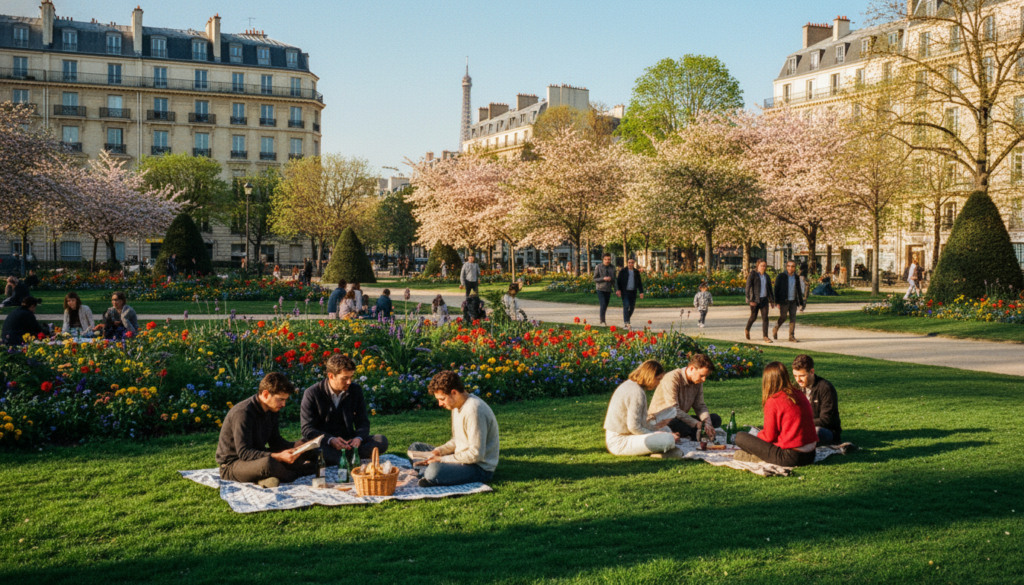
Paris shows its softer side with amazing parks and gardens. These places are perfect for a break from sightseeing. You’ll find peaceful spots where locals picnic, kids play, and nature thrives.
The city has over 400 parks and gardens, covering more than 2,000 hectares. Each one has its own charm. Whether you like formal French gardens or wild hillsides, Paris has something for everyone.
A 23-Hectare Oasis in the Heart of the City
The Luxembourg Gardens are a 23-hectare oasis around the Luxembourg Castle. You’ll see manicured lawns, colorful flowerbeds, and ponds. Ornate fountains and statues add beauty everywhere.
This garden is a favorite spot for Parisians. It’s great for picnics in summer. Chess players and kids sailing toy boats in the pond add to the fun.
Relaxing under ancient trees is perfect for quiet moments. The Luxembourg Gardens offer a peaceful escape from the city. It’s a place locals love to return to.
Formal Gardens Between Major Landmarks
The tuileries garden is a 28-hectare space between the Louvre and Place de la Concorde. It has a formal French design with neat hedges. You’ll walk on gravel paths with fountains, ponds, and sculptures.
Royal history is in this garden, once part of the Tuileries Palace. It’s a beautiful path between major sights. You can easily add it to your sightseeing.
The garden changes with the seasons. Spring brings flowers, and autumn has golden trees. The Musée de l’Orangerie is here, showing world-class art.
Botanical Wonders and Educational Exploration
The jardin des plantes is Paris’s main botanical garden. It’s part of the Muséum National d’Histoire Naturelle complex. You’ll see themed gardens and greenhouses with tropical plants.
An alpine garden shows mountain plants. Educational displays teach about plants and ecology. There’s also a small zoo for families.
Nature lovers will find endless fascination here. Spend hours exploring different areas. Each section reveals new botanical wonders and scientific facts.
Romantic Hillside Beauty in Northeast Paris
The parc des buttes-chaumont has dramatic cliffs, waterfalls, and views from its hillside. A suspended bridge leads to a temple on an island in the lake. Paths wind through diverse landscapes, feeling far from the city.
Locals love this park for its beauty, but it’s less known to tourists. It’s a romantic spot for couples and photographers. The 19th-century engineering that turned an old quarry into this park is amazing.
Exploring this park reveals hidden spots and scenic views. Enjoy picnics or relax by the water. This northeastern gem offers a true Parisian park experience without the crowds.
| Park Name | Size | Key Features | Best For |
|---|---|---|---|
| Luxembourg Gardens | 23 hectares | Manicured lawns, fountains, Luxembourg Castle, toy boat pond | Picnics, chess games, family activities, relaxation |
| Tuileries Garden | 28 hectares | Formal French design, sculptures, geometric layouts, Musée de l’Orangerie | Walking between attractions, art appreciation, seasonal beauty |
| Jardin des Plantes | 28 hectares | Botanical collections, greenhouses, alpine garden, small zoo | Nature study, educational visits, botanical enthusiasts |
| Parc des Buttes-Chaumont | 25 hectares | Dramatic cliffs, suspended bridge, temple, artificial lake, waterfalls | Romantic walks, photography, authentic local experiences |
Don’t miss the Musée Rodin gardens with famous sculptures like The Thinker and The Kiss. The gardens have manicured lawns and rose gardens. It’s a unique mix of art and nature.
Visit parks early mornings or late afternoons for a peaceful time. Weekdays are quieter than weekends. Bring a picnic from local markets for a true Parisian experience.
Shopping and Market Destinations
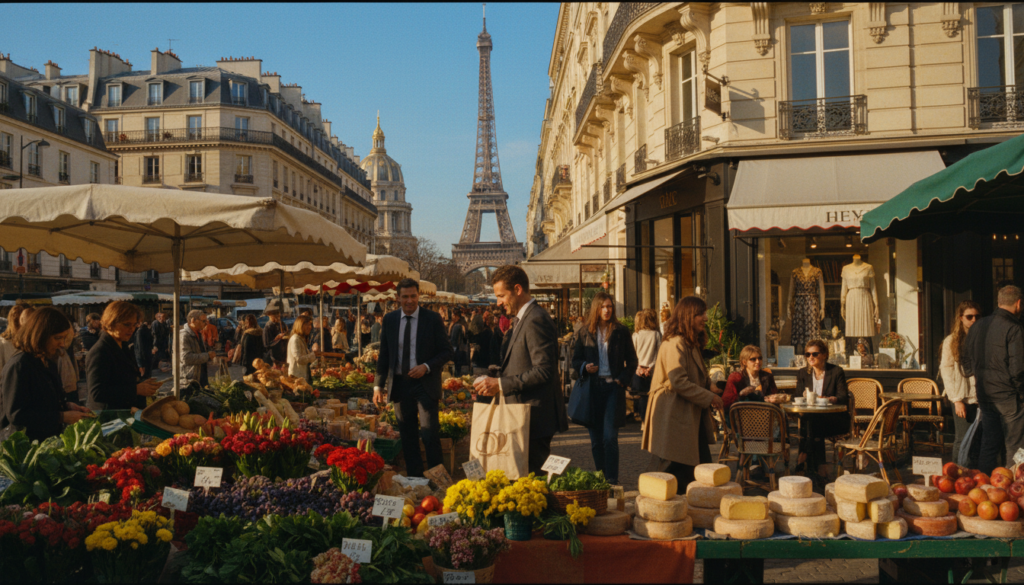
Paris offers shopping experiences that show off the city’s unique vibe. From historic department stores to legendary flea markets, there’s something for everyone. You can find everything from luxury brands to vintage treasures, all while experiencing French culture and craftsmanship.
Shopping in Paris is more than just buying things. Local markets are filled with energy as people pick out fresh produce and handmade goods. Elegant department stores, on the other hand, blend centuries of tradition with modern luxury.
The Crown Jewel of Parisian Department Stores
Galeries Lafayette is a stunning building on Boulevard Haussmann. Its Art Nouveau glass dome lets in natural light, making shopping a special experience. Opened in 1912, it has amazed visitors for over a century with its beautiful design.
Inside, you’ll find every major luxury fashion brand across several floors. From Chanel and Dior to new French designers, there’s something for everyone.
The gourmet food hall is a culinary wonderland. It offers French delicacies, international specialties, and wines from all over France. Sampling macarons, chocolates, cheeses, and charcuterie is a treat, surrounded by elegant displays.
Galeries Lafayette also offers unique experiences. You can take macaron making classes with expert pastry chefs. They teach you how to make these delicate treats the French way.
Don’t miss the free rooftop terrace for panoramic views of Paris. You can see the Opéra Garnier, Sacré-Cœur, and the Eiffel Tower from up there. It’s a great spot for photos.
Left Bank Elegance and Gourmet Delights
Le Bon Marché is Paris’s oldest department store, founded in 1852. It offers a more refined shopping experience than its bigger rivals. The fashion selection focuses on quality, with both famous designers and new talent.
La Grande Épicerie, the food hall, is a gourmet paradise. You’ll find regional French products like Brittany butter and Provence olive oils. There are also prepared meals from top chefs, perfect for picnics or dinner.
The store’s Belle Époque architecture and spacious layout make for a less overwhelming visit. You can browse at your own pace, enjoying attentive service that shows off French retail culture.
Treasure Hunting at the World’s Largest Flea Market
Marché aux Puces de Saint-Ouen is a huge flea market in northern Paris. It’s a treasure trove for vintage furniture, retro clothing, and collectibles. With over 2,000 vendors, each with their own specialty, you’ll find unique items.
Exploring the market, you’ll see everything from crystal chandeliers to vintage Hermès scarves. It’s a place where patience and a keen eye for quality are rewarded. Weekends are the busiest, but you’ll find the most items.
Bargaining is part of the flea market experience. Start with 60-70% of the asking price and negotiate from there. Vendors appreciate knowledgeable buyers who show genuine interest in their items.
For a smaller alternative, Marché aux Puces de Vanves offers a charming atmosphere. It’s known for its eclectic offerings and is a favorite among serious collectors.
Shopping Like a True Parisian
The Rue Cler market in the 7th arrondissement is a true neighborhood shopping experience. Locals shop here for daily needs from specialty vendors. The street comes alive in the mornings with colorful displays of fresh produce and more.
Here, you’ll see French shopping culture in action. People carefully choose their produce and discuss cheese with fromagers. It’s a place where browsing and chatting are part of the experience. Many vendors speak some English and are happy to help.
Consider picking up supplies here for a picnic in Champ de Mars or along the Seine. Fresh fruit, local cheeses, and a bottle of wine make for a memorable meal at a fraction of the cost of a restaurant.
The bouquinistes along the Seine have been selling books for 300 years. Their little green boxes offer vintage books, antique prints, and more. It’s the best place to find unique souvenirs that reflect Paris’s literary and artistic heritage.
| Shopping Destination | Best For | Price Range | Ideal Visit Time |
|---|---|---|---|
| Galeries Lafayette | Luxury fashion, gourmet foods, architectural beauty | High-end to mid-range | Weekday mornings for fewer crowds |
| Le Bon Marché | Curated fashion, gourmet French products | Premium pricing | Any weekday afternoon |
| Marché aux Puces de Saint-Ouen | Vintage treasures, antiques, collectibles | Negotiable, varies widely | Saturday or Sunday mornings |
| Rue Cler Market | Fresh produce, local specialties, authentic experience | Moderate, local prices | Tuesday-Saturday mornings |
When shopping in Paris, remember to bring reusable bags. Many vendors don’t provide packaging. Cash is key at flea markets and some small vendors, but big department stores accept all payment methods.
These diverse shopping experiences show the real Paris beyond tourist stores. You’ll meet locals, practice French, and find products that reflect both tradition and modern trends. Each place tells a part of Paris’s commercial story, from old department stores to riverside book stalls.
Entertainment and Cabaret Venues
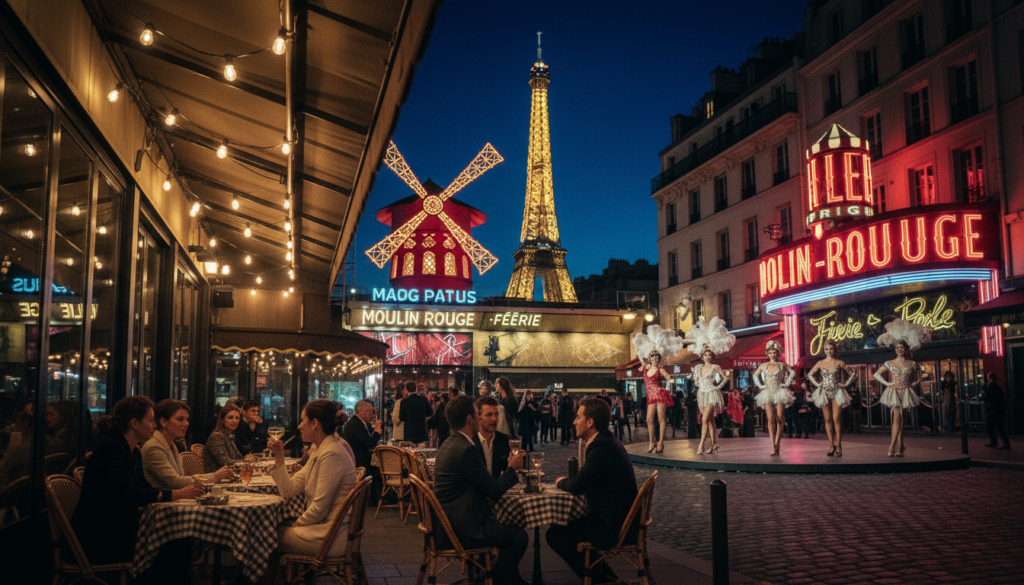
Paris is known for its legendary entertainment scene. Here, you can enjoy glittering cabaret shows and romantic Seine River cruises. These venues showcase artistic flair that has captivated audiences for generations.
These venues are more than just entertainment. They represent cultural traditions that have shaped French artistry and sophistication. Whether you choose a classic cabaret show or a peaceful Seine River cruise, you’ll experience the magic of Paris after dark.
The Birthplace of Can-Can Dance
The Moulin Rouge is the most famous cabaret venue in the world. Located in the vibrant Montmartre neighborhood, it opened in 1889 as Europe’s first cabaret and the birthplace of the can-can dance. The venue’s signature red windmill is instantly recognizable.
At the Moulin Rouge, you’ll see spectacular performances with elaborate costumes and talented dancers. The show includes approximately 80 performers, including the renowned Doriss Girls dancers. Each production combines traditional cabaret elements with modern staging and special effects.
Booking your Moulin Rouge tickets in advance is essential because shows sell out weeks ahead, even during peak tourist seasons. You can choose between dinner and show packages or show-only options. The dinner packages include champagne and a three-course meal served before the performance.
The dress code at Moulin Rouge requires smart casual attire. Men should wear jackets and avoid shorts or sneakers. Women typically dress elegantly for this special evening. Despite its touristy reputation, the legendary venue delivers a memorable experience that justifies its worldwide fame.
Glamorous Champs-Élysées Spectacle
The Lido de Paris brings modern glamour to the cabaret tradition. Situated on the prestigious Champs-Élysées avenue, this venue features elaborate productions with the famous Bluebell Girls dancers. The shows incorporate stunning sets, sophisticated special effects, and world-class entertainment that rivals any Las Vegas production.
Lido de Paris offers a more contemporary cabaret experience compared to traditional venues. The productions include digital projections, underwater scenes created through impressive stage technology, and innovative choreography. The venue seats approximately 1,100 guests and provides excellent sightlines from every table.
The Lido’s dinner shows feature gourmet French cuisine paired with champagne. You can also opt for the champagne-only package if you prefer to focus on the performance. The show lasts approximately 90 minutes and features constant costume changes, spectacular lighting, and energetic performances.
“The Lido represents the perfect fusion of traditional Parisian cabaret and modern theatrical innovation.”
Artistic Avant-Garde Performances
Crazy Horse offers an entirely different approach to cabaret entertainment. This intimate venue presents artistic nude performances that emphasize light, shadow, and choreography in tasteful, sophisticated shows. Critics have called it “the most beautiful cabaret in the world” for its unique artistic vision.
The performances at Crazy Horse focus on creating visual poetry through precise lighting techniques and graceful choreography. Each act tells a story through movement and shadow, not dialogue or narrative. The venue’s small size creates an exclusive atmosphere where you feel intimately connected to the artistry unfolding on stage.
What distinguishes Crazy Horse from other entertainment and cabaret venues is its avant-garde artistic approach. The shows feature minimalist staging that highlights the human form as art. Performances last approximately 90 minutes and include multiple acts, each exploring different themes through innovative choreography and lighting design.
Intimate Performance Experience
Le Petit Palace provides a smaller, more intimate performance venue option for visitors seeking a cozy atmosphere. This venue offers variety shows that blend comedy, magic, and musical performances in a relaxed setting. The intimate size allows for audience interaction and creates a personal connection with performers.
You’ll appreciate the affordable ticket prices at Le Petit Palace compared to larger venues. The shows change regularly, featuring different artists and performance styles throughout the year. This flexibility means you might experience anything from jazz concerts to comedy acts or theatrical performances.
The venue’s location in central Paris makes it easily accessible. You can combine your evening at Le Petit Palace with dinner at nearby restaurants in the surrounding neighborhood. The casual atmosphere allows for more relaxed dress codes than the formal cabaret venues require.
Romantic Waterside Entertainment
A Seine River cruise provides magical entertainment through scenic views. You’ll glide past illuminated landmarks like Notre-Dame Cathedral and Musée d’Orsay, beneath romantic bridges, and along historic quaysides. These cruises depart from locations near the Eiffel Tower, making them convenient for visitors.
Basic one-hour Seine River cruises cost approximately €17 per person and provide a full sightseeing experience. You’ll see Paris from a completely different perspective as the boat navigates the river’s gentle curves. Some cruise routes even take you underground through historic canal sections that reveal hidden aspects of the city.
Evening Seine River cruises offer a romantic ambiance as city lights twinkle and the Eiffel Tower sparkles on the hour. You can upgrade your experience with dinner cruises featuring live music or champagne tasting cruises that combine sightseeing with culinary delights. These enhanced options typically last two to three hours and include multi-course meals prepared onboard.
| Venue | Performance Style | Typical Duration | Best For |
|---|---|---|---|
| Moulin Rouge | Traditional can-can and cabaret | 2 hours | Classic Parisian experience |
| Lido de Paris | Modern glamorous production | 90 minutes | Contemporary spectacle |
| Crazy Horse | Artistic nude performances | 90 minutes | Avant-garde art lovers |
| Seine River Cruise | Scenic waterside views | 1-3 hours | Romantic couples |
When choosing your entertainment experience, consider your interests and budget carefully. Cabaret shows require advance reservations and formal attire, while Seine River cruises offer more flexibility and casual dress codes. Both options provide authentic Parisian experiences that showcase the city’s artistic heritage and romantic atmosphere.
Your evening entertainment choice will significantly impact your Paris memories. Whether you select the glittering stages of legendary cabaret venues or the peaceful waters of the Seine, you’ll discover why Paris earned its reputation as the entertainment capital of Europe.
Family-Friendly Attractions
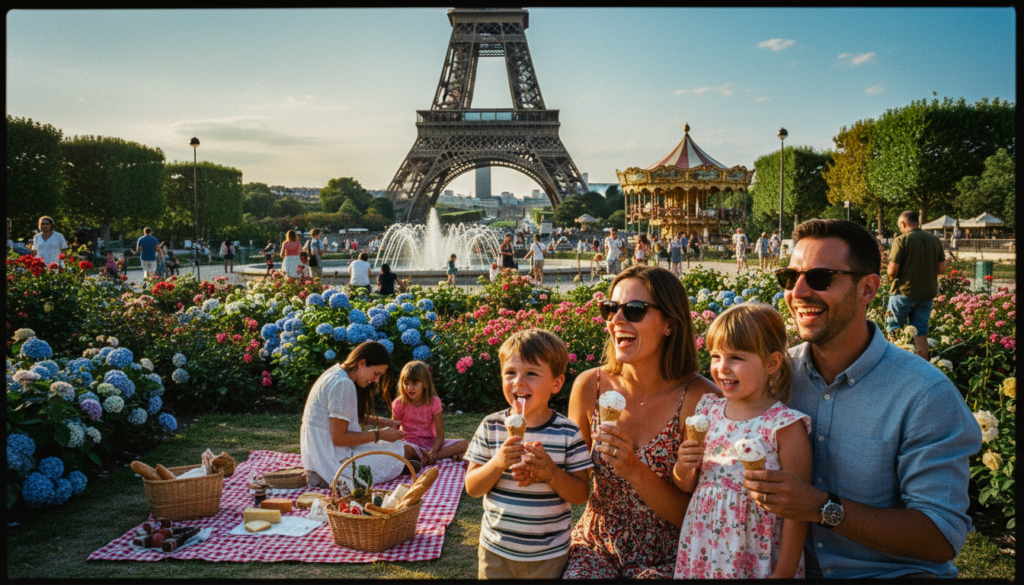
Paris is not just for couples; it’s also a great place for families. The city has many attractions that kids love. These places mix learning with fun, making sure everyone has a great time.
Planning your trip with kids is different than traveling alone. Paris has many places made just for families. You can find interactive museums and amusement parks.
These family-friendly attractions offer a break from seeing too many monuments. They keep everyone entertained. For tips on traveling with kids in Paris, check out Paris with kids.
The Magic of Disney in Europe
Disneyland Paris is about 32 kilometers east of Paris. It has two parks with Disney magic and European flair. Disneyland Park has attractions like Sleeping Beauty Castle and Space Mountain. Walt Disney Studios Park focuses on movie magic and thrilling rides.
You can get to the resort by RER A train from Paris. The trip takes about 40 minutes. The Marne-la-Vallée/Chessy station takes you right to the park.
Tickets come in single-park passes or multi-park tickets. Most families find two days enough to see the main attractions without tiring kids.
Disneyland Paris costs more than usual Paris attractions. Ticket prices change with the season and how early you book. It’s different from American Disney parks, with shorter distances between attractions and unique shows.
Arrive early in peak seasons to avoid long waits. The FastPass system helps skip regular queues. But, planning ahead makes it more useful.
Europe’s Largest Science Museum
The Cité des Sciences et de l’Industrie in Parc de la Villette turns learning into adventure. It has exhibits on space, math, physics, biology, and technology. This big complex encourages hands-on learning.
Children can touch and experiment with scientific concepts. The Géode, a giant sphere, shows documentaries on its 180-degree screen.
Explore the Argonaute submarine from bow to stern. The Cité des Enfants sections are for different age groups. There are areas for kids aged 2-7 and 5-12.
Each zone has activities that teach science through play. Young engineers can build, experiment with water, and learn about machines.
The museum has English translations for main exhibits. But, some interactive parts are in French. Spend at least half a day here, as kids love exploring.
Classic Amusement in the Bois de Boulogne
Jardin d’Acclimatation is a mix of amusement park rides, gardens, and animals in the Bois de Boulogne. It has entertained Parisian families for over 150 years, with modern updates.
There are over 40 rides for younger kids, including carousels and water rides. Puppet shows, a petting zoo, and playgrounds add variety.
This park is a more affordable and fun alternative to Disneyland Paris. Admission is reasonable, with options for single rides or unlimited passes.
The small train is a hit with toddlers and gives parents a break. The gardens are great for picnics between rides.
Modern Zoo Experience
The Paris Zoological Park in the Bois de Vincennes has over 1,000 animals. It shows five different ecosystems from around the world. Each area is designed to look like the animals’ natural habitats.
The zoo focuses on animal welfare and offers great views. You can see lions, giraffes, penguins, and lemurs in their homes.
Educational panels teach about conservation and animal behavior. The design lets you get close to animals without bars, making for unforgettable experiences.
Plan to spend three to four hours to see everything comfortably. There are restaurants, picnic areas, and playgrounds for breaks.
Additional Family Adventures
The Aquarium de Paris near Trocadéro has big tanks with Mediterranean and tropical fish. There are touch pools and shark feeding demos. The cinema shows ocean documentaries.
The Paris Catacombs offer a unique underground tour. It has bones and skulls of millions of Parisians. This attraction isn’t for young kids or those who don’t like tight spaces.
Book your Catacombs tour in advance, as spots are limited. The tour goes 130 steps down and covers 1.5 kilometers of tunnels.
Use Paris Treasure Hunt activities to keep kids interested at landmarks. These guides turn sightseeing into a fun game.
Balance activities for kids with things adults will enjoy. Paris’s attractions are both educational and fun, making your trip memorable.
Tips for Visiting Top Tourist Attractions in Paris
Booking timed entry tickets in advance for big sites like the Eiffel Tower and Louvre Museum makes your Paris trip smoother. It saves you hours of waiting in lines. You can plan your days better. Visit popular spots after 3:00 PM or during evening hours when it’s less crowded.
Smart visitors use insider tricks to make their trip better. Enter the Louvre through the underground Carrousel entrance to skip the pyramid lines. Choose second-floor Eiffel Tower tickets for great views at a lower cost. Exploring modern attractions in Paris adds a fresh touch to your historic sightseeing.
A good paris tourist guide suggests getting Paris Museum Passes for visiting many museums. These passes can save you money after visiting just three places. Wear comfy walking shoes for cobblestone streets, as you’ll walk a lot. Also, check if museums are closed on Mondays before you go.
This paris landmarks guide recommends visiting in April, May, September, or October for nice weather and fewer crowds. Make sure to rest to avoid getting tired. Eat at local bistros on side streets for real meals at good prices. These tips help you see Paris like a pro, not a rushed tourist.
FAQ
Should I book Eiffel Tower tickets in advance or can I buy them on-site?
Book Eiffel Tower tickets in advance on the official website. Timed entry tickets save you hours of waiting, even in peak seasons. Prices range from €15 for the second floor to €28 for the summit.
The second floor offers better views for photos. Booking early is key, as tickets sell out fast during busy times.
How much time should I allocate for visiting the Louvre Museum?
Spend at least 3-4 hours at the Louvre Museum. It’s huge, covering over 60,000 square meters. Book timed entry tickets (€22-32) in advance.
Arrive in the afternoon to avoid crowds. The museum is open until 9:00 PM on Wednesdays and Fridays. A guided tour helps you see more and learn interesting facts.
What’s the best way to visit the Palace of Versailles from Paris?
Take the RER C train for about €4 each way (40 minutes). Then, walk 15 minutes to the palace. Budget 6-8 hours for the whole visit.
Book timed entry tickets (€22-35) in advance. Consider a guided tour for easier travel. Buy round-trip train tickets in the morning to skip long queues.
Can I visit Notre-Dame Cathedral after the 2019 fire?
Yes, Notre-Dame Cathedral is open after the 2019 fire. You need free advance entry tickets to skip long lines. Tower access costs €16 and must be booked in advance.
The cathedral’s Gothic façade is stunning. Seeing it can be emotionally moving. Prepare for the experience.
Which neighborhood should I explore for authentic Parisian atmosphere?
Montmartre has a bohemian vibe with winding streets and artistic heritage. Le Marais offers trendy boutiques and historic mansions. Saint-Germain-des-Prés is known for its literary history and cafes.
The Latin Quarter is lively with student atmosphere. Join a walking tour for a culinary experience and to learn about the neighborhoods.
What’s the best time of day to visit the Arc de Triomphe?
Visit in late afternoon or early evening for spectacular lighting and fewer crowds. The observation deck offers 360-degree views for €16.
Use the underground tunnel for safe access. The sunset hour is perfect for photos. You’ll also see the Tomb of the Unknown Soldier.
Are Seine River cruises worth the money?
Yes, Seine River cruises are magical. Basic cruises cost about €17. Romantic sunset cruises and dinner cruises offer more.
Evening cruises are romantic with city lights. You’ll see landmarks like Notre-Dame and Musée d’Orsay. It’s a memorable way to see Paris.
Should I visit Musée d’Orsay or the Louvre Museum first?
Visit the Musée d’Orsay first. It showcases 19th-century works like Monet and Van Gogh. The museum is in a stunning former railway station.
The 5th floor has famous works. The Musée d’Orsay is smaller than the Louvre, making it a great introduction to Paris’s museums.
What are the must-see stained glass windows in Paris?
Sainte-Chapelle has breathtaking stained glass from 1242-48. It’s a hidden gem with kaleidoscopic scenes. Sunny days make it even more magical.
Book skip-the-line tickets for the best experience. Visit during midday for the best light. It’s a unique experience away from larger cathedrals.
Is the Champs-Élysées worth visiting or is it too touristy?
The Champs-Élysées is worth a visit for its iconic status. It’s famous but can feel commercialized. It’s better for a quick photo and stroll.
Explore neighborhood streets in Le Marais or Saint-Germain-des-Prés for a more authentic experience.
Which Paris garden is best for a relaxing afternoon?
The Jardin du Luxembourg is quintessentially Parisian. It has manicured lawns, flowerbeds, and ponds. It’s perfect for picnics and reflection.
The Tuileries Garden and Parc des Buttes-Chaumont are also great. They offer different experiences and beautiful views.
What’s the difference between Moulin Rouge, Lido de Paris, and Crazy Horse cabarets?
Moulin Rouge is iconic with traditional cabaret. Lido de Paris offers modern shows with Bluebell Girls dancers. Crazy Horse focuses on artistic nude performances.
Choose based on your preference for traditional, modern, or avant-garde cabaret.
How many days do I need to visit Disneyland Paris?
You need at least two days for Disneyland Park and Walt Disney Studios Park. The resort is 32 kilometers east of Paris.
Consider single-park or multi-park tickets based on your time and budget. Plan for full days at the parks.
Are Paris Museum Passes worth purchasing?
Paris Museum Passes can save money if you visit multiple attractions. Calculate the cost based on your itinerary. The pass covers over 60 museums and monuments.
It often includes skip-the-line access. But, you’ll need timed entry for major attractions like the Louvre and Versailles.
What should I know about visiting the Paris Catacombs?
The Paris Catacombs offer a unique experience. They’re suitable for older children and teenagers. Entry is free, but dome access costs €8.
Book tickets in advance as visitor numbers are limited. Wear comfortable shoes for uneven surfaces and stairs. The tour takes about 45 minutes to an hour.
How can I avoid long lines at popular Paris attractions?
Always book timed entry tickets in advance for major attractions. Visit later in the afternoon or during extended hours for smaller crowds.
Use insider secrets like the underground Carrousel entrance at the Louvre. Book guided tours for skip-the-line access. Travel during shoulder seasons for manageable crowds.
Where should I go for authentic French market shopping?
Visit Rue Cler Market for fresh produce and artisanal goods. Marché aux Puces de Saint-Ouen offers vintage and antique treasures. The bouquinistes along the Seine have vintage books and art.
These markets let you shop like a true Parisian. They’re great for finding unique souvenirs.
What’s the best photography spot for Eiffel Tower photos?
The Trocadéro offers the best classic Eiffel Tower photos, best at sunrise. Champ de Mars park and Seine River bridges also provide great views.
The second floor of the tower offers elevated views. Avenue de Camoëns is another excellent spot with fewer tourists.
Is Sacré-Cœur Basilica free to visit?
Yes, entry to Sacré-Cœur Basilica is free. It offers stunning views from its steps. Dome access costs €8 and requires stairs.
The basilica’s interior has beautiful mosaics. You can reach it by stairs, funicular, or walking through Montmartre.
What family-friendly attractions exist beyond Disneyland Paris?
The Cité des Sciences et de l’Industrie is Europe’s largest science museum. It has interactive exhibits and a Géode IMAX theater. Jardin d’Acclimatation offers rides and a petting zoo.
Paris Zoological Park has over 1,000 animals. The Aquarium de Paris showcases Mediterranean and tropical fish. Download Paris Treasure Hunt activities for kids.
Should I take a guided tour of Versailles or explore independently?
A guided tour of Versailles is recommended. Guides share historical context and ensure you see key rooms. Tours last 1.5 hours.
Attending a performance lets you see the venue in its glory. Either way, the palace showcases opulence at its finest.
Which arrondissement should I stay in for easy access to attractions?
The 1st arrondissement is near the Louvre and Tuileries Garden. The 4th arrondissement (Le Marais) has charming streets. The 5th arrondissement (Latin Quarter) is lively.
The 6th arrondissement (Saint-Germain-des-Prés) offers sophisticated ambiance. The 7th arrondissement is near the Eiffel Tower. The 18th arrondissement (Montmartre) has bohemian charm.
All central arrondissements have good metro access. Choose based on your preferred neighborhood atmosphere.
How much time should I spend in Montmartre?
Spend at least 3-4 hours in Montmartre. Visit Sacré-Cœur Basilica and explore charming streets. Enjoy refreshments at a cafe or wine bar.
Photograph La Maison Rose and other spots. Join a walking tour for a culinary experience and to learn about the neighborhood.
What should I know about visiting Palais Garnier Opera House?
The Palais Garnier Opera House is famous for “The Phantom of the Opera.” Guided tours offer a glimpse into its grandeur. Tours last 1.5 hours.
Attending a performance lets you experience the venue in its glory. It showcases Second Empire opulence at its finest.
Which neighborhood should I stay in for easy access to attractions?
The 1st arrondissement is near the Louvre and Tuileries Garden. The 4th arrondissement (Le Marais) has charming streets. The 5th arrondissement (Latin Quarter) is lively.
The 6th arrondissement (Saint-Germain-des-Prés) offers sophisticated ambiance. The 7th arrondissement is near the Eiffel Tower. The 18th arrondissement (Montmartre) has bohemian charm.
All central arrondissements have good metro access. Choose based on your preferred neighborhood atmosphere.