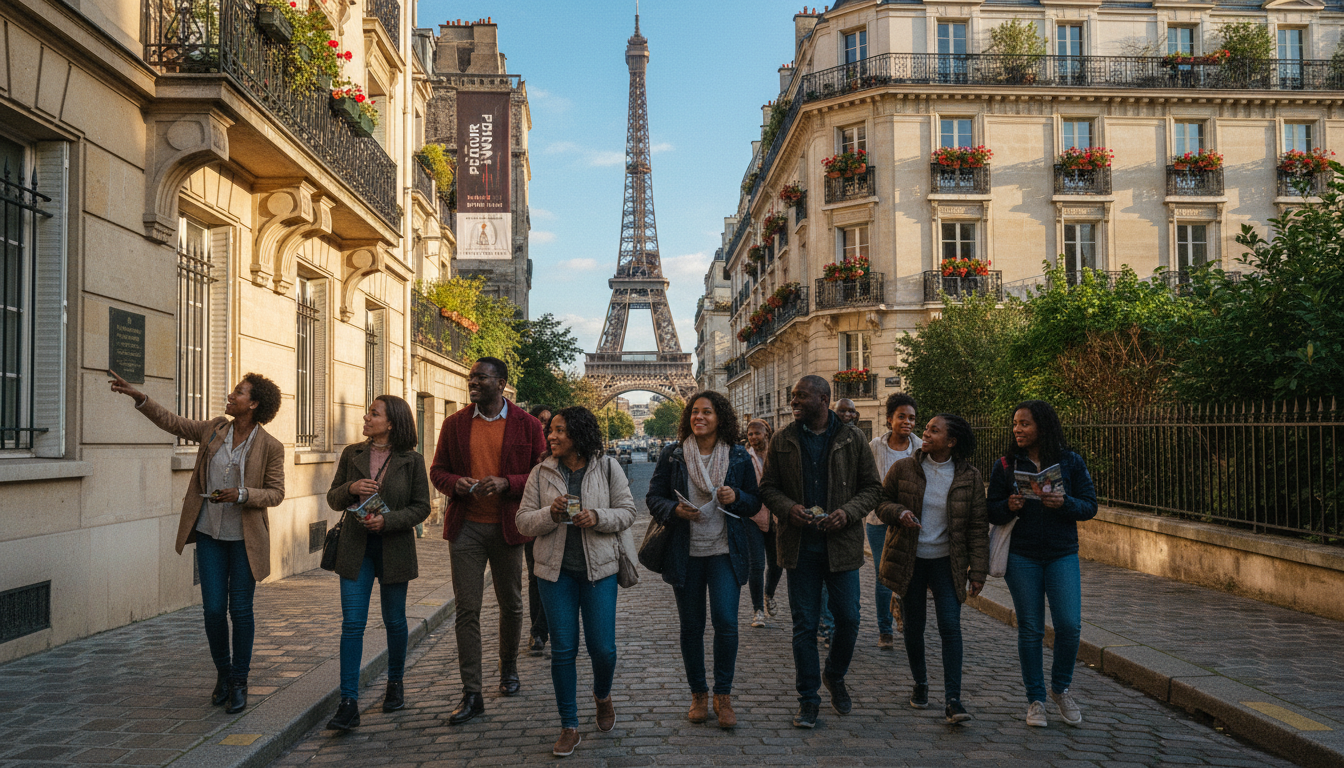
Have you ever wondered why Paris became a sanctuary for Black writers, musicians, and artists? For over a century, the City of Light welcomed those escaping harsh racism in the United States.
This remarkable legacy led to a deep cultural exchange. It enriched both nations in many ways. Today, you can discover this hidden heritage through black history tours paris. These tours reveal stories often missed in regular guidebooks.
Walking The Spirit Tours was founded by Julia Browne in 1994. It was a pioneer in heritage tourism. Entrée to Black Paris also offers detailed experiences into this rich history. Their black paris walking tours show you where jazz legends performed and literary giants wrote.
From Montmartre’s jazz clubs to Saint-Germain-des-Prés’ cafés, you’ll see the african american heritage paris holds. These guided tours help you grasp why Paris was key for Black Americans. They sought artistic and intellectual growth here.
Key Takeaways
- Paris provided a refuge from racism for Black Americans for over 100 years, fostering unprecedented creative freedom
- Walking The Spirit Tours pioneered Black heritage tourism in 1994, establishing comprehensive cultural exploration experiences
- Specialized tours reveal hidden stories throughout iconic neighborhoods like Montmartre and Saint-Germain-des-Prés
- The legacy includes contributions from writers, musicians, artists, and intellectuals who shaped both cultures
- Professional guided tours connect you with authentic locations where groundbreaking cultural exchange occurred
- These experiences help you understand the depth of Black influence on Parisian culture from WWI to today
African American Tours in Paris Through the Jazz Age
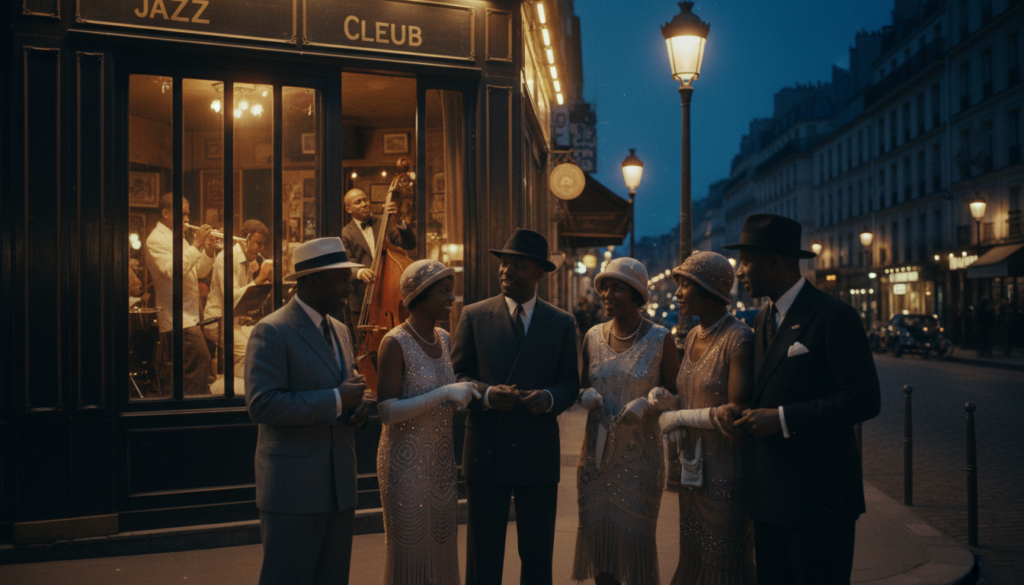
Montmartre’s streets once rang with jazz, leaving a legacy we can explore today. Jazz entered French hearts during World War I through the Harlem Hellfighters. By the Roaring Twenties, African American musicians and entertainers flocked to Paris, seeking artistic freedom denied in the U.S.
Lower Montmartre became a vibrant African American community, with jazz clubs on nearly every corner. The neighborhood welcomed Black artists with respect and opportunities denied in the U.S. African American tours in Paris through the jazz age let you walk these historic streets and discover where legends were born.
Paris became the jazz capital of Europe thanks to these pioneering musicians. Today, you can relive this heritage through tours that bring jazz age Black Paris to life. Each tour focuses on specific neighborhoods, artists, and venues that shaped this cultural movement.
Montmartre Jazz Clubs and Josephine Baker Heritage Walk
Your journey through Montmartre jazz clubs starts on the sloping streets where history was made. This neighborhood became the heart of Paris jazz culture in the 1920s. You’ll find the corner of Rue Fontaine and Rue Pigalle, where Bricktop managed her legendary club.
Bricktop, a fiery redhead from West Virginia, taught the Prince of Wales to Charleston at her club. Young French musicians like Stephane Grapelli and Django Reinhardt absorbed new sounds at her club. Her influence blended American jazz with European traditions.
The Josephine Baker Paris tour takes you to ‘Chez Josephine,’ her restaurant where she entertained royalty and celebrities. You’ll learn about Josephine Baker Paris history beyond her performances. She became a French citizen in 1937 and worked as a spy for the French Resistance during World War II, earning military medals for her bravery.
This walking tour reveals Baker’s transformation from entertainer to national hero. Your guide shares stories about her adoption of twelve children from different backgrounds, creating her “Rainbow Tribe.” You’ll see memorial plaques and locations that honor her contributions to French culture and the resistance movement.
Saint-Germain-des-Prés Jazz Trail and Café Culture Tour
The Saint-Germain-des-Prés jazz trail introduces you to the intimate post-war jazz clubs that defined the bebop era. This Left Bank neighborhood attracted intellectuals, artists, and musicians to basement clubs and sidewalk cafés. The atmosphere here differed from Montmartre’s glittering nightclubs, offering a more intellectual approach to jazz.
You’ll visit historic cafés where musicians like Miles Davis spent their afternoons between performances. The French culture minister famously described Davis as “the Picasso of Jazz.” Your tour includes a stop at La Hotel Louisiane, where Davis was a frequent guest and found inspiration for some of his most innovative work.
This café culture tour reveals how jazz became intertwined with existentialist philosophy and intellectual discourse. You’ll see where musicians jammed late into the night, creating the cool jazz sound that influenced generations. The neighborhood still maintains several jazz venues where you can experience live performances in authentic settings.
Your guide explains how African American musicians found acceptance in these cafés that transcended racial barriers. The Saint-Germain-des-Prés scene represented a unique cultural exchange between American jazz traditions and French artistic movements.
Sidney Bechet and the Latin Quarter Music Scene Tour
The Sidney Bechet tour focuses on this clarinet and soprano saxophone virtuoso who became a French national treasure. Bechet arrived in Paris in 1949 and never left, becoming the first American jazz musician to achieve true celebrity status in France. His influence on French jazz culture remains unmatched.
You’ll explore the Latin Quarter venues where Sidney Bechet performed regularly, including small clubs near the Sorbonne University. Students and intellectuals packed these intimate spaces to hear his distinctive soprano saxophone style. His recording of “Petite Fleur” became a massive hit in France, cementing his legendary status.
This tour reveals how Bechet’s music resonated with French audiences in ways that surprised even him. You’ll learn about his marriages to French women and his complete integration into Parisian society. Your guide shares anecdotes about his collaborations with French musicians and his role in training the next generation of European jazz artists.
The Latin Quarter music scene provided a bohemian atmosphere where jazz experimentation flourished. You’ll discover venues that hosted jam sessions lasting until dawn, where musicians pushed the boundaries of improvisation and created new jazz forms.
Le Caveau de la Huchette Historic Jazz Club Visit
Your visit to Le Caveau de la Huchette offers an authentic jazz experience in a venue operating since the 1940s. Located near Notre Dame Cathedral, this historic club maintains the same vaulted medieval cellars where legends once performed. The atmosphere transports you directly back to the golden age of jazz in Paris.
At Le Caveau de la Huchette, fans still dance to swing and big band sounds reminiscent of Sidney Bechet and Louis Armstrong. The club features live music seven nights a week, with bands playing traditional jazz styles. You can learn swing dancing steps from regulars who have been coming here for decades.
This historic jazz club visit lets you experience the energy that made Paris a jazz sanctuary. The stone archways and intimate atmosphere create perfect acoustics for the music. Your guide explains how the club survived through different eras, maintaining its commitment to traditional jazz forms while welcoming new generations of musicians.
The venue appeared in several films and continues to attract both tourists and local jazz enthusiasts. You’ll understand why African American musicians felt so welcomed in Paris when you experience the enthusiasm French audiences still show for this music tradition.
Literary and Intellectual Heritage Tours
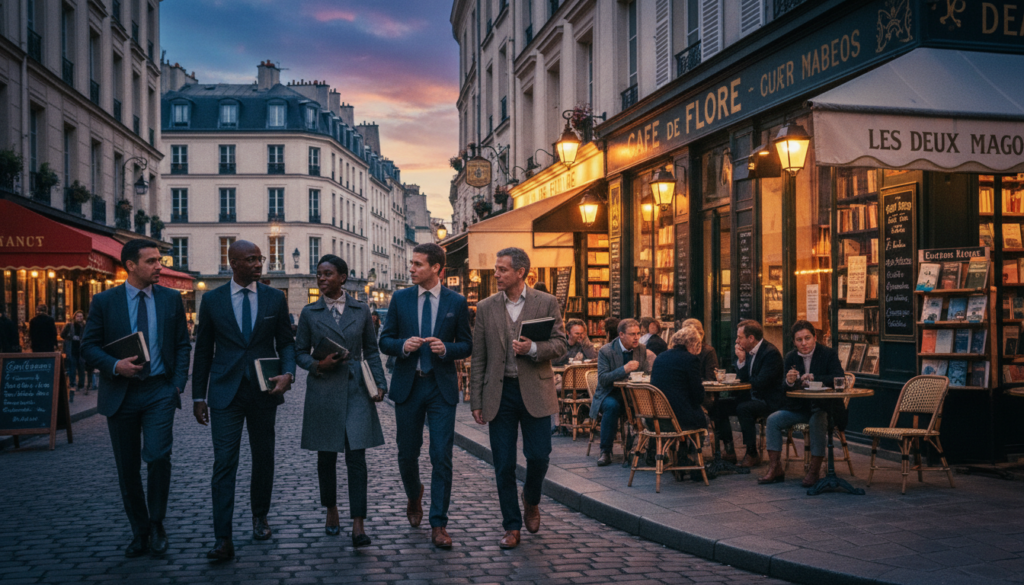
Paris and the greatest African American writers of the 20th century have a deep connection. These tours take you through neighborhoods where these writers found freedom. You’ll see the cafés, apartments, and streets that shaped their voices.
Paris offered something American cities couldn’t in the mid-20th century. African American writers could sit in any café, rent any apartment, and engage with intellectuals on equal terms. This freedom allowed them to focus on their craft and explore deep questions about identity and the human condition.
James Baldwin Left Bank Literary Walking Tour
The James Baldwin Left Bank Literary Walking Tour explores the transformative years of one of America’s most important writers. James Baldwin arrived in Paris in 1948, escaping racism in America. He lived in a cold water flat near the River Seine, which freed his creative spirit.
Your tour takes you to Baldwin’s flat and his residence near St Sulpice church. These modest living conditions are featured in his essays and novels. They provide authentic settings for his explorations of exile and identity.
The james baldwin paris sites on this tour include the cafés where he wrote his groundbreaking essays. His experiences in these neighborhoods fueled finely observant works like Notes of a Native Son (1955). Paris gave Baldwin the distance to reflect on race, sexuality, and American identity with clarity.
“Once I found myself on the other side of the ocean, I could see where I came from very clearly… I am the grandson of a slave, and I am a writer. I must deal with both.”
These james baldwin paris walking tours reveal how the Left Bank became his sanctuary. The freedom to be Black, gay, and American without apology transformed his writing. You’ll walk the same cobblestone streets where Baldwin wrestled with manuscripts that would change American literature forever.
Richard Wright and Café de Flore Writers Trail
The Richard Wright and Café de Flore Writers Trail immerses you in the intellectual café culture of post-war Paris. Richard Wright, famous for Native Son, arrived in Paris in 1946. He became part of the city’s philosophical elite, debating with intellectuals Jean-Paul Sartre and Simone de Beauvoir at famous literary cafés.
Your trail includes stops at Café de Flore and Deux Magots, where Wright engaged in discussions about existentialism and racial justice. These conversations influenced his later novels and essays. You’ll sit at the tables where French intellectuals championed the African American cause.
The tour also takes you to Café Tournon near Luxembourg Gardens. This American-frequented establishment became Wright’s regular haunt. An honorary plaque outside his former home on Rue Monsieur LePrince recognizes his contribution to world literature.
| Literary Café | Notable Figures | Historical Significance | Current Status |
|---|---|---|---|
| Café de Flore | Richard Wright, Sartre, de Beauvoir | Center of existentialist philosophy and civil rights discourse | Operating daily, preserves original interior |
| Deux Magots | Wright, Baldwin, Hemingway | Literary prize awarded annually since 1933 | Operating daily, maintains literary tradition |
| Café Tournon | American expatriate writers and artists | Primary gathering spot for African American intellectuals | Operating with renovated interior |
| Café Select | Chester Himes, Wright, Baldwin | 24-hour refuge for writers seeking inspiration | Operating daily in Montparnasse |
Langston Hughes and the Harlem Renaissance in Paris Tour
The Langston Hughes and the Harlem Renaissance in Paris Tour explores a lesser-known chapter in the poet’s life. Young Langston Hughes arrived in Paris in 1924, working humble jobs while absorbing the city’s vibrant cultural scene. He created the first jazz poetry while washing dishes in a Montmartre club’s kitchen, listening to the revolutionary sounds drifting from the stage.
This tour reveals the harlem renaissance paris connection that many visitors don’t know existed. Hughes brought Harlem’s energy to Paris and took Paris’s artistic freedom back to America. You’ll visit the Montmartre jazz clubs where he experienced the fusion of African American music and European bohemianism.
The harlem renaissance in paris represented a transatlantic cultural exchange. Hughes corresponded with fellow Harlem Renaissance figures while developing his unique voice in French cafés. Your guide explains how Paris validated the artistic experiments that Harlem had initiated, giving Black artists confidence that their innovations mattered on the world stage.
You’ll discover locations where Hughes wrote poems that would later appear in The Weary Blues (1926). The tour demonstrates how paris harlem renaissance tours connect two crucial locations in African American cultural history. Hughes’s Paris period proved that Black artistic excellence transcended national boundaries.
Shakespeare and Company and Black Expatriate Authors Walk
The Shakespeare and Company and Black Expatriate Authors Walk centers on the legendary English-language bookstore that served as a meeting place for expatriate writers. The original Shakespeare and Company (1919-1941) and its spiritual successor (opened 1951) both welcomed African American authors seeking community and literary resources far from home.
Your walk includes the current Shakespeare and Company location on Rue de la Bûchette. This iconic bookstore maintained the tradition of supporting struggling writers regardless of race. Baldwin, Wright, and other Black authors found acceptance, encouragement, and shelf space for their controversial works here when American bookstores often refused to stock them.
The tour takes you to the tiny Rue Git-le-Coeur near Notre Dame, where Chester Himes lived in a former rooming house. Himes came up with his first detective novel here, creating the Harlem detectives Coffin Ed Johnson and Gravedigger Jones. The French awarded his book a top literary prize in 1957, and it later became the movie A Rage in Harlem.
You’ll learn how Shakespeare and Company owner George Whitman continued the bookstore’s tradition of hospitality. He offered free beds to writers in exchange for working in the shop, creating a literary commune that welcomed Black authors. This walk demonstrates how black intellectual history paris extends beyond famous names to include entire support networks.
These literary and intellectual heritage tours provide essential context for understanding African American contributions to world literature. You’ll walk away with appreciation for how Paris nurtured voices that might have been silenced elsewhere. The locations remain authentic, many still operating as cafés, bookstores, and residential buildings where you can sit and reflect on this remarkable cultural legacy.
African American Tours in Paris for Civil Rights and Political History
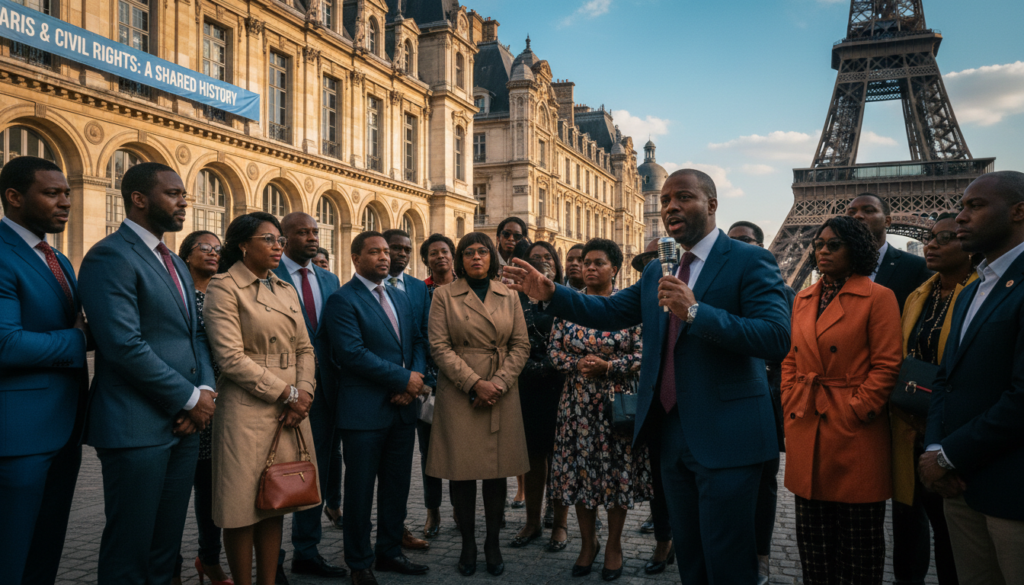
African American tours in Paris show how the city helped shape global Black liberation. Paris was more than a place for art; it was a hub for political action and intellectual resistance. You’ll see where activism began and heroes made history.
These tours connect you to key moments when African Americans used Paris to challenge injustice worldwide. The city’s freedom from American segregation allowed for bold political statements. You’ll walk where revolutionary ideas grew and leaders found strength.
Many don’t know Paris played a big role in shaping modern civil rights. These tours highlight Paris’s role in the fight for equality. Your understanding of African American history will grow as you explore these landmarks.
Revolutionary Exhibitions and Pan-African Organizing
The W.E.B. Du Bois and the Pan-African Congress sites tour takes you to the Petit Palais near the Champs-Élysées. Here, Du Bois showed a groundbreaking exhibition during the 1900 World’s Fair. It challenged racist stereotypes with photos of thriving Black Americans.
This display earned a gold medal and international recognition. You’ll stand where Du Bois showed Black achievement to the world. It proved Black Americans were building prosperous communities despite oppression.
The tour also explores Pan-African Congress sites in Paris. These meetings brought Black leaders together to plan liberation strategies. You’ll learn how these meetings influenced independence movements in Africa and the Caribbean.
Your guide will explain how Paris became a place for radical organizing. The city allowed discussions that were dangerous in colonized territories. Du Bois and others could plan for global racial justice freely.
The Sorbonne is also a key stop, where Anna Julia Cooper earned her PhD in 1925 at 67. Her achievement shows Paris’s educational opportunities for Black scholars. You’ll see how the city welcomed Black intellectual ambition, unlike America.
Jazz Warriors and World War I Service
The World War I Harlem Hellfighters heritage walk honors the 369th Infantry Regiment. These soldiers fought bravely in France, facing racism from their own army. Their courage earned them French honors and respect.
You’ll discover how these soldiers introduced jazz to France, changing French culture. The Harlem Hellfighters band performed in Paris, sparking French passion for jazz. Their musical influence was as lasting as their military service.
The tour visits sites where the regiment was stationed and performed. You’ll learn about the irony of fighting for freedom abroad while facing racism at home. These men served a country that maintained Jim Crow segregation in its military.
Your guide will share stories of Hellfighters who stayed in France after the war. Many found respect and dignity in Paris they couldn’t find in America. The tour explores how their wartime experiences influenced later civil rights activism.
French military archives and memorials are part of this walk. You’ll see decorations awarded to Harlem Hellfighters. Their service opened French eyes to American racial policies.
Liberation Forces and World War II Legacy
The World War II African American soldiers liberation route follows Black servicemen who freed Paris in August 1944. You’ll follow their paths as they entered the city to jubilant celebrations. Their role in liberation carried deep symbolism for both French citizens and the soldiers.
These tours commemorate the sacrifice of segregated units who fought fascism despite racism at home. You’ll learn about the painful contradiction of risking lives for democracy abroad while facing segregation. This experience radicalized many soldiers who returned home to fight for civil rights.
You’ll visit memorials honoring African American units and learn about individual heroism during liberation. French gratitude for these soldiers contrasted sharply with the segregation they faced in the U.S. military. This disparity awakened many to the injustice of American racial policies.
The tour includes discussion of how military service influenced the emerging civil rights movement. Veterans who experienced equality in France became activists back home. Their wartime experiences provided strong arguments against segregation and discrimination.
Richard Wright’s retreat in Normandy also connects to this history, as American soldiers are still honored there. You’ll understand how Black veterans and expatriate intellectuals shared experiences of French acceptance. These connections strengthened resolve to challenge American racism.
Radical Intellectuals and Revolutionary Thought
The Angela Davis and black radical thinkers in Paris tour explores the city’s role as a sanctuary for revolutionary Black intellectuals in the 1960s and 70s. Paris became a place for activists fleeing American persecution and seeking political asylum. You’ll visit cafés, bookstores, and meeting halls where radical ideas were debated and refined.
Angela Davis spent significant time in Paris during her exile years, connecting with other revolutionary thinkers. The tour examines how Paris provided space for Black radical thought to develop without constant surveillance. You’ll learn about the international solidarity networks that formed in Parisian intellectual circles.
These tours include sites where the Black Panther Party established international offices. Eldridge Cleaver and other activists found temporary refuge in Paris while facing charges in America. The city’s tradition of political asylum allowed these figures to continue organizing and writing.
Your guide will explain connections between Parisian radical thought and movements worldwide. French intellectuals like Jean-Paul Sartre supported Black liberation struggles, creating cross-cultural alliances. These partnerships strengthened both French leftist movements and African American activism.
The tour highlights how Paris maintained its historical role as a haven for political dissidents. From the Pan-African Congresses to 1970s radicalism, the city consistently offered freedom to Black political thinkers. You’ll see how this tradition enriched both Parisian intellectual life and global liberation movements.
Understanding these political dimensions adds crucial context to the broader African American experience in Paris. These tours reveal that Black Americans sought not just artistic freedom but political sanctuary. The city’s openness to radical thought made it essential to global civil rights and liberation movements.
Art and Performance Heritage Tours
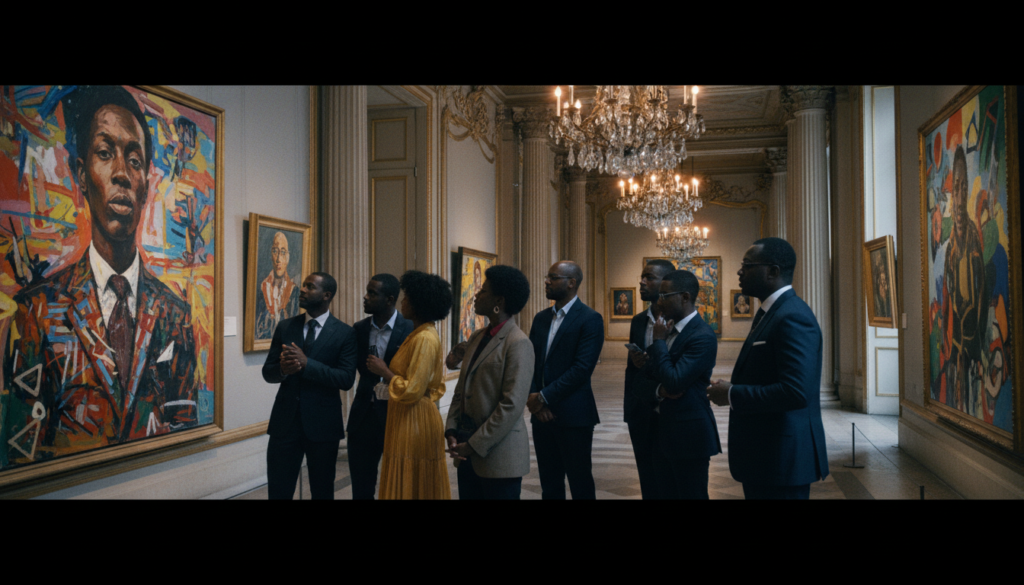
Art and performance heritage tours highlight the impact of African American artists on Paris’s culture in the 20th century. These tours offer a deep dive into the studios, galleries, and venues where Black artists found acceptance and opportunity. Paris became a creative haven for them, decades before they were recognized in America.
The visual arts heritage of African American artists in Paris is a significant chapter in cultural history. Your journey through this legacy reveals stories of resilience, creativity, and cross-cultural exchange. These stories have forever changed the art worlds of both America and France.
Baker’s Complete Parisian Journey
The Josephine Baker’s Paris Life and Legacy Tour goes beyond her famous performances. It explores her complete Parisian life. Baker became a French national hero through her espionage work during World War II, earning military honors.
Your tour guide will take you to Place Josephine Baker in Paris’s 14th district. This public square honors her permanent place in French memory. It shows how deeply the French embraced Baker, unlike the racial prejudice she faced in America.
The tour also covers Baker’s humanitarian work, including her adoption of twelve children from different nationalities. You’ll visit locations connected to her restaurant and hear stories about her château in the French countryside.
Reframing Museum Masterworks
The Louvre and Orsay Tour Through a Black Art History Lens changes how you see museums. It explores African American artistic engagement with European traditions. Your guide highlights works by Black artists and classical European art.
You’ll see how African American artists studied European masterworks and developed their own styles. The tour addresses race representation in art history. It shows you paintings with new significance.
This tour reveals connections between European art movements and Black artists in Paris. You’ll gain fresh perspectives on artworks through discussions about cultural exchange and artistic influence.
Pioneer of International Recognition
The Henry Ossawa Tanner and African American Artists Walk takes you through the Rue de Seine arts district. Tanner, a Philadelphia-born painter, maintained his studio here. He became the first African American artist to gain international acclaim, despite facing racism in America.
Your guide will explain how Tanner’s “The Rising of Lazarus” adorned the Louvre in the early 1900s. This honor was unthinkable for a Black artist in America at the time. The tour explores the arts district near the Louvre where Tanner worked and taught.
You’ll learn about the dozens of young African American artists in Paris who sought Tanner’s advice in the 1920s and 1930s. This includes:
- Palmer Hayden – Known for depicting African American life and folklore
- Archibald Motley – Celebrated for vibrant scenes of Black urban culture
- Meta Vaux Warrick – Pioneering sculptor who addressed racial themes
- Hale Woodruff – Muralist who later documented African American history
Tanner’s studio became a pilgrimage site for the next generation of Black artists. The black artists Paris walking tours show how this support system launched important careers.
Modernist Exchange in Artist Quarters
The Montparnasse Studios and the Black Art Scene Tour explores the vibrant artist quarter. African American painters worked alongside international modernists here. You’ll visit cafés and studios where cross-cultural artistic exchange flourished.
Your guide takes you to La Palette café on the corner of Rue Jacques Caillot. This was a gathering spot for writer James Baldwin and painter Beauford Delaney. These informal meeting places were creative incubators where artists shared ideas and formed friendships.
The tour shows how the black art scene in Montparnasse fostered collaboration between African American artists and Europeans. You’ll understand why this neighborhood was crucial to modern art development. Black artists contributed to movements that shaped 20th-century visual culture.
African American Tours in Paris by Neighbourhood
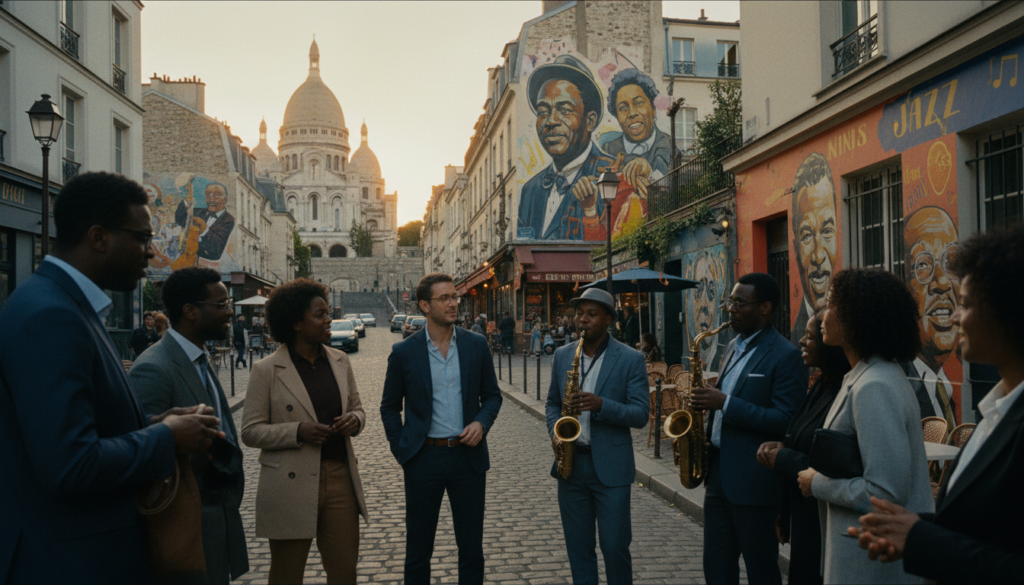
Exploring African American tours in Paris by neighbourhood lets you see the layers of Black expatriate life. Each area has its own story, from jazz clubs to African communities. Walking through these areas, you’ll see how different places showed Black cultural expression in unique ways.
These tours link history with walking paths you can follow. You’ll see how African American expatriates claimed streets and corners. This makes Black Paris real and easy to explore during your visit.
Montmartre and the Birth of Jazz in Paris
Lower Montmartre, south of Moulin Rouge, was the heart of African American culture in the Roaring 20s. Jazz clubs filled every corner around Place Pigalle, offering a place for Black musicians to shine. This area welcomed artists who faced racism back home.
Bricktop’s, on Rue Fontaine and Rue Pigalle, was a symbol of black expat culture. Ada “Bricktop” Smith’s club was a place of glamour and sophistication, attracting both Black artists and European nobility. It showed how African American expats in Paris valued talent over race.
Today, Montmartre’s streets still buzz with the energy of its past. Walking here, you can feel the vibe that made it legendary. Josephine Baker’s rise to fame and Langston Hughes’s writing in Paris kitchens are part of this history.
Your Montmartre tour should highlight key addresses where history was made. The area around Rue Pigalle was home to dozens of clubs employing hundreds of African American performers. This concentration of talent turned a Parisian hillside into a global cultural hub.
Saint-Germain-des-Prés and the Expatriate Writers Quarter
The Left Bank’s literary heart offered a perfect setting for contemplation and creativity. Saint-Germain-des-Prés has long been a haven for writers, but African American expatriates found something special here. The neighborhood’s intellectual atmosphere and acceptance fueled their literary ambitions.
James Baldwin and Richard Wright lived in this quarter, producing major works. Chester Himes wrote his detective novels at café tables, introducing Black protagonists to crime fiction. The cafés of Saint-Germain served as offices and meeting places for these writers.
Walking through this district connects you with literary achievements. You’ll see how the neighborhood’s layout encouraged chance encounters between artists. The area’s bookshops, publishers, and writers created a supportive ecosystem for Black creative work.
Le Marais and the African Diaspora Cultural Trail
Le Marais broadens your view beyond African American history to explore the wider diaspora. This neighborhood shows how different Black heritages intersected in Paris. Caribbean, African, and African American communities found common ground here.
The African diaspora cultural trail reveals centuries of Black presence in Paris through various perspectives. You’ll see how Haitian revolutionaries, West African students, and American expatriates crossed paths. These interactions created a rich cultural exchange that influenced everyone involved.
Le Marais today keeps its multicultural spirit through restaurants, galleries, and cultural centers. The neighborhood shows how black expatriate tours connect historical figures with today’s communities. You’ll see the continuity between past and present Black Parisian life.
Walking The Spirit Tours offers an “Africa In Paris” circuit exploring the city’s Diaspora relations through various neighborhoods. Their approach helps you understand connections between historical African American expatriates in Paris and today’s vibrant African communities. This perspective completes your understanding of Black Paris as an ongoing story.
Château-Rouge and Goutte d’Or African Heritage Walk
The 18th arrondissement neighborhoods of Château-Rouge and Goutte d’Or showcase contemporary African heritage in Paris. These districts are alive with West and North African communities, continuing Paris’s Black cultural tradition. Your visit here connects historical expatriates with current diaspora experiences.
The Château-Rouge metro station marks a neighborhood filled with African markets, restaurants, and shops. You’ll find languages, foods, and music from across the continent. This vibrant quarter shows how Paris remains a magnet for Black communities seeking opportunity and cultural exchange.
Goutte d’Or’s streets reveal layers of immigration history alongside African cultural expression. The neighborhood faces gentrification pressures while maintaining strong community identity. Understanding these contemporary challenges adds depth to your knowledge of black expat history in Paris across different eras.
These neighborhoods complete your picture of Black Paris by showing the continuum from jazz-era expatriates to today’s African diaspora. The cultural energy that attracted African American artists in the 1920s still draws Black communities from around the world. Your exploration here demonstrates that Black Parisian heritage remains alive and evolving.
Private and Custom African American Tour Experiences
Choosing a customized tour lets you dive deep into Black history in Paris. You get to decide the pace and topics you want to explore. Unlike group tours, these options fit your interests perfectly.
Walking The Spirit Tours offers tailored heritage experiences in Paris. Founder Julia Browne helps plan your trip, mixing history, culture, and food. Over 40% of clients recommend these tours to others, showing their quality.
Book private coach transport for your group to see more comfortably. About 60% of clients are older travelers who love the personal touch these tours offer.
Concentrated Heritage Discovery in Half a Day
A private half-day tour in Black Paris focuses on key landmarks. It’s great for those with limited time or who want to mix heritage with other Paris activities. Guides take you through neighborhoods like Montmartre or Saint-Germain-des-Prés.
This tour covers three to five sites in three to four hours. You’ll see Josephine Baker’s home, jazz clubs, and cafés where Black expatriates met. Your guide adjusts the tour to your pace and interests.
This format is perfect for an introduction before exploring more on your own. You can ask questions without holding up a group.
Deep Exploration with a Full-Day Custom Itinerary
A full-day itinerary lets you explore your favorite themes deeply. Whether it’s jazz, literature, art, or politics, your guide crafts the day for you. These tours usually last six to eight hours.
Julia Browne works with you to plan, considering your interests. She might mix walking tours with museum visits and historic jazz spots. This flexibility lets you spend more time on what interests you most.
You could spend your morning at James Baldwin’s spots in Saint-Germain, then lunch at a Black intellectuals’ café. Full-day itineraries offer time for deep conversations about African American history and French culture.
Shared Heritage Journeys for Families and Groups
Private group tours are great for family reunions or events. They offer a chance to explore heritage together. Your group moves at its own pace, without strangers.
These tours are educational and engaging for all ages. Younger family members learn about figures like Josephine Baker, while older ones share their own stories. These tours spark conversations that last long after the tour.
Walking The Spirit Tours provides private coach transport for groups. Your guide can make special stops or visits to favorite restaurants.
Educational Programs for Students and Scholars
Student and academic tours offer immersive Afrocentric activities and French experiences. They meet curriculum goals and make history engaging. Guides lead discussions on historical events and their impact today.
Academic groups might visit sites of the Pan-African Congress and discuss their influence on civil rights. Interactive elements keep students engaged throughout. Teachers get materials to extend learning in class.
These tours include museum visits and cultural centers. Students see artifacts and primary sources. Group sizes are 15 to 30, with prices for educational budgets.
Customized tour packages combine different themes over days. You can explore jazz, art, and politics for a full understanding of African American presence in Paris.
Self-Guided African American Heritage Trails
You can explore Paris’s rich African American history without a tour. Self-guided trails let you control your time and budget. They’re perfect for those who like to explore at their own pace or revisit places they love.
Exploring on your own means you can take photos, spend more time at sites, or skip places you’re not interested in. You can mix heritage sites with other activities. Today’s resources make exploring easier and more informative than ever.
Downloadable Maps and Walking Routes
A free walking map is a great start for your journey. Entrée to Black Paris offers self-guided tours that highlight important African American sites. These maps show you the way and give a brief history of each spot.
You can print these maps or use them on your phone while walking. Most maps focus on areas like Saint-Germain-des-Prés or Montmartre. This makes it easier to get around without needing to take public transport.
Many maps have suggested routes based on themes like jazz or civil rights. Choose the theme that interests you most. Some maps also tell you how long the walk will take and if it’s easy to get around.
With detailed maps, you can create your own route. You can do short walks or make a full-day adventure. This flexibility is great for visitors with different amounts of time in Paris.
Historic Cemetery and Burial Sites
Père Lachaise Cemetery is a key place to learn about African American expatriates in Paris. It’s the final resting place of many notable Black figures who loved Paris. Walking here connects you with their stories of finding freedom and acceptance in France.
At the cemetery, you can find specific graves using maps at the entrance or apps on your phone. Many famous residents, like Oscar Wilde and Jim Morrison, are buried nearby. The quiet atmosphere is perfect for reflecting on their lives and contributions.
Some visitors spend hours here, taking notes on epitaphs and biographies. The inscriptions on headstones often share personal details not found in books. You get a unique glimpse into how these individuals wanted to be remembered.
Père Lachaise cemetery is both a historical archive and a place of respect for African American presence in Paris. Visiting graves gives you a closer connection to history than seeing plaques or former homes. It’s a powerful way to connect with the past.
Commemorative Markers Throughout the City
Plaques and memorials across Paris honor Black figures. For example, a plaque outside Richard Wright’s former home on Rue Monsieur LePrince recognizes him as “L’homme de lettres Noir American.” These markers help you find important sites and acknowledge their contributions.
Place Josephine Baker in the 14th arrondissement is a memorial to this celebrated African American entertainer and activist. The square shows France’s appreciation for her artistic legacy and wartime service. You can visit freely and learn from informational panels about her life.
Creating walks that connect different plaques and memorials adds structure to your exploration. You might visit literary figures in the Latin Quarter or performers in Montmartre. Each plaque includes dates, achievements, and the person’s connection to that location.
Photographing these markers is a great way to document your heritage journey. Many visitors collect photos of African American contributions recognized in Paris. These images are educational resources you can share with family and friends back home.
| Resource Type | Best For | Cost | Accessibility |
|---|---|---|---|
| Downloadable Walking Maps | First-time visitors wanting structure | Free | Requires smartphone or printing |
| Cemetery Self-Tours | Reflective, historical connection | Free cemetery entry | Requires moderate walking ability |
| Plaque Hunting Routes | Photography enthusiasts | Free | Varies by neighborhood terrain |
| Audio Guide Apps | Learners wanting detailed narration | Free to $15 | Requires smartphone and headphones |
Digital Audio Companions for Walking
Audio guide apps turn your smartphone into a knowledgeable guide as you walk. They offer narration, historical context, and sometimes archival recordings. You have a guide in your pocket, without the need for scheduled tour times.
Many apps use GPS to provide relevant information as you approach landmarks. This makes your walk more engaging and informative. You hear stories about each site as you stand there, creating a powerful connection.
Some guides include music samples from jazz clubs, excerpts from literary works, and interview clips with historians. These multimedia elements bring history to life in a way text alone can’t. You can replay sections or skip ahead as you like.
The pause and resume feature of audio guide apps gives you control over your pace. You can stop for coffee at a historic café and then continue the tour. This flexibility combines the knowledge of guided tours with the freedom of independent travel.
Podcast-style audio tours for Black heritage tours in Paris often feature expert narrators. The production quality is high, rivaling documentaries. You get years of research condensed into engaging audio content.
When using audio guide apps, consider battery life and data usage. Download content via WiFi before leaving your accommodation to avoid data charges. Bring a portable charger to ensure your phone lasts through long walks.
Reviews and ratings help you choose quality audio experiences. Look for apps focused on African American landmarks in Paris. Specialized content offers deeper insights and more relevant historical connections.
How to Book African American Tours in Paris
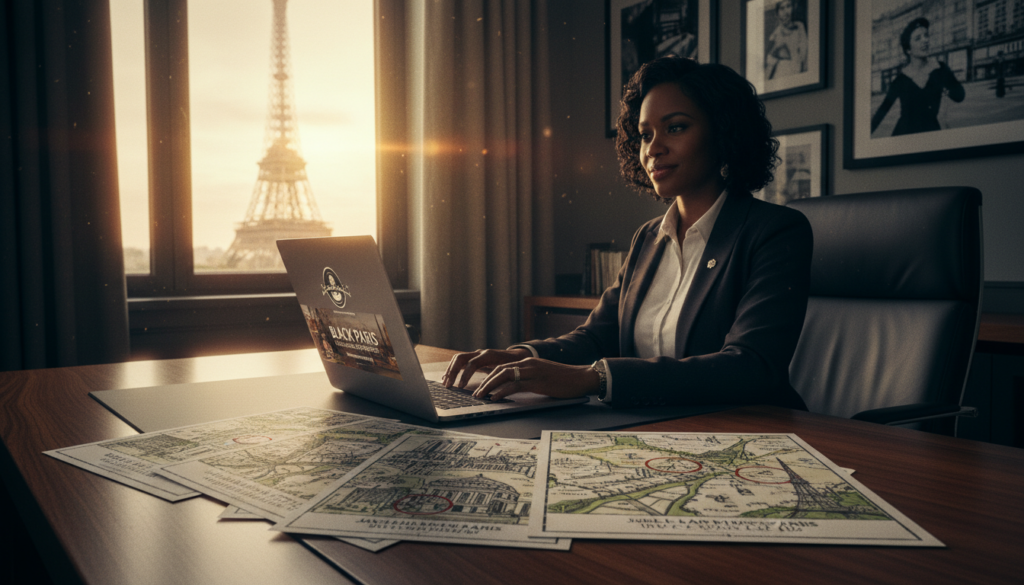
Booking an authentic African American heritage tour in Paris is a unique process. You need to find specialist providers and consider the best times to visit. This is different from booking regular city tours because you want guides with deep cultural knowledge.
When looking for how to book African American tours in Paris, research is key. Look for companies that focus on authenticity. The best ones have guides who are African American or Afro-Parisian, sharing their personal experiences.
Choosing the right tour is important. You want to honor the legacy of Black expatriates, artists, and activists who shaped Paris.
Specialist Tour Operators and Cultural Guides
When searching for specialist tour operators and cultural guides, you’ll find companies dedicated to Black heritage in Paris. These operators are different from general tour companies that add African American history as an afterthought.
Walking The Spirit Tours is a leader in this field. Founded by Julia Browne in 1994, it offers Black Paris walking tours, signature tours, private bus tours, and full travel planning services.
Your booking with Walking The Spirit Tours starts with a free phone consultation with founder Julia Browne. This allows you to discuss your interests, family history, and specific aspects of African American heritage you want to explore.
All guides at Walking The Spirit Tours are local African Americans and Afro-Parisians. They are chosen for their expertise, storytelling skills, and intimate neighborhood knowledge.
This focus on authentic voices ensures you hear stories from people connected to the communities they represent. The company has expanded beyond Paris, offering Black heritage tours through a network of passionate partners in the UK, Europe, Canada, and Washington DC.
Entrée to Black Paris is another excellent specialist option. They offer guided walking tours exploring Black history in Paris and self-guided tours with publications available for independent exploration.
The Entrée to Black Paris walking tour focuses on literary and jazz heritage. It takes you through neighborhoods where Richard Wright, James Baldwin, and other luminaries lived and worked.
Context Travel brings a scholarly approach to African American heritage tours. Their guides hold advanced degrees and provide intellectual depth to the historical narratives.
The Context Travel African American heritage in Paris tour appeals to travelers who want academic rigor combined with engaging storytelling. You’ll benefit from guides who can place Black Paris history within broader social and political contexts.
Comparing Viator GetYourGuide and Direct Bookings
Deciding between booking through aggregator platforms and making direct bookings with tour operators is crucial. Each approach has its own advantages and limitations.
Platforms like Viator GetYourGuide offer convenience and centralized reviews. You can compare multiple tours in one place, read traveler feedback, and benefit from platform guarantees and customer service infrastructure.
However, booking directly with specialists like Walking The Spirit Tours often provides better value and more personalized service. You’ll typically find lower prices because the operator doesn’t pay platform commission fees.
| Booking Method | Advantages | Disadvantages | Best For |
|---|---|---|---|
| Viator/GetYourGuide | Convenient comparison, verified reviews, platform protection, easy cancellation | Higher prices due to commission, limited customization, generic tour descriptions | Travelers wanting convenience and multiple options in one place |
| Direct Bookings | Lower pricing, personalized consultation, tour customization, direct communication with guides | Requires more research, separate booking processes, varying cancellation policies | Travelers seeking authentic experiences and willing to invest time in planning |
| Specialist Operators | Expert guides, deep cultural knowledge, complimentary planning consultations, flexible itineraries | Fewer reviews on aggregator sites, may require phone or email booking | Heritage travelers prioritizing authenticity and cultural connection |
The complimentary consultation offered by Walking The Spirit Tours is a big advantage of direct bookings. You can discuss your family’s connection to African American history, request specific sites, or adjust the tour pace to your preferences.
Direct contact also allows you to ask detailed questions about guide backgrounds, accessibility accommodations, and tour content before committing. This level of personalization rarely exists when booking through aggregator platforms.
Best Times of Year and Tour Duration Options
Understanding the best times of year and tour duration options helps you plan an experience that matches your schedule and weather preferences. Paris offers African American heritage tours year-round, but seasonal considerations affect your comfort and experience quality.
Spring (April-May) and fall (September-October) provide ideal conditions for walking tours. You’ll enjoy pleasant temperatures, fewer crowds than summer, and beautiful light for photography at heritage sites.
These shoulder seasons also offer better availability for popular tours like the Black Paris tours Montmartre jazz age walk. You’ll find it easier to secure your preferred dates and smaller group sizes.
Summer (June-August) brings the longest days, allowing for extended evening tours that include jazz club visits. However, you’ll encounter larger tourist crowds and higher temperatures that can make extensive walking challenging.
Winter (November-March) offers the fewest tourists and often lower pricing. You’ll need weather-appropriate clothing for outdoor walking, but you’ll gain more intimate experiences with guides and better access to indoor heritage sites.
Regarding tour duration options, you can choose from several formats:
- Two-hour focused walks concentrate on specific themes like jazz clubs in Montmartre or literary sites in Saint-Germain-des-Prés
- Half-day tours (3-4 hours) provide comprehensive neighborhood exploration with time for café stops and deeper discussions
- Full-day experiences (6-8 hours) combine multiple neighborhoods and include lunch at restaurants with African American historical connections
- Multi-day packages offered by Walking The Spirit Tours include accommodations, meals, and curated experiences across several days
The best times of year also depend on cultural events. February brings Black History Month programming, while summer jazz festivals create opportunities to experience contemporary music in historic venues.
What to Expect in Terms of Pricing and Group Size
Understanding what to expect in terms of pricing and group size helps you budget appropriately and choose the experience format that suits your preferences. Costs vary significantly based on tour length, group composition, and included amenities.
Standard group walking tours typically range from $60 to $120 per person for two to three-hour experiences. These tours usually accommodate 6-12 participants, balancing affordability with quality interaction.
You’ll find this group size allows for questions and discussion while keeping the tour manageable for navigating Paris streets and entering small heritage sites.
Private tours command higher prices, typically $300-$600 for half-day experiences, depending on group size. However, you gain complete flexibility in itinerary, pacing, and focus areas.
If you’re traveling with family or a small group interested in specific aspects of African American history, private tours offer excellent value. The per-person cost decreases as your group size increases.
Full-day comprehensive tours with specialists like Walking The Spirit Tours range from $150-$250 per person for group experiences. Private full-day tours typically cost $600-$1,200 depending on inclusions like meals, transportation, and museum entries.
Multi-day packages that include accommodations and multiple tours vary widely, from $1,500 to $5,000 per person. These comprehensive experiences provide the deepest immersion into Black Paris heritage.
Additional costs to consider include:
- Museum and site admission fees (sometimes included, sometimes separate)
- Food and beverage at historic cafés and restaurants
- Transportation between neighborhoods on longer tours
- Tips for guides (typically 15-20% for excellent service)
The investment in specialist guides pays dividends through authentic storytelling, access to lesser-known sites, and connections to contemporary Afro-Parisian communities.
When comparing pricing and group size options, consider the value of expertise versus simple convenience. A $60 generic tour with a guide reading from a script differs dramatically from a $120 specialist experience with an African American guide sharing personal insights and family stories.
Most specialist operators offer flexible payment options and cancellation policies. Walking The Spirit Tours works with you to create packages within your budget while maintaining the quality and authenticity that make these experiences transformative.
Final Tips for Choosing African American Tours in Paris
Choosing the right tour in Paris can make your visit unforgettable. Look for guides who share their personal stories, not just facts. This makes the tour more meaningful.
Walking the Spirit Tours with Ricki Stevenson is a great example. They choose local African American guides for their deep knowledge. Many visitors come back because of the guides’ stories.
Find tours that match your interests. For music lovers, the Black Paris Tours Montmartre Jazz Age Walk is perfect. The Entrée to Black Paris Walking Tour gives a broad cultural view. History buffs will enjoy the Context Travel African American Heritage in Paris Tour.
Think about your physical abilities before booking. Tours often include cobblestone streets and stairs. But, some companies offer private coach tours for those who can’t walk much.
Book early, especially during busy times. Good tour companies keep in touch with you before and after your trip. Walking The Spirit Tours even offers 24/7 support during your visit.
See these tours as a key part of your Paris trip, not just extras. They open up new sides of the city, showing you African American history and French culture.
FAQ
Why did Paris become such an important destination for African American expatriates?
Paris offered African Americans a place free from racism they faced in the U.S. It gave them a chance to live, work, and create without Jim Crow’s barriers. The city judged them by their talents, not skin color, allowing figures like Josephine Baker to thrive.
Paris was known for its human rights advocacy and jazz culture. This respect opened doors for Black artists. It was a place where they could be themselves without fear of racism.
What is Walking The Spirit Tours and why is it significant for African American heritage tours in Paris?
Walking The Spirit Tours is a company founded in 1994 by Julia Browne. It specializes in African American heritage tours in Paris. The company has spent nearly three decades documenting Black history in Paris.
They offer expert-led tours that go beyond basic tourist info. Julia Browne helps design your perfect itinerary. Their guides are chosen for their storytelling and neighborhood knowledge.
Over 40% of their bookings come from word-of-mouth. This shows their quality and customer satisfaction.
What can I expect on a Montmartre jazz heritage walking tour?
On a Montmartre jazz tour, you’ll explore the jazz scene of the 1920s. You’ll see where Josephine Baker and Bricktop performed. You’ll learn about Langston Hughes’ time in Paris.
Your guide will show you jazz clubs and explain how African American musicians changed French culture. You’ll also learn about Josephine Baker’s life and her work for the French Resistance.
Which tours focus specifically on African American literary heritage in Paris?
Tours focus on James Baldwin, Richard Wright, and Langston Hughes. You’ll visit their residences and favorite cafés. These tours show how Paris influenced their writing.
The Richard Wright and Café de Flore Writers Trail explores his connections with French intellectuals. The Langston Hughes tour highlights his fusion of jazz and poetry. The Shakespeare and Company walk connects you to the bookstore that was a hub for Black writers.
Can I visit Le Caveau de la Huchette, and what makes it historically significant?
Yes, Le Caveau de la Huchette is still open for live jazz. It’s located in the Latin Quarter and has been hosting jazz since the 1940s. It’s a place where legendary African American musicians performed.
Many tours include Le Caveau de la Huchette. Some even arrange evening visits. This lets you experience the jazz history firsthand.
What will I learn on the W.E.B. Du Bois and Pan-African Congress Sites Tour?
This tour explores W.E.B. Du Bois’ 1900 World’s Fair exhibition. You’ll see how he challenged racist stereotypes. You’ll also learn about the Pan-African Congresses held in Paris.
These congresses brought together Black intellectuals worldwide. They discussed colonialism and racism. You’ll understand Paris’ role in global Black liberation movements.
What is the Harlem Hellfighters Heritage Walk about?
The Harlem Hellfighters Heritage Walk honors the 369th Infantry Regiment. You’ll learn about their service and the racism they faced. They introduced jazz to France, changing its culture.
The regiment’s band, led by James Reese Europe, was a sensation in France. You’ll visit sites connected to their service. This tour shows how their experience influenced their return to America.
Are there tours that focus specifically on Josephine Baker’s life in Paris?
Yes, several tours focus on Josephine Baker. You’ll learn about her life, her work for the French Resistance, and her status as a French citizen. You’ll visit Place Josephine Baker and understand her impact on France.
These tours show how Baker transcended her role as an entertainer. She became a civil rights activist and humanitarian. Her legacy is celebrated in France, and America is just starting to recognize it.
What makes the Louvre and Orsay Tour Through a Black Art History Lens different from regular museum tours?
This tour highlights works by and about Black subjects. You’ll see how African American artists interacted with European masterworks. It explores representations of race in classical art.
You’ll learn about the cultural context of racial representation. This tour shows how museums are reexamining their collections. It includes African American and broader African diaspora contributions to art history.
Who was Henry Ossawa Tanner and why is there a tour dedicated to him?
Henry Ossawa Tanner was a pioneering African American painter. He moved to Paris in 1891 to escape racism. The tour takes you through the Rue de Seine arts district where he maintained his studio.
Tanner’s paintings earned him international acclaim. His success paved the way for future generations of African American artists. The tour explores how Tanner navigated the European art establishment.
What neighborhoods are covered in African American heritage tours of Paris?
Tours focus on Montmartre, Saint-Germain-des-Prés, the Latin Quarter, and Le Marais. Montmartre was the epicenter of jazz culture in the 1920s. Saint-Germain-des-Prés was the expatriate writers’ quarter.
The Latin Quarter hosted jazz clubs and was home to students and intellectuals. Le Marais offers insights into the broader African diaspora. Montparnasse was the artists’ quarter where painters like Beauford Delaney maintained studios.
What are the advantages of booking a private African American heritage tour versus joining a group tour?
Private tours offer personalized experiences. You can move at your own pace and spend more time at sites that interest you. Your guide can adjust the itinerary based on your interests.
Private tours are ideal for families. They allow for meaningful shared experiences without competing for the guide’s attention. Companies like Walking The Spirit Tours offer customized experiences.
Can I explore African American heritage in Paris on my own without a guided tour?
Yes, you can explore African American heritage in Paris independently. Organizations like Entrée to Black Paris offer downloadable maps and brief historical context. You can create your own itinerary based on your interests.
Père Lachaise Cemetery allows self-guided visits to the graves of African American expatriates. You can find commemorative plaques honoring Black figures throughout the city. Audio guide apps and podcast-style tours provide narration and historical context as you walk.
What is Entrée to Black Paris and how does it differ from Walking The Spirit Tours?
Entrée to Black Paris is another specialist organization dedicated to revealing African American heritage in Paris. Like Walking The Spirit Tours, Entrée to Black Paris focuses specifically on Black history. They offer guided tours and educational resources.
Entrée to Black Paris provides free walking maps and self-guided resources. Both organizations employ knowledgeable guides who bring cultural understanding and personal perspectives to the historical narrative. When choosing between them, consider reading reviews and examining specific itineraries.
What is Context Travel’s approach to African American heritage tours in Paris?
Context Travel offers African American heritage tours with a scholarly approach. Their guides have advanced degrees in history or art history. The tours emphasize intellectual rigor and historical context.
Context Travel guides facilitate discussions connecting historical events to contemporary issues. Their tours often attract educators and intellectually curious travelers. The company’s small group sizes ensure quality interaction with your expert guide.
Should I book African American tours through platforms like Viator and GetYourGuide or directly with tour operators?
Both booking methods have advantages. Platforms like Viator and GetYourGuide offer convenience and promotional pricing. However, booking directly with specialist operators like Walking The Spirit Tours provides better pricing and personalized service.
Direct booking allows for customization and pre-tour consultation. You’ll have direct communication with your tour operator for questions and special requests. More of your payment goes to the guides and small businesses specializing in Black heritage.