
Ever wondered how many amazing places you could see in the City of Light? The answer might amaze you.
Paris has over 500 officially recognized spots. But, when you include smaller places and hidden gems, the number goes up to thousands. This huge variety of cultural treasures attracts about 30 million visitors from around the world each year.
The number of paris attractions falls into four main groups. You’ll find more than 130 museums and galleries. They show off everything from famous art to unique collections. The city also has over 180 historic monuments and listed buildings that keep French history alive.
There are also hundreds of churches and sacred sites. Plus, dozens of parks and gardens offer quiet spots to relax. This variety makes it hard to understand the scale of Paris’s attractions at first.
Whether it’s your first or fifth time visiting, knowing the total monuments in paris helps you focus on what you want to see most.
Key Takeaways
- Paris offers over 500 official visitor destinations, with thousands more sites when including smaller venues and local favorites
- The city welcomes approximately 30 million international visitors annually, making it one of the world’s most visited destinations
- More than 130 museums and galleries showcase diverse collections spanning art, history, science, and specialized exhibits
- Over 180 officially designated historic monuments and listed buildings preserve French architectural heritage
- Hundreds of churches, chapels, and sacred sites represent centuries of religious architecture and history
- Dozens of parks, gardens, and public green spaces provide recreational opportunities across all neighborhoods
How Many Tourist Attractions Are There In Paris by Category
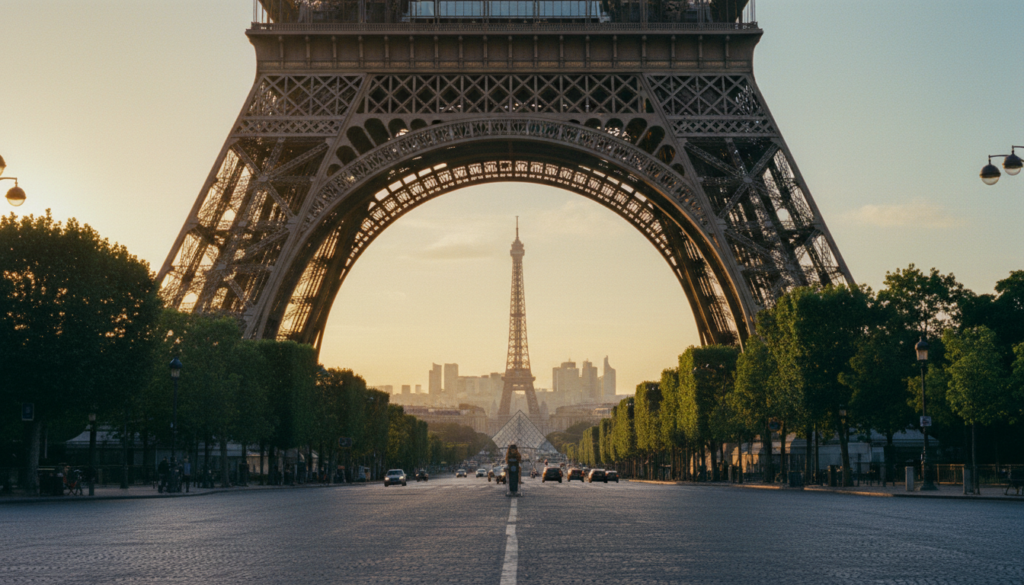
Knowing the number of attractions in Paris by category helps plan your visit. The city groups its cultural treasures into several categories. This makes it easier to see the sights. There are about 200-250 major sites that are key to the tourist experience.
Each category offers a unique look into Paris’s culture and history. You can see architectural wonders or artistic masterpieces. The number of landmarks shows why Paris is a top destination worldwide.
Iconic Structures That Define the Skyline
The major landmarks including the eiffel tower and arc de triomphe are Paris’s symbols. The Eiffel Tower, built for the 1889 Universal Exposition, is a must-see. Climbing its levels offers stunning views of the city.
The Arc de Triomphe is at the western end of the Champs-Élysées. Napoleon commissioned it in 1806 to honor French victories. Its rooftop offers another great view of the city.
Tour Montparnasse adds a modern touch to these historic sites. Together, they show the essence of eiffel tower and paris attractions that first impress visitors.
Artistic Treasures in Museum Collections
The world-famous museums like the louvre and musée d’orsay have incredible art collections. The Louvre is one of the world’s largest museums, welcoming over 10 million visitors. It houses famous works like the Mona Lisa and Venus de Milo.
The Musée d’Orsay is in a former rail station. It has the world’s best collection of Impressionist and Post-Impressionist art. You’ll see works by Monet, Renoir, Van Gogh, and Cézanne.
The Centre Georges-Pompidou focuses on modern art in a unique building. Its design is inside-out, with exposed pipes and escalators. The Musée Rodin and Musée Picasso also offer special collections.
- Louvre: 35,000+ works of art across 72,735 square meters
- Musée d’Orsay: Largest Impressionist collection globally
- Centre Georges-Pompidou: 20th-century modern art focus
- Musée Rodin: Sculpture gardens and studio recreations
- Musée Picasso: Over 5,000 works spanning the artist’s career
Medieval and Gothic Architectural Marvels
The historic monuments such as notre-dame and sainte-chapelle show Paris’s medieval past. Notre-Dame Cathedral is a Gothic masterpiece. It reopened after a 2019 fire.
Sainte-Chapelle is known for its stunning stained glass windows. This 13th-century chapel has 15 glass panels showing biblical scenes. The light through the windows creates a magical atmosphere.
The Conciergerie was once a royal palace and a revolutionary prison. Les Invalides has Napoleon’s tomb and military museums. The Panthéon honors France’s greatest citizens.
These paris sightseeing spots are key to understanding French history. Each monument shows different architectural styles and periods.
Opulent Residences of French Royalty
The royal palaces including versailles and palais royal show the lavish life of French monarchs. The Palace of Versailles is the most-visited palace in France. It has over 700 rooms with priceless art and furniture.
The palace gardens at Versailles are 800 hectares of beautifully kept landscapes. There are fountains, sculptures, and flower beds that create outdoor rooms. Exploring the gardens takes several hours.
Palais Royal is in central Paris with elegant arcades and peaceful gardens. Château de Fontainebleau is another royal residence outside the city. Both palaces show different architectural styles and historical periods.
The palace complex at Versailles gets over 10 million visitors a year. It’s best to book tickets in advance during peak season.
These attractions are the heart of any paris landmarks and attractions list. Knowing this helps plan your time across different experiences. Each category offers something unique, making Paris a place to discover again and again.
Museums and Galleries by the Numbers
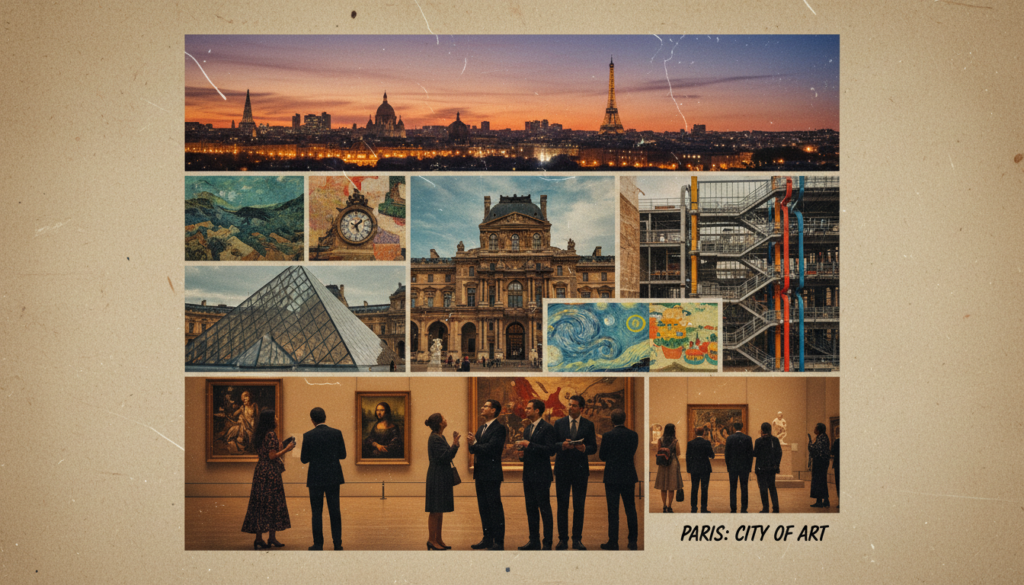
Paris is home to over 130 museums and galleries, showing its deep love for art and history. When you ask how many museums in Paris are there, the answer is more than just a number. It includes smaller collections, artist studios, and temporary venues that add to the city’s culture.
Knowing the different types of museums helps you plan your visit. You can see famous works or explore intimate house museums. Paris has something for everyone, making it a rich cultural experience.
National Museums Operated by the French Government
France’s government runs about 15 major national museums in Paris. These museums are among the most important in the country. The Louvre is a top museum, with art from ancient times to the mid-19th century.
The Musée d’Orsay is known for 19th-century art, in a beautiful old railway station. The Musée de l’Orangerie shows Monet’s famous Water Lilies in special rooms. The Centre Georges-Pompidou is a modern art museum with a unique design.
Other national museums include the Muséum national d’histoire naturelle and the Musée Rodin. Each museum focuses on a different area of art and history. They attract millions of visitors and help preserve France’s cultural treasures.
Learn more about these museums at this link.
City of Paris Municipal Museums with Free Entry
Paris has about 14 municipal museums that let you see their permanent collections for free. This makes art accessible to everyone, no matter their budget. The Musée Carnavalet tells the story of Paris through artifacts and paintings.
The Musée d’Art Moderne de Paris shows modern and contemporary art in a beautiful location. House museums like Victor Hugo’s home offer a glimpse into the lives of famous writers. The Musée de la Vie romantique recreates 19th-century artistic salons.
These city of Paris municipal museums with free entry are great for those watching their budget. Victor Hugo’s home in Place des Vosges and Balzac’s house offer unique insights into their lives.
“Paris is not a city; it’s a world.”
Private Galleries and Foundations Open to the Public
Paris has 50 to 70 private galleries that add to the city’s cultural scene. The Louis Vuitton Foundation, opened in 2014, features stunning contemporary art in a Frank Gehry building. It’s a must-see in the Bois de Boulogne.
The Musée Jacquemart-André shows an impressive private collection in a beautiful 19th-century mansion. Musée Marmottan Monet has over 300 Monet paintings, including “Impression, Sunrise.” The Fondation Cartier pour l’art contemporain presents cutting-edge exhibitions in a striking glass building.
Smaller galleries are found in trendy areas like the Marais and Saint-Germain-des-Prés. These private galleries and foundations open to the public often feature new artists and experimental works. They help make Paris a hub for contemporary art.
Temporary Exhibition Spaces and Pop-Up Art Venues
Paris has about 30 to 40 temporary venues at any time. These spaces host changing exhibitions, artist residencies, and installations. They add a fresh touch to the city’s museum scene.
Pop-up galleries pop up in unexpected places, like old industrial buildings or historic passages. Fashion houses sometimes open temporary spaces during Paris Fashion Week. Cultural institutions also create satellite venues to reach more people.
This dynamic group of temporary exhibition spaces and pop-up art venues keeps Paris’s cultural scene lively. Innovation districts like the 13th arrondissement are home to experimental art spaces. These venues challenge traditional museums and engage young people with interactive experiences.
| Museum Category | Number of Venues | Entry Cost | Notable Examples |
|---|---|---|---|
| National Museums | 15 major facilities | €12-€17 average | Louvre, Musée d’Orsay, Centre Pompidou |
| Municipal Museums | 14 institutions | Free permanent collections | Musée Carnavalet, Maison de Victor Hugo |
| Private Venues | 50-70 galleries | €8-€16 average | Louis Vuitton Foundation, Musée Jacquemart-André |
| Temporary Spaces | 30-40 active venues | Varies widely | Pop-up galleries, fashion week showrooms |
When you add up all the museums and galleries, Paris offers an unmatched cultural experience. The number of venues is over 130, but it’s even higher when you include smaller collections and temporary shows. This makes Paris a top destination for art and history lovers.
How Many Tourist Attractions Are There In Paris by Arrondissement
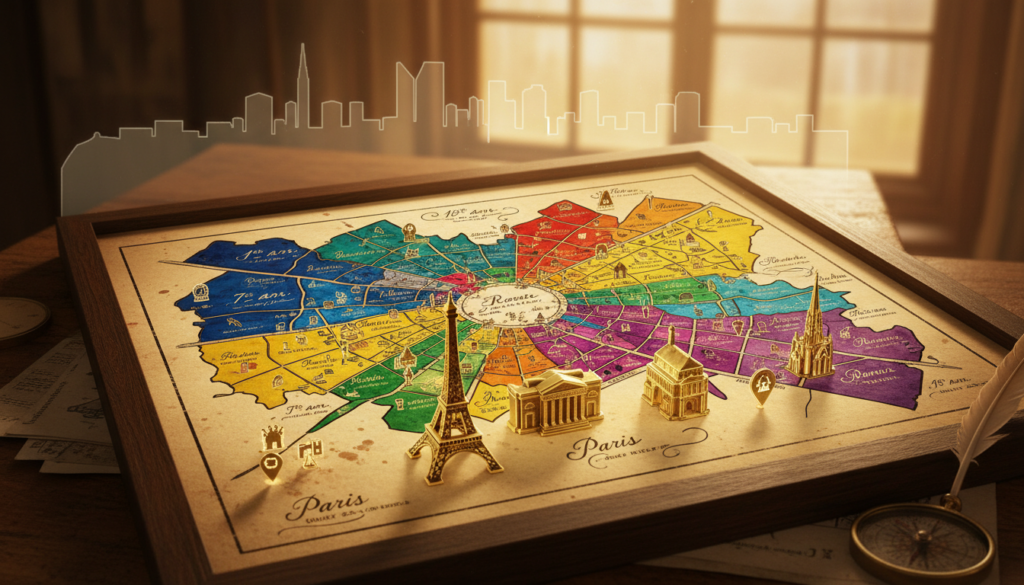
Paris’s 20 arrondissements are filled with attractions, showing interesting patterns. Knowing these patterns helps you plan better and find both famous spots and hidden gems. Each area has its own charm, from famous landmarks to cozy local spots.
When planning your trip, knowing where the most paris points of interest are helps. You’ll save time and see neighborhoods more deeply. The central areas have the most sites, while outer areas offer unique experiences away from the crowds.
Central Paris: The Historic Heart with Maximum Attraction Density
The 1st to 4th arrondissements are Paris’s historic core, packed with famous attractions. You’ll find around 80-100 major sites in this area. The 1st arrondissement alone has the Louvre Museum, Jardin des Tuileries, and Sainte-Chapelle.
The 4th arrondissement is the charming Marais district, known for culture and history. Here, you’ll find Notre-Dame Cathedral and the Place des Vosges. The 2nd and 3rd arrondissements offer covered passages and historic theaters.
This central area is the essential Paris experience for first-time visitors. Walking between attractions is quick, making it easy to see many sites in one day.
Left Bank to Champs-Élysées: Monumental Paris
The 5th to 8th arrondissements have about 70-90 significant paris sightseeing destinations. The 7th arrondissement is home to the Eiffel Tower and Les Invalides. You’ll also find the Musée d’Orsay and Musée Rodin.
The 5th arrondissement is the Latin Quarter, with the Panthéon and Jardin des Plantes. The 6th offers Luxembourg Gardens and Saint-Germain-des-Prés. The 8th arrondissement has the Arc de Triomphe and the Grand Palais.
These areas mix monumental landmarks with elegant neighborhoods. You’ll enjoy both famous sites and authentic Parisian life.
Opera to Bastille: Cultural Diversity and Local Character
The 9th to 12th arrondissements have about 40-50 major attractions. They offer a mix of local flavor and modern appeal. The 9th arrondissement has the Palais Garnier and Grands Boulevards district.
The 11th arrondissement is home to the Opéra Bastille. The 12th has the Bercy Arena and Bois de Vincennes park. The 10th arrondissement features the picturesque Canal Saint-Martin.
These districts offer a balanced view of Paris. You’ll find fewer tourists and more authentic experiences.
Beyond the Center: Authentic Experiences and Unexpected Discoveries
The outer arrondissements (13th through 20th) have hidden gems and local favourites. The 18th arrondissement is romantic Montmartre with Sacré-Cœur Basilica. The 19th has the Parc de la Villette and Cité des Sciences et de l’Industrie.
The 16th arrondissement has Palais de Chaillot and the Trocadéro viewpoint. It also has the Palais de Tokyo and various museums.
These outer districts offer authentic Parisian life. You’ll find local markets, bistros, and green spaces with fewer visitors.
| Arrondissement Group | Estimated Major Attractions | Key Highlights | Tourist Density |
|---|---|---|---|
| 1st-4th (Historic Center) | 80-100 sites | Louvre, Notre-Dame, Marais, Place des Vosges | Very High |
| 5th-8th (Left Bank & Champs-Élysées) | 70-90 sites | Eiffel Tower, Arc de Triomphe, Musée d’Orsay, Latin Quarter | High |
| 9th-12th (Opera & Bastille) | 40-50 sites | Palais Garnier, Opéra Bastille, Bois de Vincennes | Moderate |
| 13th-20th (Outer Districts) | 50-70 sites | Montmartre, Sacré-Cœur, La Villette, Palais de Tokyo | Low to Moderate |
Knowing where total tourist sites Paris are helps plan better. You can mix famous sites with local experiences. This way, you get the iconic Paris and the real Paris that locals know.
Free Attractions Adding to the Total Count
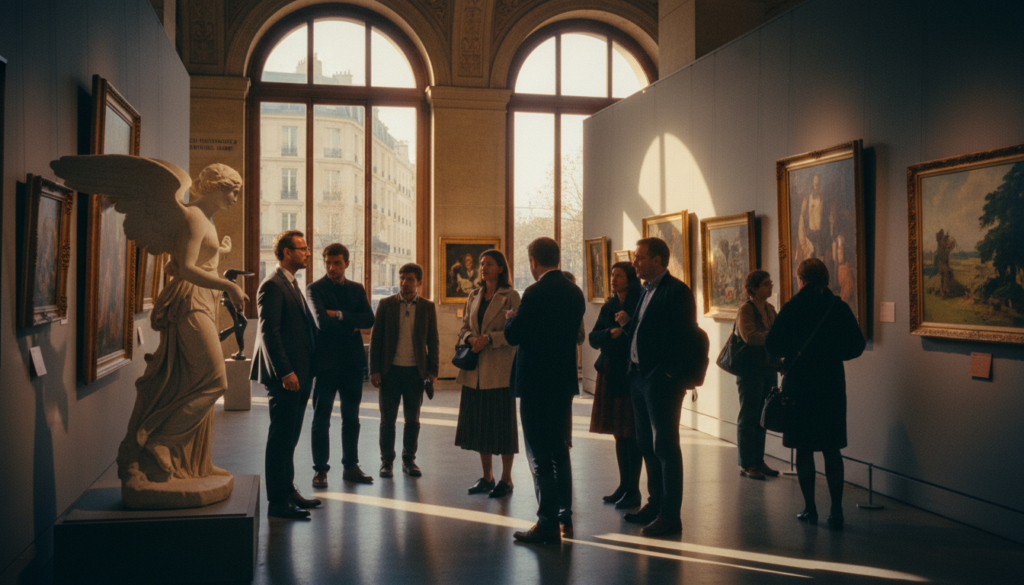
Paris has a secret: you can enjoy top-notch attractions without spending a euro. Free sites like parks, museums, churches, and public art add hundreds to the total count. These spots are perfect for those on a budget.
Free attractions add 700 to 800 sites to explore in Paris. This makes Paris affordable for everyone. You’ll find unforgettable experiences without paying a thing.
Peaceful Green Spaces Throughout the City
Paris has over 450 parks and gardens open all year for free. These green spaces range from small squares to big forests. The Luxembourg Garden is a favorite with its beautiful lawns and statues.
The Tuileries Garden links the Louvre to Place de la Concorde with lovely paths. Parc des Buttes-Chaumont has a cliff-top temple and waterfalls. Parc Monceau and Parc Montsouris offer unique landscapes.
The Bois de Boulogne and Bois de Vincennes have lakes and trails. They’re great for picnics. The Jardin des Plantes is a mix of gardens and natural history exhibits.
These parks are among the top free spots in Paris. They offer a peaceful escape from the city.
No-Cost Museum Collections Worth Exploring
About 14 municipal museums have free permanent collections. The Musée Carnavalet shows Paris’s history through artifacts and paintings. It takes you from ancient times to the French Revolution.
The Musée d’Art Moderne de Paris has contemporary art in a beautiful building. You can see works by Picasso and Matisse for free. The Maison de Victor Hugo is a must-see for literature fans.
The Maison de Balzac gives a peek into 19th-century literary life. These museums are free, making art and history accessible to all. They’re key to any Paris tourist list.
“The aim of art is to represent not the outward appearance of things, but their inward significance.”
Sacred Buildings Welcoming All Visitors
More than 200 churches and sacred buildings are open to visitors. Notre-Dame Cathedral and the Sacré-Cœur Basilica are must-sees. They offer stunning views and history.
La Madeleine and Saint-Sulpice are known for their architecture. Saint-Germain-des-Prés is Paris’s oldest church. These places are spiritually and architecturally significant.
Saint-Eustache and the Grand Mosque of Paris are also worth visiting. They showcase different architectural styles and offer a peaceful atmosphere. These sites are among the most spiritually and architecturally significant in Paris.
Public Spaces Filled with Art and Commerce
Paris is full of street markets, bridges, and public art. The Pont des Arts and Pont Alexandre III are famous. Pont Neuf is the oldest bridge in Paris.
The bouquinistes along the Seine sell vintage items. Street markets offer local flavors without a cost. They’re a great way to experience Paris.
- Marché d’Aligre – vibrant produce and antiques market in the 12th arrondissement
- Marché Bastille – extensive Sunday market with regional specialties
- Marché des Enfants Rouges – Paris’s oldest covered market dating to 1628
- Rue Mouffetard – medieval street transformed into daily market hub
Public art and sculptures are everywhere in Paris. They turn the city into an open-air gallery. These free attractions make exploring Paris affordable for everyone.
How Many Tourist Attractions Are There In Paris Compared to Other Cities
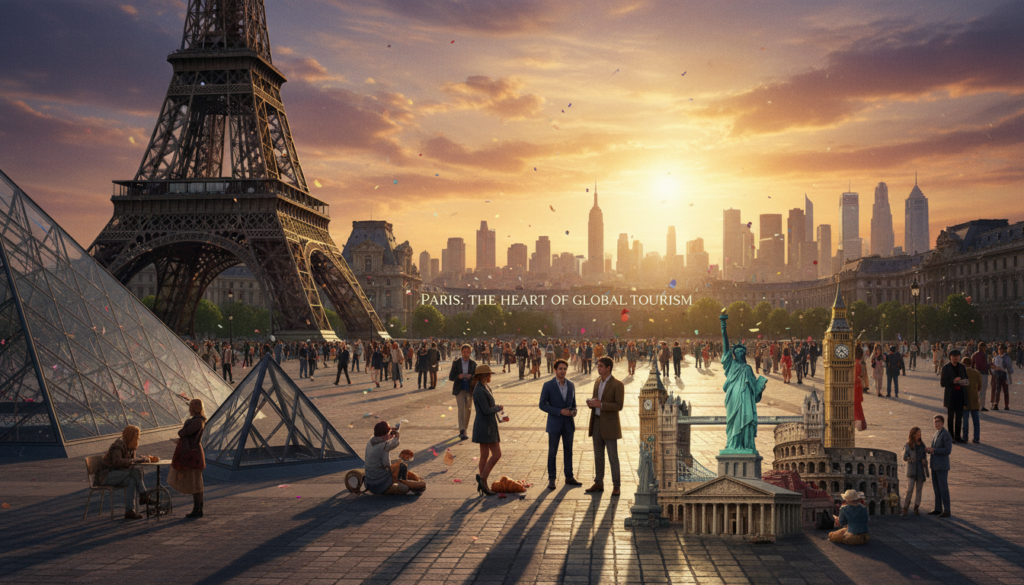
Paris is known for its rich culture, but how does it compare to London, Rome, and New York? It has around 30 million international visitors every year. This puts Paris in a league with the world’s top cities.
Looking at paris tourist sites, it’s not just about numbers. It’s about how many attractions you can see in a small area. How easy it is to get around also matters a lot.
Comparing Museums and Landmarks with London
Paris and London have a similar number of museums and landmarks. London has about 200 museums and over 850 listed buildings. Paris has over 130 museums and more than 180 historic monuments.
Paris is special because its famous museums are close together. London’s attractions are spread out, making travel time longer.
Even though both cities have a lot to see, Paris is more packed. This means you can see more in less time, making your trip more fun.
Historic Monuments Versus Ancient Rome
Rome has more ancient monuments than Paris. Rome has about 300 major ancient monuments. The Colosseum and Roman Forum are among Rome’s highlights.
Paris is known for its medieval and modern buildings. Notre-Dame and the Palace of Versailles are some of Paris’s top sights.
Rome is great for ancient history fans. Paris is better for those who love medieval and modern history. Both cities are recognized by UNESCO for their heritage.
Cultural Venues Against New York’s Entertainment Scene
New York has more museums and entertainment venues than Paris. New York has over 150 museums and many places to see shows. The city’s Broadway and jazz clubs are famous worldwide.
Paris has about 200 theaters but they are closer together. Paris focuses on smaller, historic venues. This makes it easier to explore.
“Paris has a way of making you feel like every street corner holds a story, every café a piece of living history.”
New York is big and you need to travel a lot to see things. Paris is smaller and you can walk to most attractions. This saves you time and lets you enjoy more.
What Makes Paris the World’s Top Destination
Paris is the most visited city for many reasons. It has over 500 major attractions in a small area. This makes it easy to see a lot in a short time.
Paris is also known for its great public transport. The Eiffel Tower and museums are famous all over the world. They attract visitors from everywhere.
Paris has a special charm that can’t be measured. Walking by the Seine, enjoying cafes, and trying great food are unforgettable experiences. This mix of old and new makes Paris the top city for visitors.
| City | Major Museums | Historic Monuments | Annual International Visitors | UNESCO Sites |
|---|---|---|---|---|
| Paris | 130+ | 180+ designated | 30 million | Seine riverbanks, Versailles |
| London | 200+ | 850+ listed buildings | 19 million | Tower of London, Westminster |
| Rome | 80+ | 300+ ancient sites | 10 million | Historic Centre, Vatican City |
| New York | 150+ | 100+ landmarks | 13 million | Statue of Liberty |
Paris is special because of its easy-to-get-around layout and many attractions. Whether it’s museums, history, or just the vibe, Paris is the best place to visit.
Seasonal and Temporary Attractions That Increase the Total
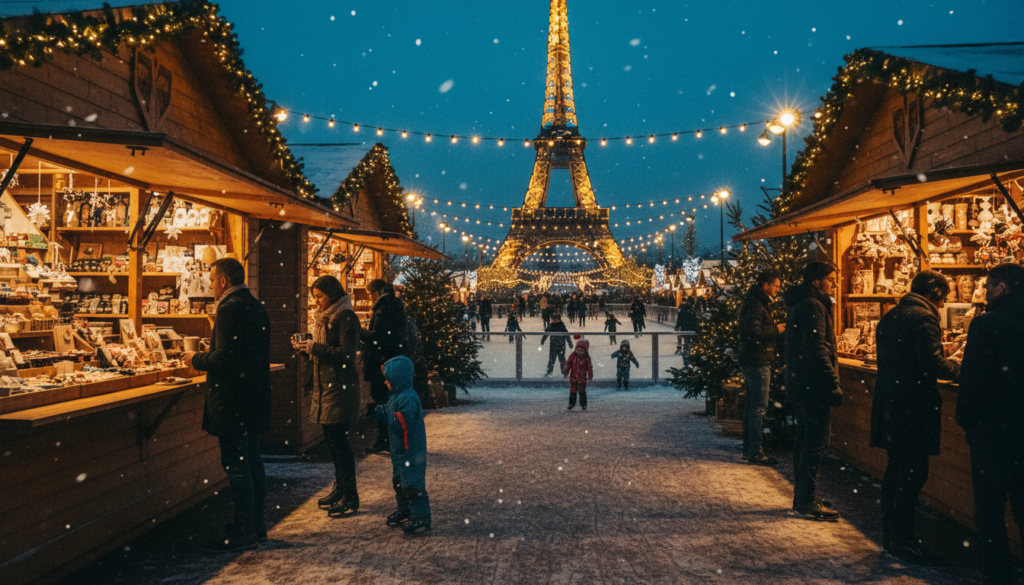
Paris’s cultural scene gets a boost from seasonal and temporary attractions. These events add new reasons to visit the city all year round. From winter markets to summer festivals, they bring 200-300 additional attractions to the mix.
Knowing when these events happen helps plan your trip. Paris’s calendar of temporary exhibitions and cultural happenings keeps the city lively and unpredictable.
Festive Markets and Winter Illuminations
Paris turns into a winter wonderland from late November to early January. It hosts 20-30 festive markets across different areas, each with unique goods and treats. The Champs-Élysées lights up with spectacular displays, attracting millions.
Department stores like Galeries Lafayette and Printemps decorate their windows with elaborate displays. These displays tell stories through animation and design. Ice skating rinks pop up at iconic spots, including the Eiffel Tower.
Holiday-themed exhibitions in museums add cultural depth to the season. These seasonal elements create over 50 additional attractions in winter. Many are free, making them great additions to your trip.
All-Night Cultural Celebrations
Nuit Blanche and Nuit des Musées are special nights that multiply Paris’s cultural venues. Nuit Blanche, in October, opens hundreds of galleries and installations all night. It turns unexpected places into art spaces with free admission to all.
Nuit des Musées, in May, gives free access to over 100 museums with special programs. It offers extended hours, live performances, and guided tours. These nights add 200+ temporary attraction opportunities each year.
Paris becomes a living museum during Nuit Blanche, where the entire city transforms into an open-air gallery showcasing contemporary creativity in the most unexpected places.
Both events let you explore spaces usually closed to the public. The programming changes each year, offering unique experiences. These cultural celebrations significantly impact the total tourist destinations Paris offers during these nights.
Fashion Capital Temporary Showcases
Fashion week showrooms and pop-up exhibitions happen twice a year, in February-March and September-October. They create 30-40 temporary exhibition spaces across the city. Designer showrooms, fashion installations, and industry showcases highlight Paris’s fashion status.
While some venues are exclusive, many pop-up exhibitions welcome the public. Fashion museums and galleries often have special exhibitions during Fashion Week. Flagship stores along Avenue Montaigne and Rue Saint-Honoré host special presentations and window installations.
These temporary spaces significantly expand Paris’s cultural landscape during fashion season. Even if you’re not attending runway shows, the city’s fashion energy is palpable through these accessible installations. Your visit during this period means experiencing cool attractions in Paris that don’t exist at other times of year.
Warm-Weather Festivals and Outdoor Experiences
Summer festivals and open-air cultural events add 100+ temporary attractions from June to September. Paris-Plages turns Seine riverbanks into sandy beaches with palm trees and activities from mid-July to mid-August. This beloved tradition creates multiple beach zones across several kilometers.
Fête de la Musique on June 21 features free concerts across the city. Musicians of all genres perform, creating a citywide celebration of sound. Outdoor cinema screenings appear in parks like Parc de la Villette, showing classic films under the stars.
Open-air concerts and theater performances use historic venues and public spaces. Food festivals celebrate French and international cuisines. Neighborhood celebrations highlight local culture and community traditions.
| Seasonal Period | Major Events | Additional Attractions | Best For |
|---|---|---|---|
| Winter (Nov-Jan) | Christmas Markets, Holiday Lights | 50+ festive venues | Holiday atmosphere and winter magic |
| Spring (Apr-May) | Nuit des Musées, Paris Marathon | 100+ cultural events | Museum access and sporting spectacles |
| Summer (Jun-Sep) | Paris-Plages, Fête de la Musique | 100+ outdoor experiences | Open-air entertainment and festivals |
| Fall (Oct-Nov) | Nuit Blanche, Fashion Week | 70+ contemporary exhibitions | Contemporary art and fashion culture |
Major sporting events also function as temporary attractions. The Tour de France concludes at the Arc de Triomphe each July, drawing massive crowds. Bastille Day on July 14 features a military parade down the Champs-Élysées followed by spectacular fireworks at the Eiffel Tower.
Cultural festivals like Dîner en Blanc create unique dining experiences in secret locations throughout the city. Solidays music festival and the Paris Air Show add specialized attractions during summer months. These events ensure the paris famous attractions total number remains dynamic rather than static.
When you account for all seasonal and temporary attractions across the calendar year, Paris’s total attraction count increases substantially. These rotating experiences mean that no two visits to Paris are ever identical, even if you’ve explored the permanent landmarks before. The city’s ability to reinvent itself seasonally keeps it perpetually fresh and engaging for both first-time visitors and returning travelers.
How to Navigate So Many Attractions in Paris
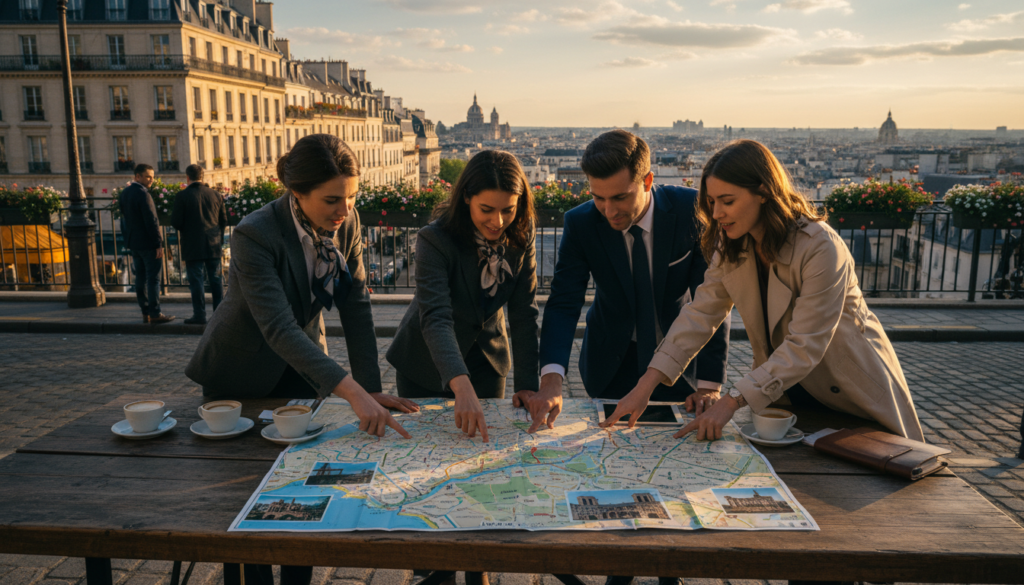
Paris has hundreds of attractions, making planning key to a great trip. The city’s landmarks are many, so picking what to see is crucial. Knowing how to plan your time can turn a stressful trip into an exciting adventure.
Visitors can plan in many ways, depending on their style and time. Some like a structured plan, while others prefer to explore freely. The goal is to see Paris’s famous sights and also find new places to discover.
Maximize Your Time with a Museum Pass
A Paris Museum Pass is a smart choice for your trip. It gives you access to over 50 museums and monuments without long waits. This saves you time and money.
The pass comes in 2-day, 4-day, and 6-day versions. Each lets you visit attractions without limits for consecutive days. You’ll see big places like the Louvre and Versailles Palace, plus many smaller museums.
The 4-day pass is usually the best value. It lets you visit 8-12 major sites without rushing. You’ll save time and money, especially during busy times.
Organize Your Days by Neighborhood
Planning by neighborhood saves time and makes your trip better. Paris has 20 arrondissements that make walking easy. Grouping sites together makes your days more efficient.
For example, spend a day in the 1st and 4th arrondissements. Visit the Louvre, stroll through Tuileries Garden, and see Notre-Dame. Then, explore Le Marais. All are close by.
Another day, visit the 7th and 8th arrondissements. Start at the Eiffel Tower, then Les Invalides, and end at the Arc de Triomphe. This way, you see more without wasting time.
Don’t forget the outer arrondissements like the 18th (Montmartre) and 11th (Belleville). They offer unique experiences and can fill a day without feeling rushed.
Focus on Essential Experiences for Short Visits
On a short visit, choose your top attractions carefully. Trying to see everything exhausts you. Pick 8-10 essential attractions that match your interests.
For first-timers, the top list includes:
- Eiffel Tower (ascend for city views)
- Louvre Museum (focus on specific galleries)
- Versailles Palace (requires half-day minimum)
- Notre-Dame Cathedral (exterior viewing currently)
- Montmartre and Sacré-Cœur Basilica
- Seine River cruise (evening recommended)
- Musée d’Orsay (Impressionist masterpieces)
- Arc de Triomphe (sunset timing ideal)
- Luxembourg Gardens (relaxation break)
- Latin Quarter neighborhood (dining and atmosphere)
Quality is more important than quantity. Spend time fully enjoying attractions like the Musée d’Orsay. Rushing through many sites leaves you with shallow memories.
| Visit Duration | Recommended Attractions | Planning Strategy | Museum Pass Value |
|---|---|---|---|
| 2-3 Days | 6-8 top landmarks | Focus on iconic sites in central arrondissements | 2-day pass if visiting 4+ pass sites |
| 4-5 Days | 12-15 attractions | Mix major sites with neighborhood exploration | 4-day pass highly recommended |
| 6-7 Days | 18-25 attractions | Include day trips and lesser-known museums | 6-day pass maximizes savings |
| Week or More | 30+ experiences | Dedicate full days to specific districts | Multiple passes or à la carte selections |
Venture Beyond the Typical Tourist Path
Exploring off-the-beaten-path attractions gives you authentic experiences and fewer crowds. Spend 20-30% of your time on these hidden gems. They offer unique moments and a chance to connect with local culture.
The Musée Rodin’s gardens are a peaceful spot for sculpture viewing. It’s a place most tourists miss. The museum itself has fewer visitors than the Louvre but houses world-class art.
Canal Saint-Martin in the 10th arrondissement offers a hip vibe. Enjoy waterside cafés, boutiques, and local picnics. It’s a place where locals and tourists can enjoy the Parisian lifestyle together.
Other hidden gems include:
- Belleville neighborhood (bohemian streets, street art, immigrant culture)
- La Promenade Plantée (elevated park on old railway viaducts, pre-dating NYC’s High Line)
- Covered passages (19th-century shopping arcades with glass roofs)
- Père Lachaise Cemetery (artistic gravesites of famous figures)
- Shakespeare and Company bookstore (literary landmark with English books)
- Parc des Buttes-Chaumont (dramatic park with cliffs and waterfalls)
- The Catacombs (underground ossuary with historical significance)
These spots add depth to your Paris experience. They show the city’s history, culture, and daily life beyond famous landmarks. Many are free or low-cost, making them great additions to your trip.
Mixing famous sites with hidden gems makes your visit balanced and fulfilling. You’ll have iconic photos and stories, plus unique discoveries that reflect your personal journey. This approach also prevents museum fatigue by mixing cultural sites with neighborhood explorations.
Final Tips for Exploring the Many Tourist Attractions in Paris
Paris is filled with over 130 museums, more than 180 historic monuments, and countless parks. The complete paris attractions guide shows there are many places to see. But, it’s better to focus on a few quality spots rather than trying to see everything.
Buy tickets in advance for popular spots like the Eiffel Tower and Louvre. This can save you from waiting 2-4 hours. Try to visit during early morning or late afternoon to avoid big crowds.
Look for free entry options in Paris. Many city museums have free permanent collection access. Also, the first Sunday of some months offers free entry to national museums, making your trip more affordable.
Make sure to mix famous spots with exploring local areas. Visit big attractions in the morning when you’re full of energy. Then, spend afternoons wandering through neighborhoods and finding hidden gems.
Paris has so many attractions that you can’t see them all in one visit. With 30 million visitors each year, many people come back again and again. It’s okay if you can’t see everything on your first trip.
Save some time for unexpected finds during your trip. Paris’s magic often shows up in unplanned moments. Your own way of exploring Paris will make your trip unforgettable until you return.
FAQ
How many tourist attractions are there in Paris total?
Paris has over 500 official tourist spots. But, when you count smaller galleries and historic buildings, the number goes up to thousands. The city boasts over 130 museums and galleries, more than 180 historic monuments, and hundreds of churches and parks.
Adding free attractions like green spaces, churches, and street markets, Paris has over 1,000 sites to explore.
Which arrondissements in Paris have the most tourist attractions?
The 1st to 4th arrondissements are the heart of Paris. They have around 80-100 major attractions. The 1st arrondissement is home to the Louvre and Tuileries Garden.
The 4th arrondissement has the Marais neighborhood and Place des Vosges. The 5th to 8th arrondissements have about 70-90 attractions, including the Eiffel Tower and Latin Quarter.
How many museums in Paris offer free admission?
About 14 City of Paris museums have free entry to their permanent collections all year. This includes the Musée Carnavalet and Musée d’Art Moderne de Paris.
Many national museums also offer free entry on the first Sunday of each month. With free churches, parks, and public art, Paris has over 700-800 free attractions.
What are the major landmark attractions in Paris?
Paris’s landmarks include the Eiffel Tower and Arc de Triomphe. Notre-Dame Cathedral and Sainte-Chapelle are also famous. The Louvre and Versailles are iconic.
These major attractions account for about 200-250 sites. They draw the biggest crowds in the city.
How many national museums are there in Paris?
Paris has around 15 major national museums. The Louvre and Musée d’Orsay are among them. The Centre Georges-Pompidou and specialized museums like the Musée de l’Orangerie are also part of this group.
These museums are the most visited and renowned in Paris. They are complemented by City of Paris museums and private galleries.
How does Paris compare to London in total number of attractions?
Paris and London have over 130 major museums each. Paris has a higher concentration of famous museums in a smaller area. London’s attractions spread over a larger area.
London has more museums and listed buildings. Paris has more historic monuments and protected buildings. Both cities offer similar numbers but with different focuses.
What free parks and gardens can I visit in Paris?
Paris has over 450 green spaces open all year for free. The Luxembourg Garden and Tuileries Garden are beautiful. The Bois de Boulogne and Bois de Vincennes offer vast natural areas.
Smaller gems include Parc des Buttes-Chaumont and Parc Monceau. The Parc de la Villette is known for its modern installations.
What seasonal attractions increase Paris’s total count?
Paris’s attraction count grows during certain seasons. Christmas markets and holiday lights add 20-30 attractions from late November to early January. Nuit Blanche and Nuit des Musées in October and May add 200+ attractions for one night.
Fashion Week in spring and fall adds 30-40 temporary exhibitions. Summer festivals from June to September add 100+ attractions, including Paris-Plages and outdoor cinema.
Should I buy a Paris Museum Pass to visit multiple attractions?
A Paris Museum Pass is a smart choice for culture lovers. It grants skip-the-line access to over 50 top museums and monuments. It can save you money and time.
If you plan to visit at least 4-5 major attractions, the pass is a good value.
What are the must-see attractions for a short Paris visit?
For a 2-3 day visit, focus on 8-10 essential experiences. Must-sees include the Eiffel Tower and Louvre. Don’t miss Montmartre and a Seine River cruise.
Choose quality experiences over quantity. You can’t see everything in a short time.
How many churches and sacred sites can I visit for free in Paris?
Paris has 200+ churches and sacred sites open for free. World-famous sites include Notre-Dame and Sacré-Cœur Basilica. Smaller gems include Saint-Julien-le-Pauvre and Saint-Sulpice.
These sites offer spiritual experiences and showcase remarkable architecture and art at no cost.
What hidden gems and lesser-known attractions should I discover in Paris?
Paris has many hidden gems beyond the tourist trail. Explore the Musée Rodin and Canal Saint-Martin. Belleville and Père Lachaise Cemetery offer authentic experiences.
These areas provide a glimpse into modern Parisian life and culture.
How should I plan my itinerary to see multiple Paris attractions efficiently?
Plan your itinerary by arrondissement and proximity. Group nearby attractions together. Spend one day in the 1st and 4th arrondissements to see the Louvre and Notre-Dame.
Another day for the Eiffel Tower and Arc de Triomphe. Montmartre in the 18th arrondissement is a must-see.
What are Nuit Blanche and Nuit des Musées in Paris?
Nuit Blanche and Nuit des Musées are two special events in Paris. Nuit Blanche in October opens hundreds of galleries and installations for free. Nuit des Musées in May offers free access to over 100 museums.
These events add 200+ temporary attractions for one night. They offer unique experiences in Paris’s cultural scene.
How many historic monuments are officially designated in Paris?
Paris has over 180 officially designated historic monuments. These include Notre-Dame Cathedral and Sainte-Chapelle. Les Invalides and Conciergerie are also part of this list.
With thousands of additional protected buildings, Paris’s historic architecture count is much higher.
What street markets and public installations can I visit for free in Paris?
Paris offers many free street markets and public art installations. The Pont des Arts and Pont Alexandre III are beautiful Seine crossings. The bouquinistes have sold books and souvenirs along the Seine for centuries.
Street markets like Marché d’Aligre and public sculptures add to your sightseeing experience without cost.