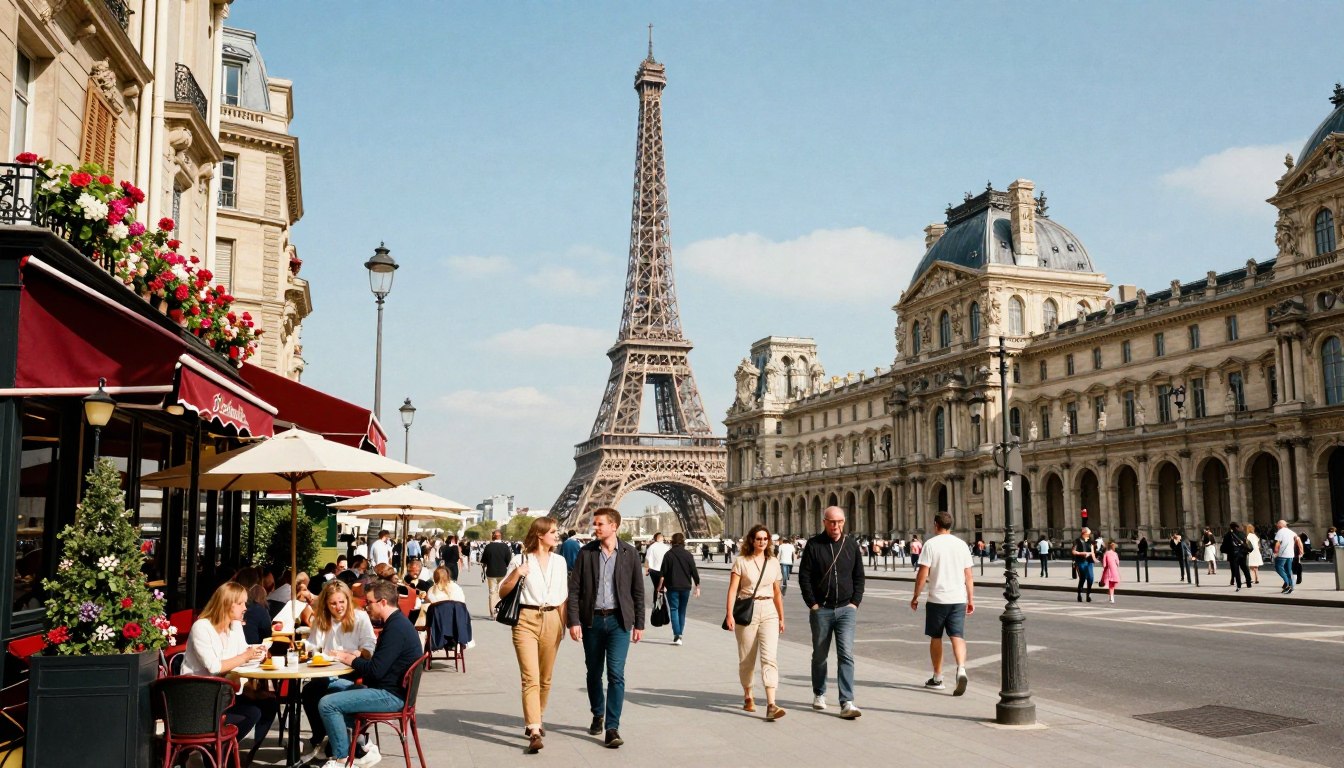
What if the most memorable part of your trip to the City of Light isn’t on any top list at all?
I spent last Christmas wandering those magical streets, and Audrey Hepburn was absolutely right—Paris is always a good idea. It never gets old. This guide is my personal list of incredible things to do, born from actual visits and chats with locals.
We’ll cover the iconic spots everyone knows, like the Eiffel Tower. But we’ll also dive into the secret corners most visitors miss. The real magic often happens when you leave room for serendipity.
My biggest tip? Don’t pack your schedule too tight. Paris truly rewards those who take time to just be—to sit at a café and watch the world go by. Whether you love world-class art or charming neighborhoods, this guide helps you find what speaks to you.
Key Takeaways
- Discover a mix of famous landmarks and hidden local gems.
- Learn why a less-structured itinerary leads to a more authentic experience.
- Get practical advice on tickets and transportation from firsthand experience.
- Find recommendations for cozy hotels and ways to save money.
- Understand that Paris offers unique layers of discovery for every visitor.
Introduction to Paris: A Local’s Insight
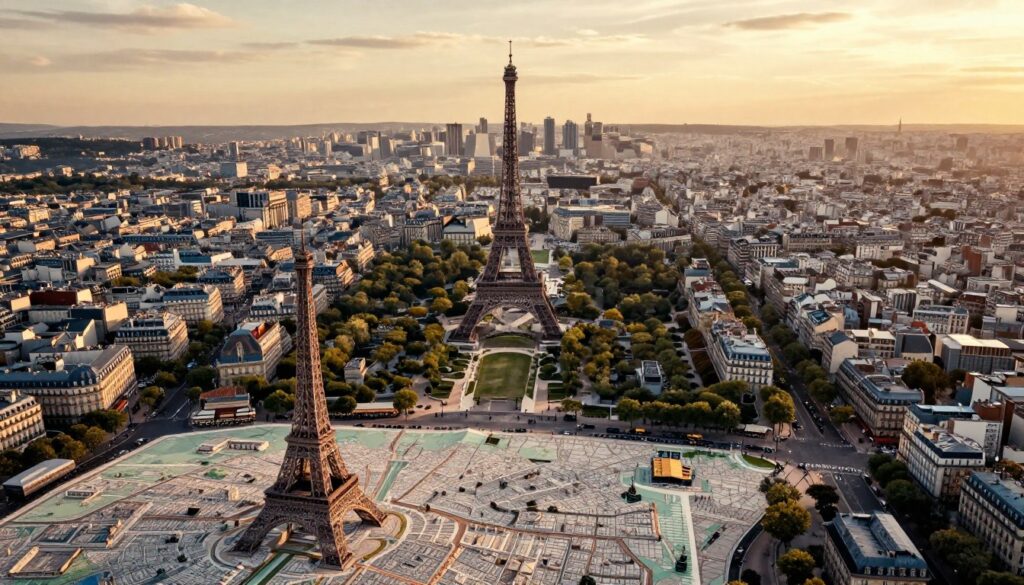
The layout of Paris is much more walkable than most visitors expect. I learned this the hard way when I first tried to navigate the city years ago.
Paris earned its famous nickname “City of Light” for a practical reason. It was Europe’s first city to install gas street lighting back in the 19th century. This innovation literally made it a beacon of progress.
The city is divided into arrondissements that spiral outward like a snail shell. Don’t let the numbers fool you—the 10th arrondissement is an easy stroll to the 1st where the Louvre awaits.
| Starting Arrondissement | Destination | Approximate Walk Time |
|---|---|---|
| 10th (Canal St-Martin) | 1st (Louvre Museum) | 25 minutes |
| 5th (Latin Quarter) | 4th (Notre-Dame) | 15 minutes |
| 18th (Montmartre) | 9th (Opéra Garnier) | 30 minutes |
“The real magic happens when you leave room for serendipity—finding that perfect café or hidden courtyard that takes your breath away.”
Understanding this compact layout helps you plan your time wisely. Many world-famous sites are closer together than you’d imagine.
I always recommend blending scheduled visits with spontaneous wandering. This city reveals its soul when you’re not rushing. Chatting with locals—from café owners to guides—has transformed my understanding of this incredible place.
The best way to experience Paris is to embrace both the planned and unplanned. Leave space for those magical moments of discovery that make each visit unique.
Top Must-See: Best Tourist Attractions in Paris
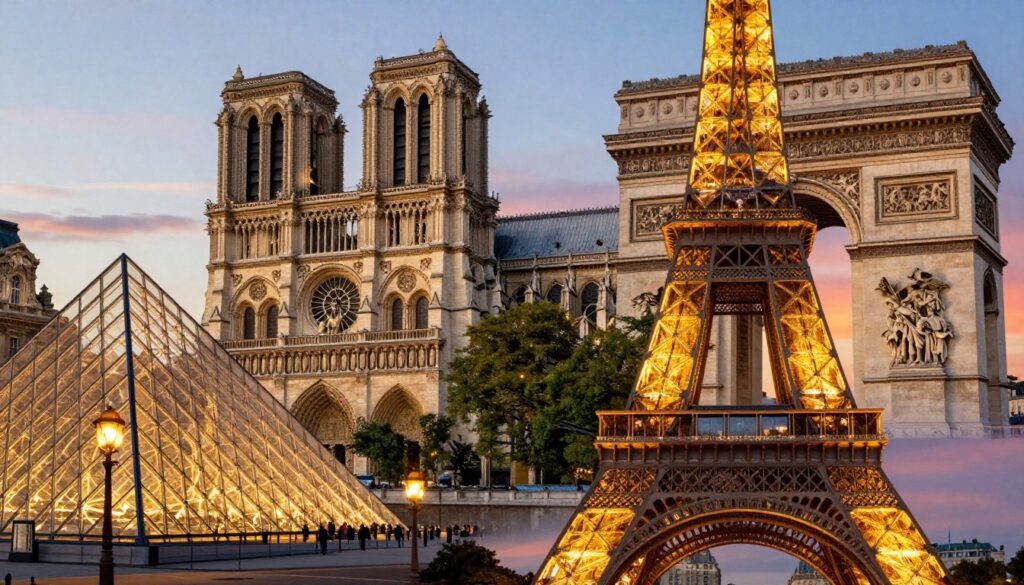
Creating your perfect Paris adventure starts with knowing which spots deliver genuine magic. I’ve put together this list based on my own visits—places that consistently leave me in awe.
This isn’t just another generic top ten. Each entry here has been personally vetted for that wow factor. Whether you love art, history, or authentic local vibes, you’ll find things that match your style.
| Experience Type | Must-See Spot | Why It’s Special | Time Needed |
|---|---|---|---|
| Iconic Landmark | Eiffel Tower | Breathtaking city views | 2-3 hours |
| Art Immersion | Louvre Museum | World’s largest art collection | Half day |
| Historic Charm | Notre-Dame | Gothic architecture masterpiece | 1-2 hours |
| Bohemian Vibe | Montmartre | Artists’ village atmosphere | 2-3 hours |
“Paris is the only city in the world where starving to death is considered an art.” — Carlos Ruiz Zafón
Your ideal list will depend on what moves you. Some visitors prioritize the famous attractions, while others find joy in quieter neighborhoods.
Use this as a starting point, then customize based on your interests. The goal is to create an itinerary that feels uniquely yours.
Iconic Eiffel Tower Experience
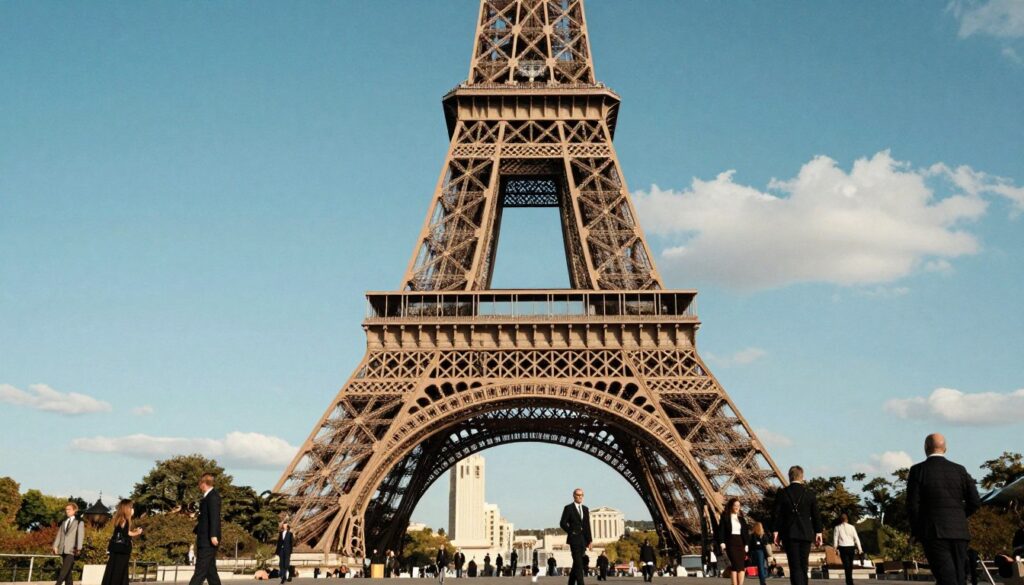
What many visitors don’t realize about the Eiffel Tower is that it was almost torn down after the 1889 World’s Fair. This engineering marvel was only meant to stand for 20 years! Now it’s been dominating the Paris skyline for over 130 years.
The tower stands 330 meters tall with three distinct levels for visitors. I’ve learned that skipping the long lines is crucial—always book timed tickets in advance. The climb up 674 stairs gives you a real appreciation for the intricate iron design.
Here’s my secret: the second floor restaurant offers breathtaking views without the top-level crowds. I once enjoyed champagne there as the sunset painted Paris gold. The night views are equally magical when the tower sparkles against the dark sky.
Fun history fact: famous artists initially hated the structure! Guy de Maupassant supposedly ate lunch in the tower’s restaurant daily because it was the only place he couldn’t see the tower. The base rests on massive foundations extending 22 meters deep to support this iron giant.
For the perfect photo, head to Trocadéro Gardens across the river. Sunrise offers fewer crowds and stunning light. Remember that commercial use of night photos is technically illegal due to copyright on the light display—though millions of visitors snap them anyway!
Art & History at the Louvre Museum
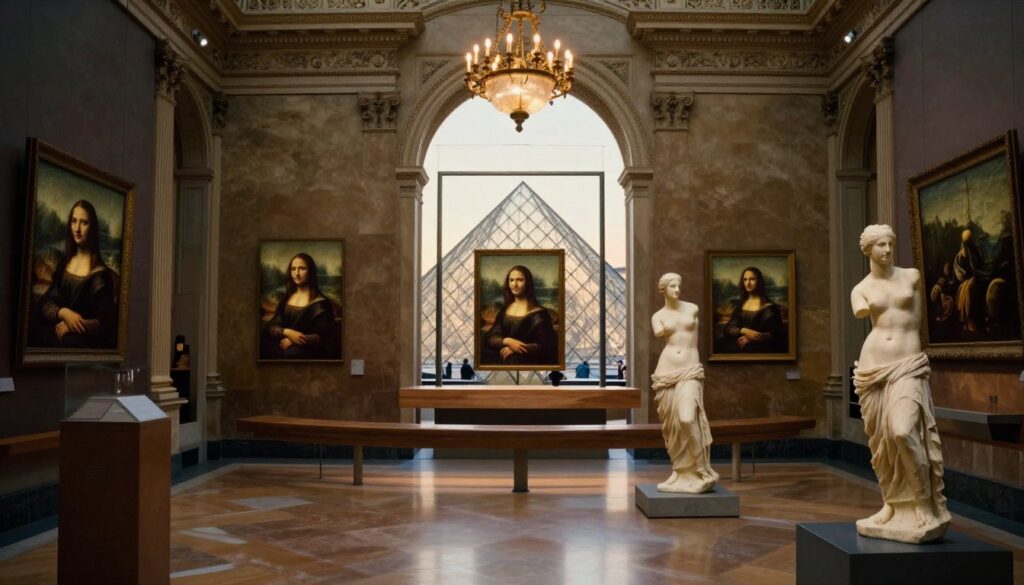
My first Louvre visit taught me that this museum demands a strategy beyond just showing up. This incredible world-class institution houses a collection so vast you could spend days exploring.
Let me be honest about the Mona Lisa—that famous painting is smaller than you imagine and always crowded. The real magic lies in the Egyptian antiquities and Renaissance sculptures that most visitors rush past.
I strongly recommend booking a timed entry ticket to avoid wasting an hour in line. Better yet, consider a private guide who can tailor your experience to what you love.
| Visit Style | Best For | Time Investment | Key Benefit |
|---|---|---|---|
| Guided Tour | First-time visitors | 2-3 hours | Expert navigation & insights |
| Independent Visit | Repeat explorers | Half day+ | Personal pace & discovery |
The palace itself is a work of art, with halls that transport you through centuries. I learned more from my guide about the building’s history than I ever would have alone.
Pro tip: Late afternoon slots tend to be quieter. This gives you space to truly appreciate the world‘s greatest art collection without the morning rush.
Historic Notre-Dame Cathedral Insights
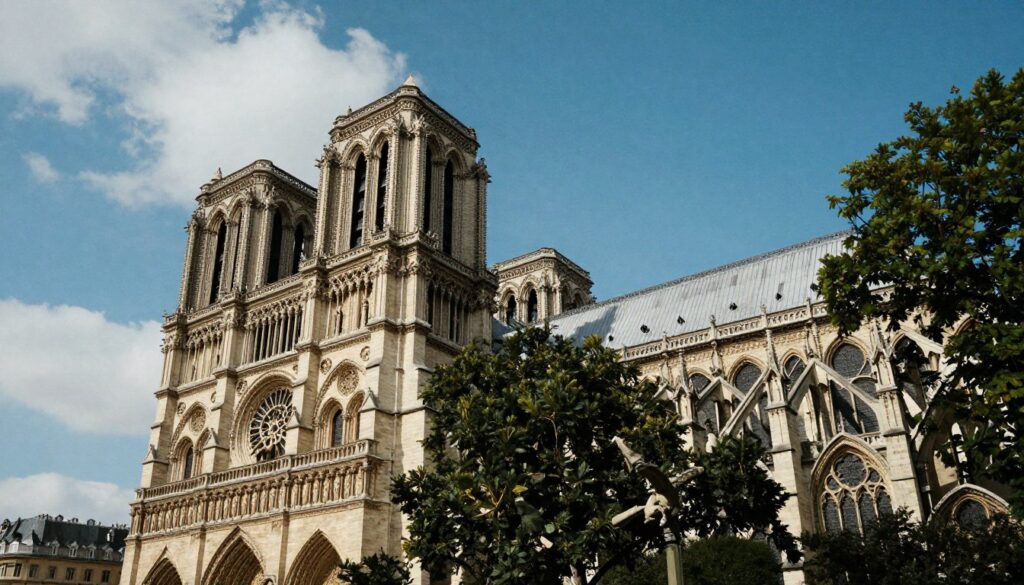
Walking into Notre-Dame after its restoration felt like reuniting with an old friend I thought I’d lost. When it reopened in December 2024, the cathedral stood cleaner and more stunning than ever on the River Seine banks.
This medieval masterpiece dates back to the 1200s—nearly 800 years of French history. The Gothic architecture features intricate carvings and famous gargoyles that have witnessed everything, including surviving the French Revolution.
You can now wander inside for free to light a candle or simply sit quietly. The towers aren’t open yet, but being able to step inside again after all these years feels incredibly special.
For deeper insights, the Go City Pass includes a fascinating tour of the exterior and crypt. Guides share secrets about the architecture and the history buried beneath this iconic Notre-Dame cathedral.
The resilience of this place truly mirrors Paris itself—a phoenix rising from ashes, ready to inspire generations to come.
Vibrant Montmartre: Bohemian Charm
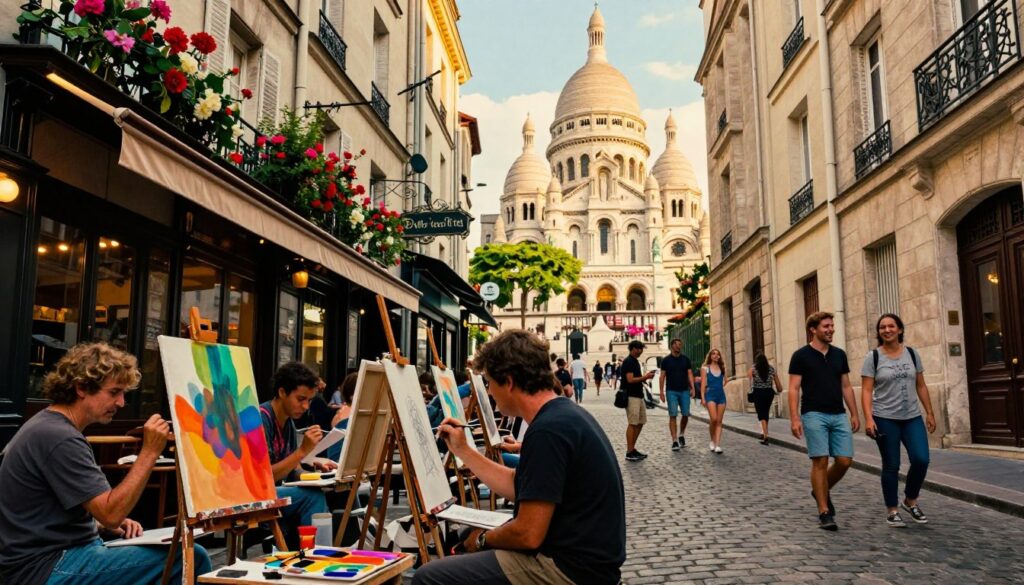
Climbing the hill to Montmartre feels like entering a different world—one where time moves slower and creativity fills the air. This place in the 18th arrondissement has been my favorite Paris neighborhood since my first visit years ago.
The winding cobblestone streets still buzz with the energy of legendary artists like Picasso and Van Gogh. Today, modern artists and musicians gather at Place du Tertre, keeping that bohemian spirit alive. You’ll see them sketching portraits and playing music just steps from where masters once worked.
Sacré-Cœur Basilica crowns the hilltop with stunning white domes. The steps below are perfect for people-watching while enjoying panoramic views. Sunset here is particularly magical as the city lights begin to twinkle below.
Beyond the main squares, discover intimate cafés and quirky shops. These hidden corners reveal Montmartre’s authentic character away from the crowds. I love sipping café au lait at sidewalk bistros where locals gather.
For a deeper experience, I highly recommend a tasting tour. This walking tour visits eight stops sampling pastries, wine, and cheese while sharing fascinating history.
| Tour Feature | Experience | Duration |
|---|---|---|
| Food Tastings | Local cheeses & pastries | 3 hours |
| Historical Sites | Windmills & vineyards | Included |
| Guided Insights | Artist history & local lore | Throughout |
The tour reveals how this place was once a separate village with its own vineyards. This history adds layers to the artistic reputation that defines Montmartre today. Wandering these sweet streets offers endless opportunities for discovery.
Romantic Seine River Cruise Delights
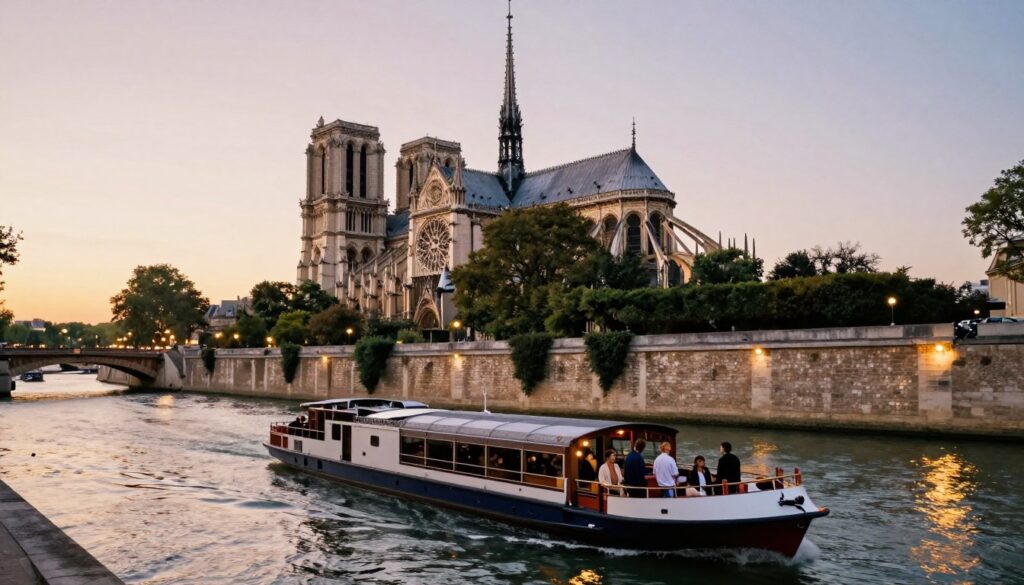
I discovered one of my favorite Paris experiences quite by accident on a chilly Christmas Day cruise. That lunchtime journey along the water showed me a completely different side of the city’s beauty. It became the perfect rest day activity when my feet needed a break from walking.
Seeing Paris from the river offers a perspective you simply can’t get from the streets. It’s a magical way to appreciate the architecture while gliding peacefully past iconic landmarks. The gentle boat rhythm creates moments of pure tranquility.
You board right in front of the Eiffel Tower for a spectacular start. The one-hour tour passes Notre-Dame Cathedral and Musée d’Orsay beneath romantic bridges. If you’re using a city pass, your ticket is often included—definitely worth considering for saving time and money.
You don’t need to commit to a full meal cruise unless you want that extra special experience. Daytime voyages are wonderful for photos, while evening Seine River cruise options offer champagne tastings as the city lights up. The Eiffel Tower’s hourly sparkle show becomes even more magical from the water.
This is the perfect way to let Paris come to you when you need a relaxing day. You can just sit back and enjoy the scenery without rushing between monuments. The tour reveals architectural details and vantage points you’d never notice from land.
Captivating Musée d’Orsay & Art Treasures
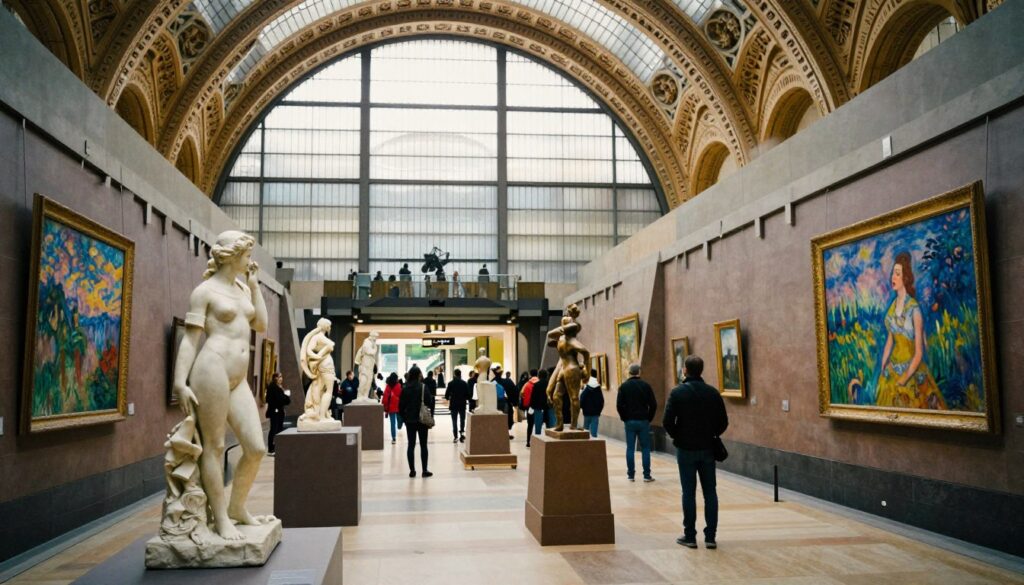
I’ll let you in on a little secret: the Musée d’Orsay is actually my favorite Paris museum, and it all starts with the building itself. This gorgeous Beaux-Arts railway station from 1900 was transformed in the 1980s into one of the world’s most breathtaking art spaces.
Inside, you’ll find a treasure trove of impressionist and post-impressionist art. The collection features Monet’s vibrant brushstrokes, Van Gogh’s haunting portraits, and Renoir’s luminous scenes. Each painting feels alive under the natural light flooding through the massive glass ceiling.
The building’s design is a masterpiece itself. That iconic clock window overlooking the Seine has become one of my favorite spots in Paris. I’ve spent hours on the upper floors, admiring both the art below and the architectural beauty surrounding me.
| Feature | Musée d’Orsay | Louvre Museum |
|---|---|---|
| Focus Period | 19th-century revolution | Ancient to 19th century |
| Atmosphere | Intimate & focused | Vast & comprehensive |
| Best For | Impressionist painting | Historical breadth |
| Visitor Experience | Less crowded | Often very busy |
Beyond paintings, you’ll discover sculptures and decorative arts that complete the picture of 19th-century innovation. The atmosphere feels more manageable than the Louvre—you can actually appreciate individual works without fighting crowds.
Majestic Versailles Palace and Royal Grandeur
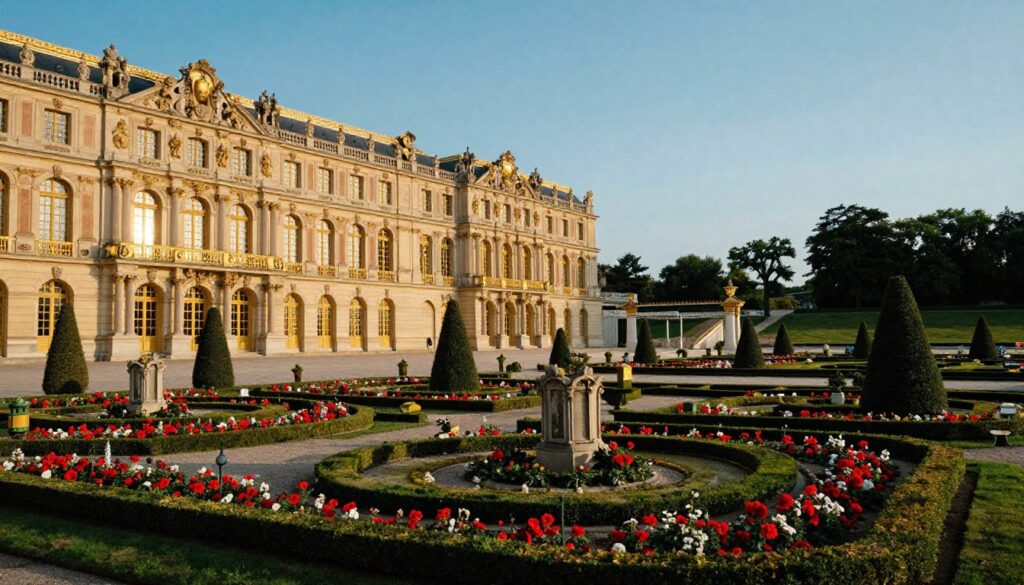
Nothing quite prepares you for the sheer scale of Versailles—it’s a world unto itself just outside Paris. Taking this day trip feels like stepping into a different century altogether.
The journey from Paris is surprisingly easy. You can hop on a train for about €4 each way, or join a guided tour with pickup service. I opted for the latter on my last visit and the guide‘s insights transformed the experience.
Walking through the palace versailles grounds, you’re immediately struck by the extravagance. Every corner reflects Louis XIV’s vision—from the hunting lodge he transformed into this magnificent palace versailles over many years.
The Hall of Mirrors absolutely took my breath away. This 73-meter gallery with 357 mirrors stretches along the entire floor, reflecting light from the massive windows. It’s where the Treaty of Versailles was signed years after World War I.
Don’t miss Marie Antoinette’s charming hamlet, built in 1783. This adorable village feels both whimsical and strangely prophetic given the french revolution that followed just years later.
The gardens could easily fill an entire day themselves. Fountains and sculptures dot the manicured landscapes that seem to stretch forever. Book timed tickets in advance for both palace and gardens—this trip deserves at least half a day to appreciate fully.
Whether you explore independently or with a tour, the history here is palpable. It’s a fascinating glimpse into a world of royal excess that shaped France’s destiny.
Enchanting Monet’s Gardens in Giverny
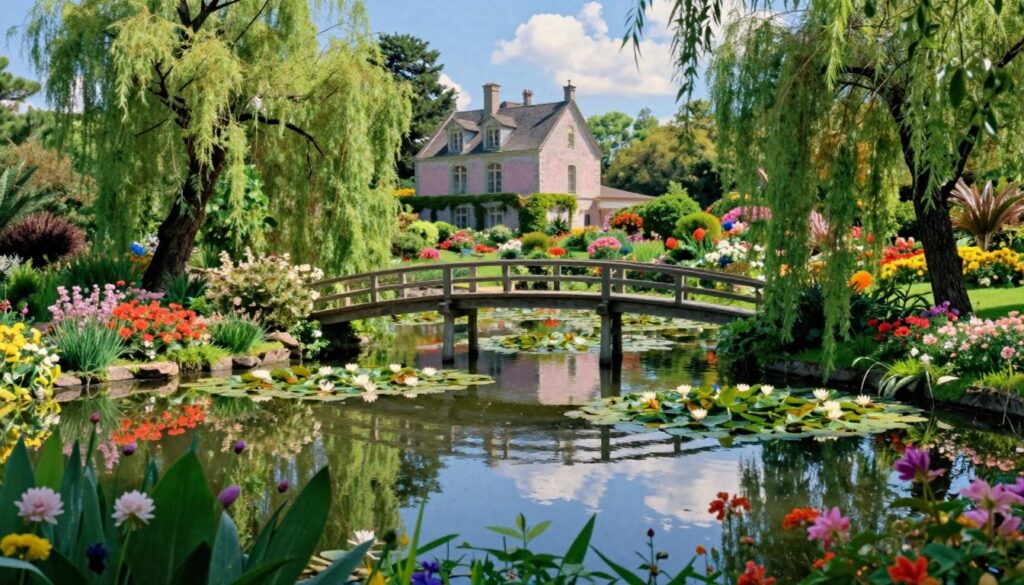
I never understood Monet’s obsession with his garden until I visited Giverny myself and saw how every flower bed was a living canvas. This magical day trip transports you about 50 miles northwest to the Normandy village where the artist lived for decades.
When you arrive, you quickly realize Monet was a gardener first and painter second. He meticulously designed every view and color combination to create living art that inspired his iconic water lily series.
The Japanese Bridge in the Water Garden is absolutely breathtaking—draped with wisteria and reflecting in the pond below. It’s the exact spot you’ve seen in countless paintings, and worth the trip alone.
The Flower Garden explodes with seasonal color—tulips in spring, roses in summer. These vibrant layers show Monet’s genius for composition extended far beyond the canvas.
You can take a train from Paris to Vernon, then catch a shuttle to Giverny. This gives you flexibility to spend as much time as you want wandering the grounds.
I recommend skip-the-line tickets with a guide who can explain Monet’s artistic process. They point out design details you’d miss wandering solo, adding so much depth to the experience.
Full-day tours bundle Giverny with Versailles, but that makes for a long day. I’d rather give each place the time it deserves to truly soak in the beauty.
Breathtaking Sainte Chapelle: Gothic Splendor
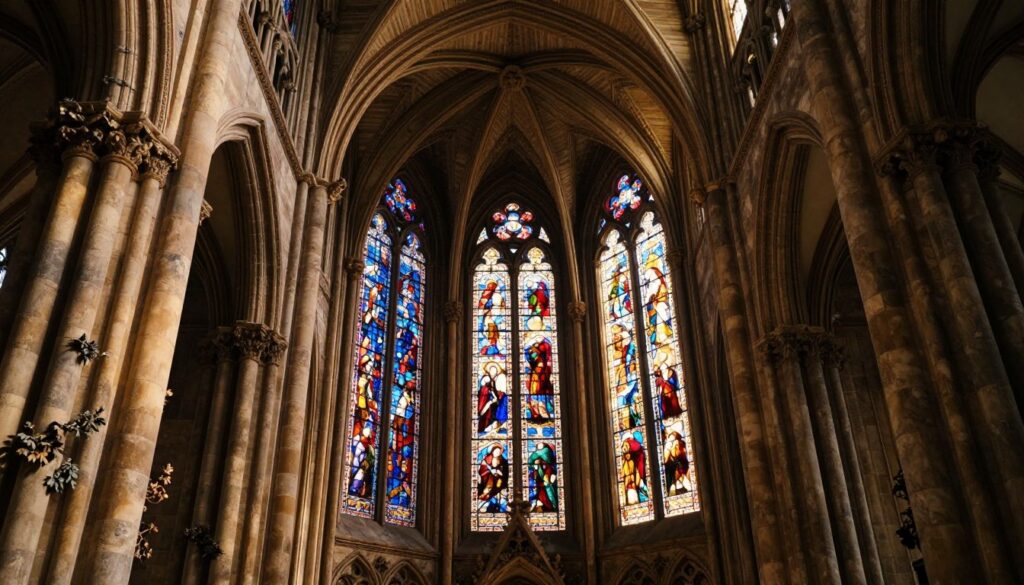
I almost skipped Sainte-Chapelle on my first Paris trip, and that would have been my biggest mistake. Tucked away on Île de la Cité, this chapel feels like a hidden gem despite being one of the city’s most spectacular sites.
What makes this place absolutely breathtaking is the floor-to-ceiling stained glass. The chapel displays one of the world’s most extensive 13th-century glass collections. Sunlight filtering through creates an ethereal glow.
The soaring nave and delicate rose windows showcase Gothic architecture at its finest. Medieval craftsmen pushed boundaries with this incredible design, creating walls of light rather than stone.
The chapel’s history dates back to the 1200s. It was built to house precious Christian relics like the Crown of Thorns. This explains the extraordinary artistic effort poured into every detail.
| Feature | Sainte-Chapelle | Notre-Dame | Sacré-Cœur |
|---|---|---|---|
| Stained Glass | Extensive collection | Rose windows | Limited glass |
| Architectural Style | Rayonnant Gothic | French Gothic | Roman-Byzantine |
| Visitor Experience | Intimate & luminous | Grand scale | Panoramic views |
| Best Visit Time | Sunny afternoon | Morning hours | Sunset |
“The true work of art is but a shadow of the divine perfection.” — Michelangelo
Most visitors rush to Notre-Dame and miss this treasure just a short walk away. Visiting on a sunny day transforms the experience completely. The light show created by those ancient windows is something photographs can’t capture.
Time your visit for maximum impact. This genuinely stunning religious space deserves more attention than it typically receives.
Mysterious Paris Catacombs Exploration
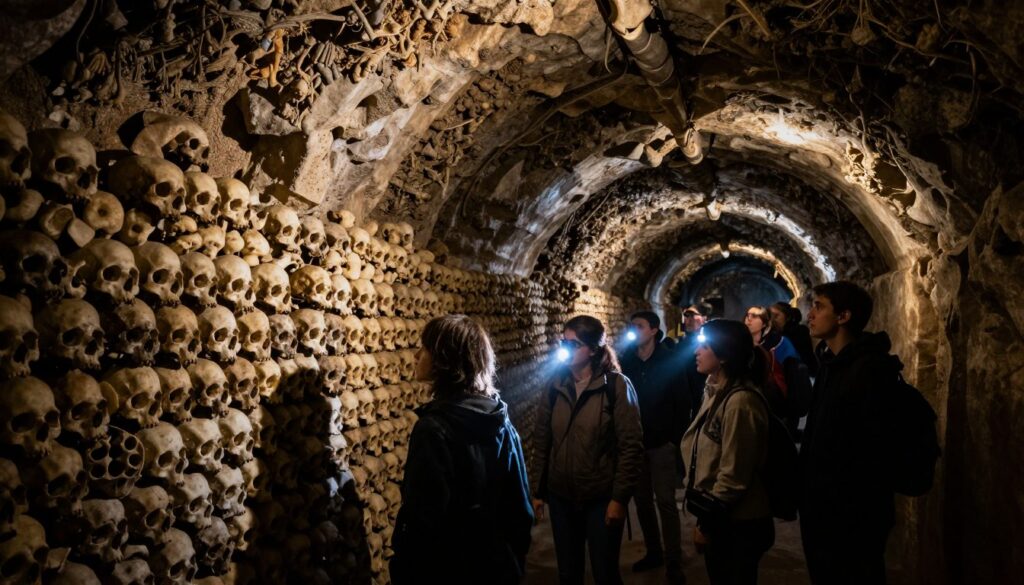
I’ve always been fascinated by underground spaces, and the Paris Catacombs represent one of the most profound historical experiences available. This isn’t for everyone—the narrow passages and dim lighting create an eerie atmosphere. But if you’re curious about the city’s darker side, it offers a perspective you won’t find anywhere else in the world.
Descending 20 meters below street level, you encounter bones arranged with strange artistry. Skulls form circular patterns alongside neatly stacked femurs and tibias. These remains belong to approximately six million people relocated here starting in the 1700s when cemeteries overflowed.
I haven’t visited these specific catacombs yet, but my experience in Santiago, Chile taught me something important. Rather than feeling scary, these spaces feel profoundly respectful—history preserved in the most direct way possible.
The tour takes about 45 minutes through carefully maintained tunnels. They limit how many people enter at once, so booking tickets in advance is essential. This tour perfectly suits anyone interested in archaeology or unconventional Paris experiences.
You can even bundle catacombs tickets with a Seine River cruise. The contrast between underground solemnity and surface beauty captures Paris’s full emotional spectrum.
Relaxing Moments at Jardin du Luxembourg
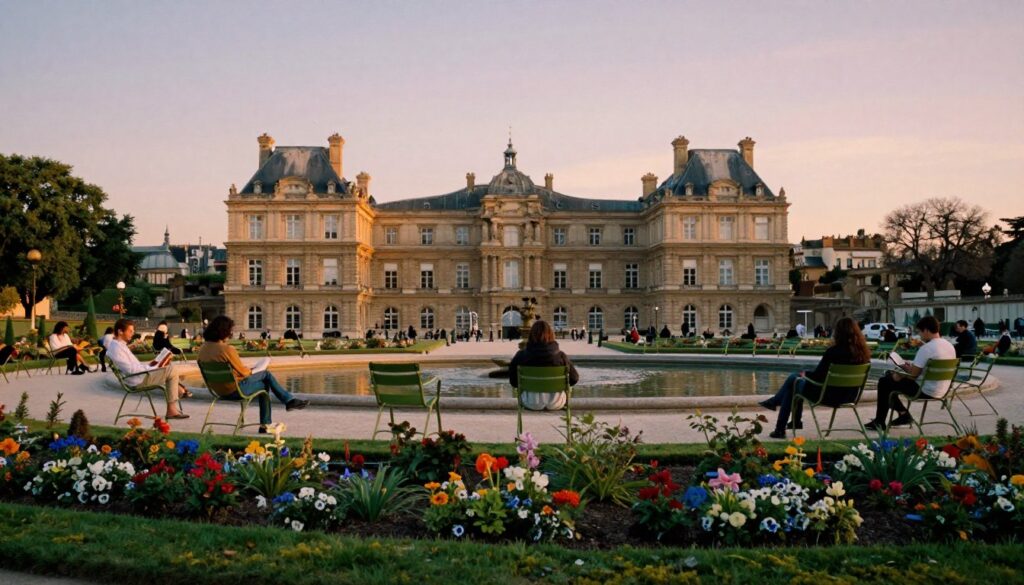
Amidst the whirlwind of Parisian sightseeing, I found my perfect sanctuary in the 23-hectare oasis of Jardin du Luxembourg. This gorgeous green space provides the ideal escape when you need a break from rushing between monuments.
I love that this special place is completely free to visit. You’ll discover manicured lawns, vibrant flowerbeds, and picturesque ponds surrounded by over 100 statues. There’s even an original replica of the Statue of Liberty hidden among the greenery.
The gardens offer shaded pathways where you can stroll beneath ancient trees. Find one of the iconic green chairs and just watch people enjoying their city. Locals jog along the paths while others read books or play chess.
This is my favorite spot for a picnic in Paris. Grab some cheese, bread, and wine from a nearby market. Claim a spot by the fountain and spend a leisurely afternoon soaking in the peaceful atmosphere.
The gardens date back to the 1600s, inspired by Florence’s Boboli Gardens. That historical design creates a sense of harmony that makes spending time here feel restorative. You’ll see kids sailing toy boats in the central pond and visitors from around the world enjoying this democratic green space.
Whether you need a romantic spot or just somewhere beautiful to sit, the Luxembourg Gardens deliver that quintessential Paris moment without costing a single euro.
Scenic Canal Saint-Martin & Le Marais Walks
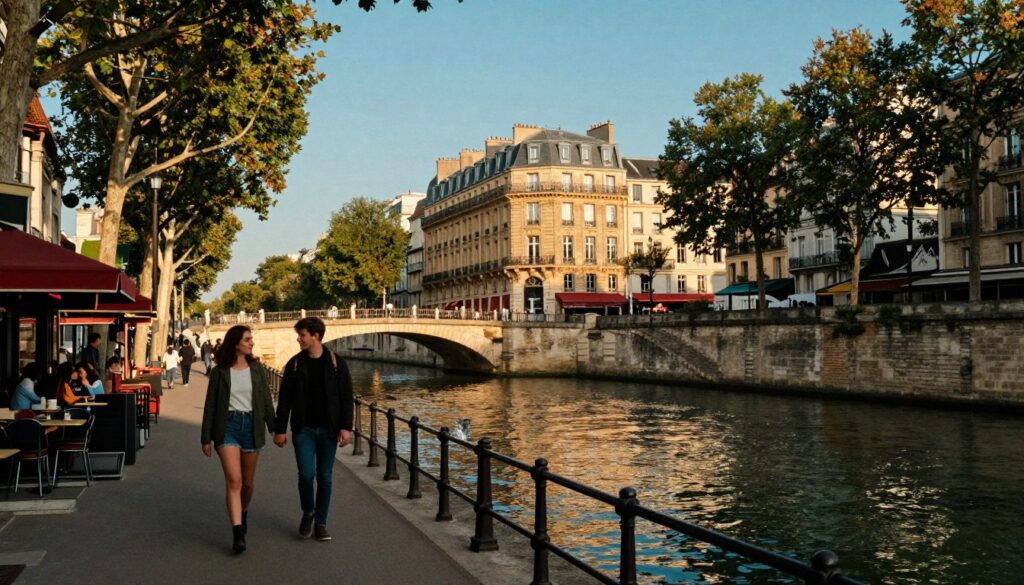
I stumbled upon Canal Saint-Martin by accident years ago, and it instantly became my go-to escape from tourist crowds. This hidden gem in the 10th arrondissement feels like a different world—tranquil waters lined with leafy trees and historic buildings create the perfect backdrop for leisurely strolls.
The canal boat ride offers a fascinating way to experience this special place. Gliding past boutiques and galleries, then disappearing underground through old tunnels—it gives you a completely different perspective on the city. The bohemian vibe along the banks makes for incredible photos and authentic people-watching.
Just a short walk away, Le Marais captures my heart every time. Its narrow cobblestone streets in the 3rd and 4th arrondissements blend medieval charm with contemporary culture. Place des Vosges, the oldest planned square in Paris, offers symmetrical architecture surrounding a peaceful garden perfect for resting.
Every corner here tells a story. Hidden courtyards reveal themselves unexpectedly, while bustling markets offer artisanal treats. Both areas provide that authentic Parisian experience where you explore at your own pace. They’re incredibly photogenic—ideal for capturing memorable photos of your journey.
Uncovering Local Gems and Off-the-Beaten-Track Spots
Beyond the famous landmarks lies a Paris that feels more intimate and personal to discover. These hidden corners deliver the most memorable experiences you won’t find in every travel post.
I love escaping to Musée Rodin’s sculpture gardens. Seeing The Thinker amid rose gardens creates a tranquil retreat from the bustling city. It’s world-class art in a peaceful setting.
Père Lachaise Cemetery might sound unusual, but wandering among Oscar Wilde’s and Jim Morrison’s graves feels strangely beautiful. The monuments tell centuries of stories.
Shakespeare and Company bookstore transports you to literary history. The original shop closed during world war II, but this sanctuary continues inspiring writers today.
For incredible views, Montparnasse Tower’s observation deck offers the top perspective of the Eiffel Tower at night. It’s less crowded than the arc triomphe but just as breathtaking.
The bouquinistes along the Seine have sold vintage books for 300 years. Finding treasures here feels like uncovering pieces of Parisian soul. Each green box holds history waiting for your next visit.
Conclusion
Looking back on all these incredible experiences, what stands out most isn’t any single landmark but the feeling of discovery that Paris offers. This city truly has something for every traveler.
My biggest advice? Don’t try to see every single thing. Choose the top spots that genuinely interest you and leave room for spontaneous moments. Those often become your favorite memories.
Whether you’re exploring museums, cruising the Seine at night, or simply sitting at a café, Paris rewards those who take their time. The practical tips about tickets and passes will help you make the most of your visit.
From world-class art to hidden gardens, the range of things to experience reflects centuries of creativity. I hope this guide helps you create an itinerary that balances famous attractions with personal discoveries.
Remember—Paris is always waiting to share its magic with those willing to explore.
FAQ
What’s the best way to get tickets for the Eiffel Tower?
I always recommend booking your tickets online, directly from the official website, weeks in advance. The lines can be incredibly long, and pre-booking saves you hours. For a real treat, consider a ticket that includes access to the top floor for those breathtaking panoramic views of the city.
How much time should I plan for a visit to the Louvre Museum?
Honestly, you could spend days there! But for a first-time visit, I’d suggest a solid 3 to 4 hours. That gives you enough time to see the absolute must-sees like the Mona Lisa and the Venus de Milo without feeling completely overwhelmed by the massive collection of paintings and art.
Is it possible to climb the stairs to the Arc de Triomphe?
A> Yes, it is! There are 284 steps to the rooftop terrace. While there is an elevator, it’s primarily for visitors with reduced mobility. I think the climb is part of the fun and makes the incredible view of the Champs-Élysées and the city that much more rewarding.
What’s the best time of day to take a Seine River cruise?
My personal favorite is just before sunset. You get to see the city in the beautiful golden hour light, and then watch as the lights come on, especially the Eiffel Tower’s sparkling display. A night tour is also magical and offers a completely different, romantic perspective.
Do I need to buy tickets in advance for the Palace of Versailles?
Absolutely, 100% yes. This is one place where skipping the line is essential. The palace is one of the world’s top attractions and gets extremely crowded. Booking your ticket online ahead of your trip will save you from waiting in a very long queue and ensure you get to explore the Hall of Mirrors.
How long does it take to get to Monet’s Gardens in Giverny from Paris?
The trip usually takes about an hour by train from Paris’s Gare Saint-Lazare station to Vernon, followed by a short shuttle bus or a pleasant walk to the gardens. It’s a perfect day trip if you love art and want to see the water lilies and Japanese bridge that inspired his famous paintings.